Understanding Corporate Video Pricing
Creating a compelling corporate video is an essential component of modern business communication. However, understanding the factors that influence the overall cost is crucial for planning and budgeting effectively. Corporate video pricing can vary significantly based on various elements, including the scope of the project, production quality, and specific client requirements. Typically, the cost for a professionally produced corporate video ranges from a few thousand dollars to tens of thousands, depending on complexity.
Basic corporate videos, such as a simple promotional clip or introductory message, tend to fall within the lower end of the spectrum. These projects might range from $3,000 to $10,000 and usually require minimal locations, crew, and post-production work. On the other hand, high-end corporate videos, including those involving multiple locations, special effects, or extensive scripting, can range upwards of $20,000 or more. It is essential for clients to understand what elements contribute to these costs to make informed decisions aligned with their organizational goals.

Factors That Influence Corporate Video Cost
Several key factors determine the final price of a corporate video. These include the project's scope, production quality, team expertise, and additional features tailored to the client’s needs. Clear communication of project goals with a professional production team can help accurately estimate costs and identify the most cost-effective solutions without compromising quality.
Key Factors Affecting Video Production Cost
Understanding the primary elements that influence the overall expense of corporate video production is essential for accurate budgeting. The length of the video plays a significant role; longer videos naturally require more filming days, extended editing sessions, and increased post-production work, which all contribute to higher costs. Complexity is another critical aspect—concepts involving intricate animations, special effects, or multi-camera setups necessitate specialized equipment and skilled personnel, elevating the project’s price.
Location choices also impact costs substantially. Filming on multiple sites or in high-demand areas can escalate expenses due to logistical arrangements, permits, and transportation. Additionally, the talent involved, whether professional actors, voice-over artists, or corporate spokespeople, influences budget considerations. High-caliber talent often demands higher fees, aligning with the professional standards expected in corporate communications.
Pre-Production Expenses
Pre-production lays the groundwork for any successful corporate video. Activities encompass scripting, storyboarding, location scouting, casting, and planning logistics. Developing a comprehensive concept and script requires strategic input and collaboration, which incurs consulting fees or creative development costs. Securing necessary permits, scheduling shoots, and arranging equipment also contribute to upfront expenses, ensuring a smooth production process.
Production Costs Breakdown
During the filming phase, costs involve crew wages, including directors, camera operators, lighting technicians, and sound engineers. Equipment rentals, such as cameras, lighting, and stabilizers, form a significant part of this budget. If the project involves multiple shooting days or complex setups, the expenses increase correspondingly. Additional costs may include travel, lodging, and site-specific equipment needs, especially for location shoots outside the primary base of operations.
Post-Production and Editing Fees
Post-production encompasses video editing, color correction, sound design, and visual effects. Skilled editors and post-production specialists are often compensated based on the complexity and length of the footage. Incorporating branding elements, syncing audio, and adding motion graphics or animations further elevate costs. The timeline for editing can influence expenses; expedited delivery options typically carry premium charges. Upgrading footage quality or including voice-over recordings are additional factors within this phase.
Additional Expenses and Custom Features
Custom features that enhance the final product, such as animated infographics, drone footage, or 3D visualizations, contribute to the overall cost. Licensing fees for licensed music or stock footage can also be integral to a polished corporate video. Moreover, if the project involves multiple language versions or subtitles, these elements add to the budget. Clients should anticipate potential costs associated with special effects, unique branding, or interactive elements that align with their marketing strategy.
Budgeting Tips for Corporate Videos
Establishing a realistic budget involves aligning project scope with organizational goals, prioritizing impactful elements over extras. Communicate clearly with the production team to understand which features are essential versus optional, allowing for cost-effective adjustments without sacrificing quality. It's advisable to allocate contingency funds—typically 10-15% of the total budget—to accommodate unforeseen expenses that may arise during production or post-production stages.
Choosing a Miami Video Production Agency
Selecting the right agency in Miami involves more than just comparing quotes; it requires evaluating experience, portfolio quality, and client testimonials. A seasoned agency should provide transparent cost estimates and a detailed breakdown of what each expense covers. Local knowledge is invaluable for navigating permits and location options efficiently, potentially reducing costs. Emphasize agencies that demonstrate strong attention to detail, consistent communication, and a commitment to delivering projects that meet professional standards and organizational aspirations.
Pre-Production Expenses
Pre-production constitutes the foundational phase of corporate video creation, encompassing several essential activities that set the stage for a smooth shooting process. At this stage, costs generally include conceptualization, scripting, storyboarding, and detailed planning of every scene. Engaging stakeholders early ensures the video's objectives are aligned with organizational messaging, reducing the risk of costly revisions later.
Scriptwriting is vital for delivering clear, compelling narratives that resonate with viewers. Professional scriptwriters or creative teams develop the storyline, key messages, and tone, which influence the video's overall effectiveness. Storyboarding follows, visually mapping out scenes to facilitate smooth production execution and avoid misunderstandings on set. This planning tool often involves artist sketches or digital illustrations, with associated costs depending on complexity.
Logistics planning is another integral component. It includes securing permits, scouting locations, and arranging equipment and talent. If the production involves actors, presenters, or voice-over artists, their fees are part of the pre-production budget. Additionally, costs for equipment rentals during pre-shoot rehearsals or meetings should be considered. Clear and thorough planning minimizes unforeseen expenses during shooting, making it a crucial cost element that often accounts for a significant portion of the initial investment.

Production Costs Breakdown
The production phase involves capturing footage according to the predefined script and storyboard. Major cost components during this stage include equipment rentals, crew wages, location fees, and on-site logistical expenses. Equipment costs vary based on camera quality, lighting, and audio gear—higher-end equipment delivers better results but also increases the budget.
Crew wages encompass directors, cinematographers, camera operators, sound technicians, and production assistants. The complexity of scenes, special effects, or stunt work can significantly influence labor costs. Location fees depend on the complexity and popularity of shooting sites; securing exclusive access or permits can increase expenses but also enhance the video's professionalism.
Additional expenses such as set design, costumes, props, and on-site catering for crew members can inflate the overall production costs. Weather-related adaptations or emergency contingencies should be budgeted for, especially in outdoor environments. Efficient planning and clear communication with vendors help control these costs, ensuring the project stays within financial expectations.

Post-Production and Editing Fees
Post-production processing is where raw footage transforms into a polished corporate video. Editing involves cutting footage, integrating graphics, sound design, color correction, and adding music or voice-overs. Skilled editors and post-production specialists are necessary for achieving a professional look, and their hourly rates can vary significantly depending on expertise and project scope.
GFX and animation are often included to visualize complex ideas or data, which can considerably increase post-production costs. Licensing fees for stock footage or licensed music played during editing need to be factored in, as they contribute to the overall expense. Additionally, revisions and multiple editing rounds can extend timelines and budgets, so clear finalization of the project scope is essential from the outset.
Additional Expenses and Custom Features
Beyond core production and post-production costs, organizations should account for unique features that elevate their corporate videos. These include custom animations, on-screen text overlays, interactive elements, or multilingual versions. Each enhancement carries additional costs related to specialized software, voice talents, translation, and subtitling services.
Special effects or bespoke branding elements, such as animated logos or tailored intro/outro sequences, also contribute to producing a distinctive visual identity. For videos intended for digital platforms, considerations like responsive design or interactive hotspots may necessitate additional development, adding to the overall expenditure.
Equipment upgrades or the use of cutting-edge filming technology—such as drones, 4K cameras, or steadicams—can boost production quality but require higher investment. It's crucial to plan these elements during budgeting to avoid unexpected financial shortfalls and ensure the final product aligns with organizational branding and strategic goals.
Understanding Corporate Video Pricing
Corporate video costs can vary significantly depending on multiple factors that influence the scope and quality of the final product. Pricing is typically determined by the complexity of the project, the level of professional expertise required, and the specific features or enhancements desired. To establish a realistic budget, it’s essential to understand the key components that contribute to the overall expense, from initial conception through final delivery.
Key Factors Affecting Video Production Cost
Several critical elements can either elevate or streamline the pricing of a corporate video. Recognizing these will help organizations allocate resources effectively and make informed decisions during the planning stages. These factors include the extent of pre-production planning, the nature of on-location shoots, the complexity of post-production editing, and any additional custom features or technology integrations.
Pre-Production Expenses
Pre-production is a foundational phase that involves scripting, storyboarding, casting, location scouting, and obtaining necessary permits. The depth and detail of these activities directly impact the budget. For instance, a project that requires extensive scripting, multiple locations, or specialized talents will incur higher costs. Additionally, any research conducted during this phase to align the video’s message with organizational branding or specific audience preferences should be factored into the initial quote.
Production Costs Breakdown
The filming stage encompasses expenses for equipment, crew, set design, and location fees. High-end gear such as 4K cameras, drones, and stabilizers improve production quality but increase costs. Hiring experienced crew members—cameramen, directors, lighting technicians—also affects the budget. If the shoot occurs on-location, costs for permits, transportation, accommodations, and broader logistics need to be incorporated. It’s crucial to balance technological needs with budget constraints to achieve a professional result without overspending.
Post-Production and Editing Fees
Post-production is where raw footage transforms into a polished final product. Costs here include editing, sound design, color correction, motion graphics, and visual effects if necessary. The number of editing rounds and revisions can influence project timelines and expenses. For videos with complex visual enhancements or animations, specialized software licenses and skilled editors may be required, thereby raising costs.
Additional Expenses and Custom Features
Customized visual and interactive elements introduce additional costs but significantly enhance engagement and brand consistency. These might involve creating animated logos, branded intros or outros, interactive hotspots, or multilingual versions. Such features demand specialized skills, software, and sometimes voice talent or translation services. For digital dissemination, responsive design considerations and embedded interactive features can also extend the budget, ensuring the video performs optimally across various platforms.
Budgeting Tips for Corporate Videos
When planning for a corporate video, transparency in your priorities is vital. It’s advisable to establish a clear scope and be specific about non-negotiable features versus optional enhancements. Creating a tiered approach can help allocate funds toward core elements first, with additional features added as budget permits. Request detailed quotes from multiple providers to understand the breakdown of costs thoroughly. Remember to account for unforeseen contingencies by setting aside a percentage of the total budget, typically 10-15%, to manage unexpected expenses effectively.
Choosing a Miami Video Production Agency
Selecting an experienced local agency ensures the production process is aligned with regional parameters and market nuances. Miami-based video producers often bring valuable insight into local branding, venues, and regulatory requirements, facilitating smoother project execution. Look for agencies with a robust portfolio, client testimonials, and transparent pricing models. Additionally, an agency’s ability to incorporate custom features, technology, and branding elements within your budget guarantees that the final product meets strategic objectives while remaining financially feasible.
Additional Expenses and Custom Features
Beyond the core production and post-production costs, organizations should account for supplementary expenses that can influence the total corporate video cost. Custom features such as motion graphics, animations, and visual effects significantly enhance the visual appeal and clarity of the message but require additional resources and specialized expertise. These enhancements often involve separate fees, which vary depending on complexity and duration. For instance, intricate animations or 3D modeling can substantially increase expenses but deliver a more engaging and professional-looking final product.
Incorporating branded visual elements like logos, corporate colors, and standardized fonts also incurs additional costs if they need to be created from scratch or adapted for different media formats. Moreover, voice-over recordings, subtitles, or translations involve further investment, especially if multiple languages are involved. High-quality sound design, including ambient music, sound effects, and audio mastering, should not be overlooked, as they contribute to the overall polished feel of the video.
Equipment and location fees may also factor into expenses when specific technologies or venue rentals are required. For example, drone footage or studio shoots necessitate specialized licenses, permits, and equipment, all of which can influence the overall budget. When planning for custom features, companies should discuss these options extensively with their production partner, ensuring clear understanding of how each element affects costs.

Understanding Corporate Video Pricing
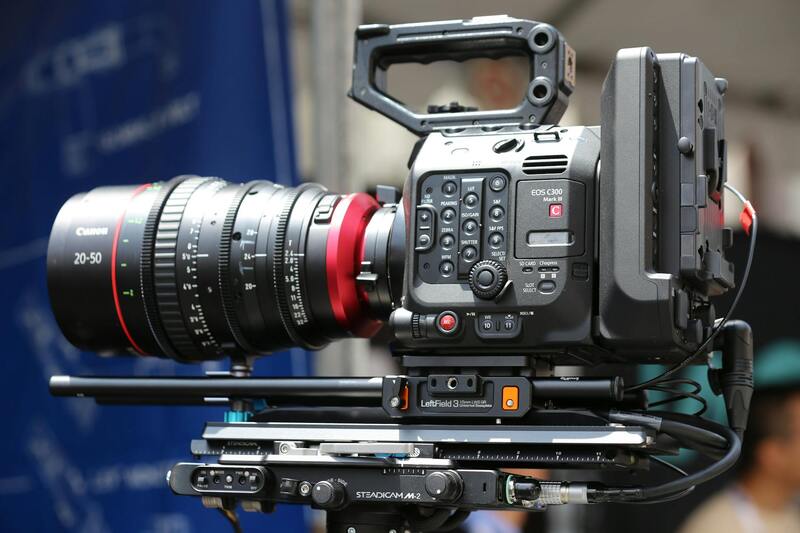
When companies evaluate the investment required for corporate videos, understanding the comprehensive pricing structure is crucial. The costs associated with video production can vary significantly based on several core components, including the scope of the project, the complexity of visuals, and the level of post-production involved. While some standard packages exist, tailored corporate videos often involve a custom quote reflecting specific needs and strategic objectives. Typically, the quote will encompass various categories such as pre-production planning, on-site filming, editing, and additional elements like animations or special effects. Recognizing the breakdown of these expenses ensures businesses allocate budget effectively, avoiding surprises and optimizing return on investment.
Key Factors Affecting Video Production Cost
Several variables influence the overall cost structure of a corporate video, making it essential to evaluate each aspect carefully. These factors include the video's length, complexity, shooting locations, talent requirements, and the level of customization involved. For instance, a brief, straightforward product overview will incur less expense compared to a comprehensive corporate story with multiple locations, guest speakers, and animated sequences. Additionally, the choice of equipment—such as drones for aerial shots or high-end cameras for cinematic quality—can elevate costs. The scope of the project’s visual effects and the degree of post-production editing also play significant roles in determining the final budget. Understanding these elements allows decision-makers to make strategic choices aligned with their financial constraints and overall communication goals.
Pre-Production Expenses
Pre-production constitutes a substantial portion of the total corporate video cost. This phase involves planning, scripting, storyboarding, location scouting, and casting talent if needed. Effective pre-production planning ensures the project progresses smoothly, reducing unforeseen expenses during filming. Costs associated with licensing permits for locations and talent agreements should also be considered at this stage. Investing in thorough pre-production can mitigate risks of costly modifications later, ultimately delivering a more efficient workflow and predictable budget.
Production Costs Breakdown
During the production phase, expenses are primarily driven by personnel, equipment, and logistical needs. Crew members such as camera operators, directors, lighting specialists, and sound technicians are compensated for their expertise. On-location shoots may require rental fees for equipment or venues, as well as transportation and accommodations if filming occurs outside the local area. Additionally, specialized technology like steadicams, green screens, or drones can significantly impact costs. Detailed arrangements and clear communication about production requirements help facilitate a smooth process, ensuring that all necessary resources are allocated appropriately and efficiently.
Post-Production and Editing Fees
Post-production typically accounts for a considerable segment of the overall corporate video cost. This stage involves editing raw footage to craft a coherent narrative, integrating motion graphics, animations, and visual effects if needed. Fine-tuning audio, color correction, and adding music or voiceovers are integral components that contribute to the production's polished appearance. The complexity of these tasks can influence costs; for example, high-quality animation sequences or multilingual subtitles will require additional time and specialized expertise. Collaborating closely with the post-production team ensures that the final product aligns with branding standards and strategic messaging, while also adhering to budget parameters.
Understanding Corporate Video Pricing
Establishing the true cost of a corporate video requires a comprehensive understanding of the various components involved in its creation. Corporate video pricing is not a fixed rate but varies based on multiple factors such as project scope, production complexity, and desired quality. Clients should approach cost estimation holistically, recognizing that high-quality productions often involve detailed planning, specialized equipment, and skilled personnel, all of which influence the overall investment. Transparency in pricing models and clear communication with the production team ensure that clients align their expectations with realistic expenditure estimates, facilitating smoother project execution and optimal resource allocation.
Key Factors Affecting Video Production Cost
Several critical elements determine the final cost of a corporate video. These include the video’s length, complexity, and purpose, as well as the level of innovation and customization involved. Factors such as script development, comprehensive storyboarding, and scenario planning contribute significantly to initial expenses. Additionally, the choice of location, the need for specialized equipment, and the inclusion of advanced visual effects can substantially escalate costs. The scale of talent involved, from professional actors to voiceover artists, also plays a role. Understanding these key factors allows clients to make informed decisions that align with their strategic goals and budget constraints.
Pre-Production Expenses
Pre-production costs encompass all the preparatory work necessary before actual filming begins. This phase involves tasks such as concept development, scriptwriting, storyboarding, and scheduled planning sessions with the client. Securing permits for filming locations, scouting and selecting venues, and casting are additional pre-production activities that carry associated costs. Professional consultations with creative directors and project managers help establish a detailed workflow and timeline, ensuring efficient use of resources. Investing in thorough pre-production planning can prevent costly revisions later, saving time and money in the long run.
Production Costs Breakdown
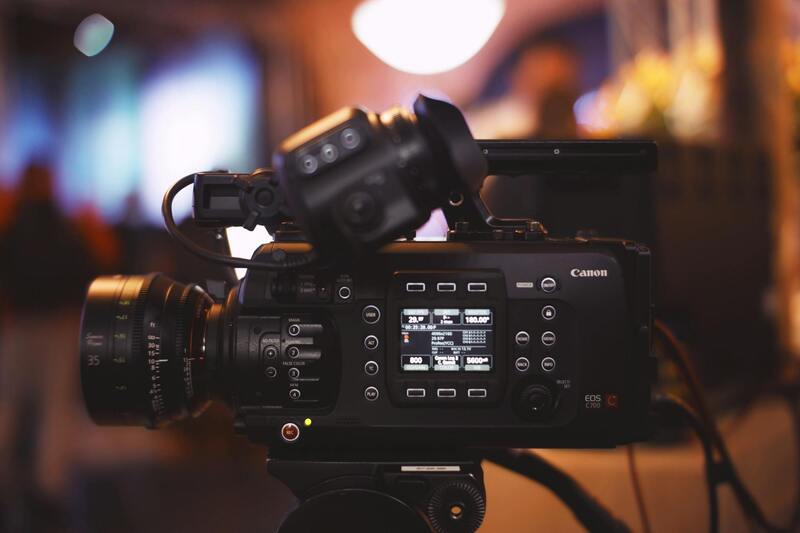
During the production phase, expenses are primarily driven by personnel, equipment, and logistical needs. Crew members such as camera operators, directors, lighting specialists, and sound technicians are compensated for their expertise. On-location shoots may require rental fees for equipment or venues, as well as transportation and accommodations if filming occurs outside the local area. Additionally, specialized technology like steadicams, green screens, or drones can significantly impact costs. Detailed arrangements and clear communication about production requirements help facilitate a smooth process, ensuring that all necessary resources are allocated appropriately and efficiently.
Post-Production and Editing Fees
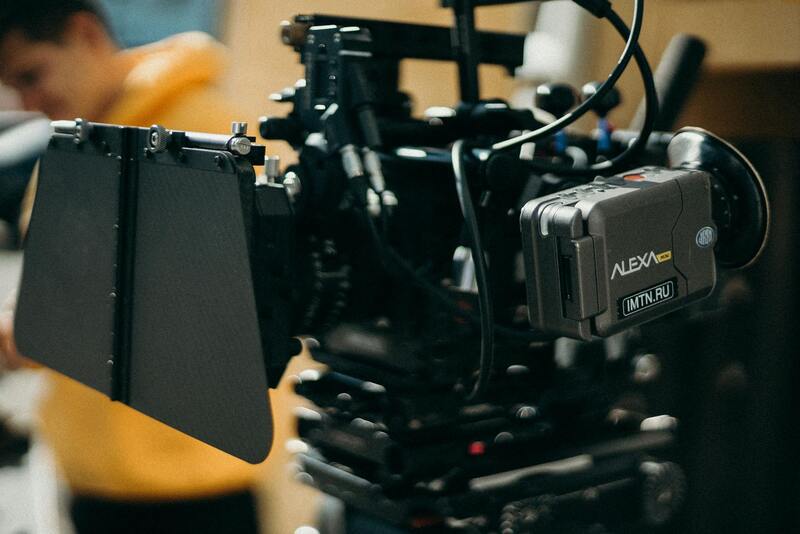
Post-production typically accounts for a considerable segment of the overall corporate video cost. This stage involves editing raw footage to craft a coherent narrative, integrating motion graphics, animations, and visual effects if needed. Fine-tuning audio, color correction, and adding music or voiceovers are integral components that contribute to the production's polished appearance. The complexity of these tasks can influence costs; for example, high-quality animation sequences or multilingual subtitles will require additional time and specialized expertise. Collaborating closely with the post-production team ensures that the final product aligns with branding standards and strategic messaging, while also adhering to budget parameters.
Additional Expenses and Custom Features
Beyond core costs, numerous optional features and customizations can influence the final corporate video expense. These include the creation of tailored animations, overlay graphics, or branded visual effects to enhance engagement and mood. High-end equipment such as motion-control rigs, drone shots, or 4K camera setups may also incur additional charges. Incorporating bespoke elements such as multilingual subtitles, character voice-overs, or on-screen text animations adds complexity and thus, expenses. Clients should discuss these options early in the planning stages to prioritize essential features and avoid budget overruns, while still achieving a visually compelling and effective video product.
Understanding Corporate Video Pricing
Determining the cost of a corporate video involves a comprehensive assessment of various production stages, each contributing to the final budget. From initial concept development through to distribution, each component demands specific resources, expertise, and time. Prices can vary significantly depending on project scope, complexity, and quality expectations. Clear communication with your chosen production team enables accurate budgeting, helping to avoid unexpected expenses while ensuring the final product meets strategic objectives.
Key Factors Affecting Video Production Cost
Several elements directly impact the overall expense of creating a corporate video. These include the scope of the project, the level of creativity required, technical complexity, and timeline constraints. A straightforward, single-camera interview may be more affordable than a multi-camera shoot involving aerial videography or elaborate visual effects. The choice of talent, location fees, and licensing costs for music or stock footage further influence the final price. Understanding these variables allows clients to make informed decisions aligned with their branding goals and available budgets.
Pre-Production Expenses
Pre-production is a vital phase that lays the groundwork for the entire project. Key activities include scripting, storyboarding, planning shot lists, and securing permits or locations. The investment in planning ensures a streamlined shoot and minimizes costly reshoots or delays. This phase often involves meetings with stakeholders to align on messaging, select talent, and determine visual style, all of which contribute to early-stage costs. Detailed pre-production planning can significantly reduce unforeseen expenses during the later stages.
Production Costs Breakdown
During production, costs are driven by equipment rental, crew wages, set or location fees, and logistics. Higher quality equipment, such as 4K cameras or steadicams, can elevate expenses but also enhance visual appeal. Skilled crew members, including directors, cinematographers, and lighting technicians, command professional rates, reflecting their expertise. Additional costs may include transportation, accommodations, and permits if shooting occurs outside standard locations. Efficient scheduling and thorough planning help optimize resource allocation, ultimately controlling costs.
Post-Production and Editing Fees
Post-production typically accounts for a considerable segment of the overall corporate video cost. This stage involves editing raw footage to craft a coherent narrative, integrating motion graphics, animations, and visual effects if needed. Fine-tuning audio, color correction, and adding music or voiceovers are integral components that contribute to the production's polished appearance. The complexity of these tasks can influence costs; for example, high-quality animation sequences or multilingual subtitles will require additional time and specialized expertise. Collaborating closely with the post-production team ensures that the final product aligns with branding standards and strategic messaging, while also adhering to budget parameters.
Additional Expenses and Custom Features
Beyond core costs, numerous optional features and customizations can influence the final corporate video expense. These include the creation of tailored animations, overlay graphics, or branded visual effects to enhance engagement and mood. High-end equipment such as motion-control rigs, drone shots, or 4K camera setups may also incur additional charges. Incorporating bespoke elements such as multilingual subtitles, character voice-overs, or on-screen text animations adds complexity and thus, expenses. Clients should discuss these options early in the planning stages to prioritize essential features and avoid budget overruns, while still achieving a visually compelling and effective video product.
Budgeting Tips for Corporate Videos
- Start with a clear scope and define your essential messaging to ensure targeted expenditure.
- Prioritize high-impact features, such as professional narration or custom animations, that support your strategic goals.
- Collect detailed quotes from reputable production agencies to compare different service offerings and pricing structures.
- Consider the longevity and usage of the content; investing in higher quality might yield greater value over time.
- Plan your timeline to accommodate the shortest feasible production schedule, reducing labor and resource costs.
- Maintain open communication with your production team to manage expectations and control expenses throughout each phase.