Understanding Corporate Promotional Video Production
Corporate promotional video production plays a vital role in modern business communication strategies. These videos are crafted to showcase a company’s brand, values, products, or services to a targeted audience through engaging visual storytelling. The primary goal is to create content that enhances brand visibility, builds credibility, and drives customer engagement, ultimately contributing to growth and sales.
Unlike traditional advertising methods, corporate promotional videos leverage the power of visual narratives to communicate complex ideas quickly and effectively. They serve multiple functions, including onboarding new clients or employees, explaining product features, highlighting company culture, or supporting marketing campaigns. By embodying a company’s identity in a compelling format, these videos foster trust and familiarity among viewers.
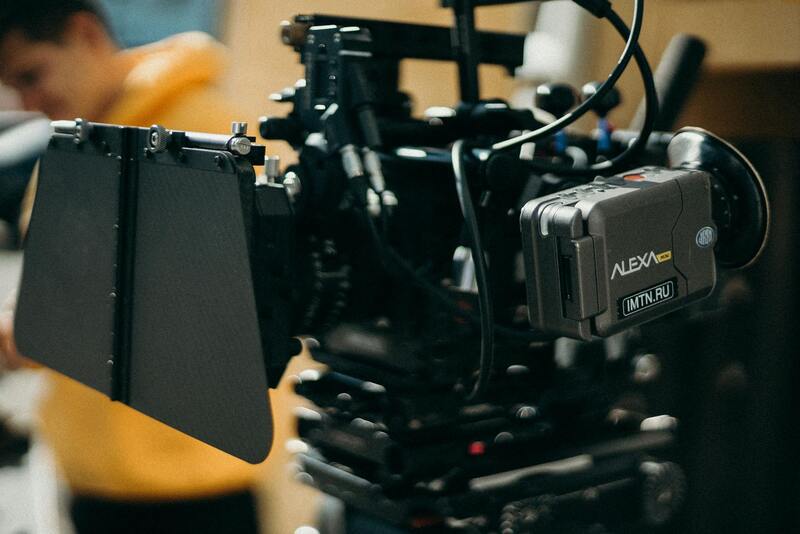
Investing in well-produced corporate promotional videos offers numerous benefits for businesses. These include increased brand recognition, improved customer engagement, and enhanced communication clarity. Additionally, such videos are highly shareable across digital platforms, enabling broader outreach and making them a cost-effective marketing tool. In the competitive Miami business landscape, a professionally crafted corporate video can differentiate a brand from its competitors and create a lasting impression with prospective clients and partners.
Furthermore, corporate videos can be tailored to various formats and platforms—including website integrations, social media campaigns, trade shows, and presentations—allowing a comprehensive approach to brand storytelling. The impact of high-quality visual content can translate into measurable business outcomes by attracting new customers and retaining existing ones through consistent and professional messaging.
Creating an impactful corporate promotional video involves a strategic combination of messaging, production quality, and distribution channels. In Miami’s vibrant and diverse economic environment, partnering with experienced video production professionals can ensure that the final product reflects the company’s unique identity and resonates effectively with the target demographic.
Pre-Production Planning and Strategy
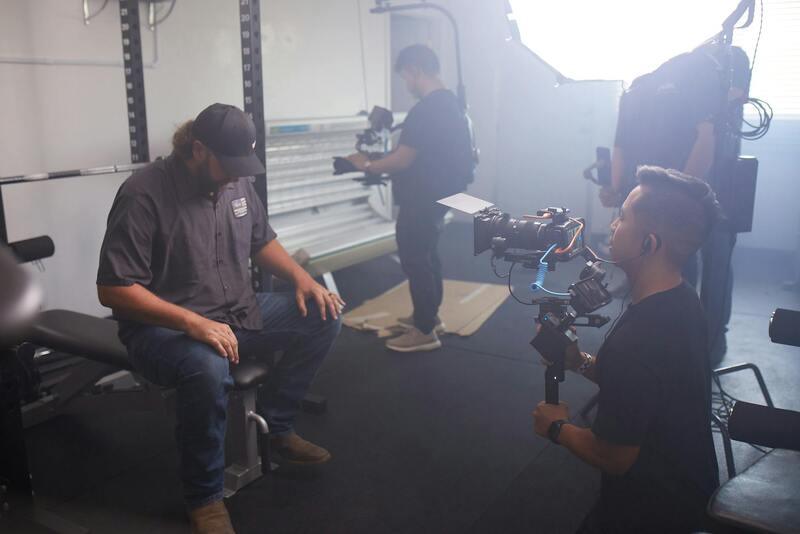
Effective corporate promotional videos begin with meticulous planning and strategic development. This phase involves defining clear objectives that align with broader marketing goals, whether it’s increasing brand awareness, launching a new product, or strengthening customer loyalty. Identifying the target audience is crucial, as it influences the tone, messaging style, and distribution channels of the video. A comprehensive understanding of the demographic, including age, preferences, and online behaviors, ensures that the content resonates authentically.
An integral part of pre-production is scripting. Crafting a compelling narrative that encapsulates the company's values, mission, and unique selling propositions is essential. The script should be concise, engaging, and tailored to capture attention within the first few seconds, especially considering the quick consumption habits prevalent on social media platforms.
Storyboarding follows script development, visually mapping out scenes to visualize the flow and essential shots. This step helps align the creative vision of the production team with the client’s expectations, facilitating efficient shooting schedules and resource allocation. Moreover, selecting suitable locations, casting talent, and determining the necessary equipment are key components of this phase, impacting both the quality and authenticity of the final product.
Budgeting is also established during pre-production, factoring in elements such as crew costs, equipment rentals, permits, and post-production expenses. Establishing a timeline with milestones helps manage the workflow and ensures timely delivery. Engaging with stakeholders throughout this phase guarantees that the strategy remains aligned with overarching business objectives.
Production Process and Key Considerations
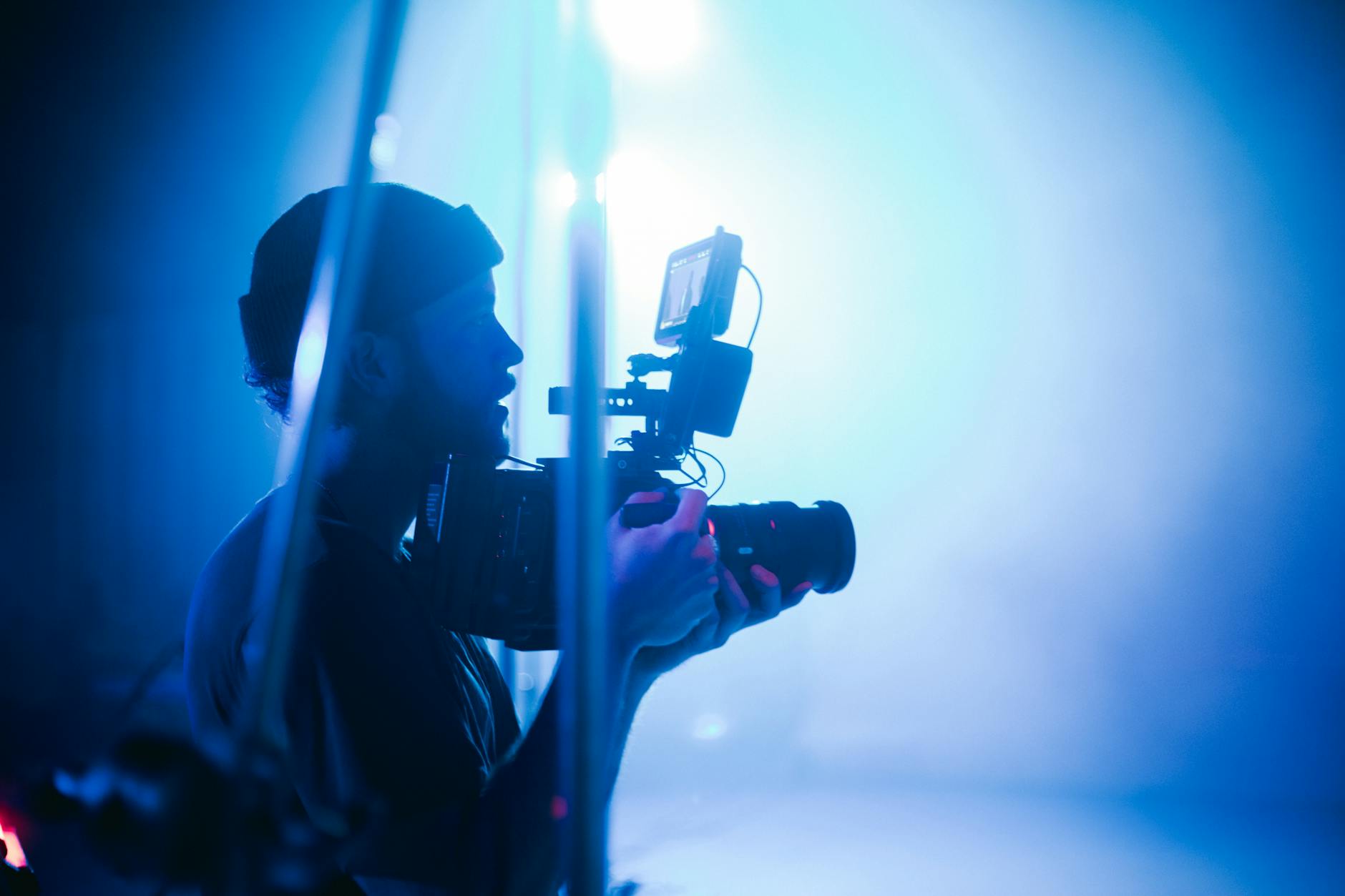
When executing a corporate promotional video, attention to detail during the production phase is essential to ensure the project's success. This stage involves capturing the planned visuals with precision, managing technical aspects, and maintaining creative integrity. Key considerations include selecting optimal filming locations, coordinating talent and crew, and ensuring all equipment functions seamlessly to avoid delays. Effective communication among team members helps translate the scripted vision into compelling visuals, while adaptability allows for adjustments in response to unforeseen challenges.
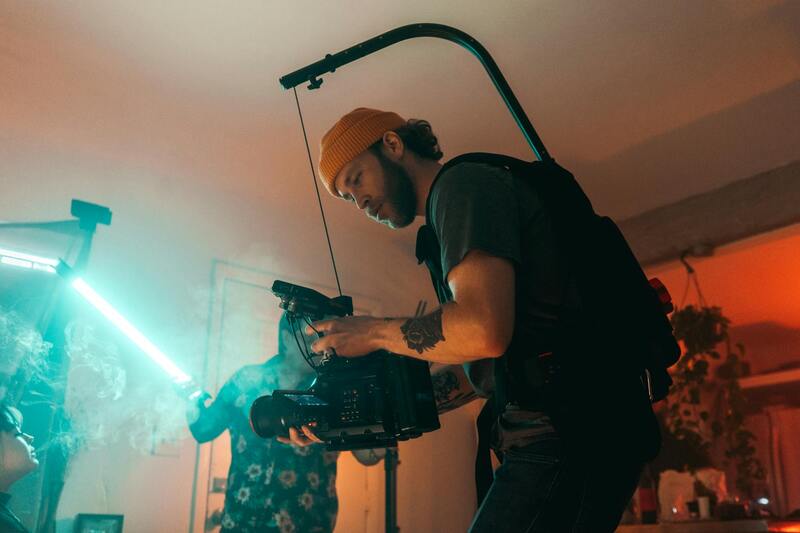
Lighting, sound, camera angles, and framing are critical elements that influence the overall aesthetic and clarity of the video. The choice of lenses and filming techniques can highlight specific messages and evoke the desired emotional response from viewers. Ensuring that all visual assets align with your brand identity maintains consistency and builds trust with your audience.
In addition, post-production considerations—such as editing, color grading, sound design, and visual effects—should be integrated into the production workflow. Effective editing not only enhances the original footage but also reinforces the narrative, ensuring the message is delivered with clarity and impact.
Technical and Creative Factors in Production
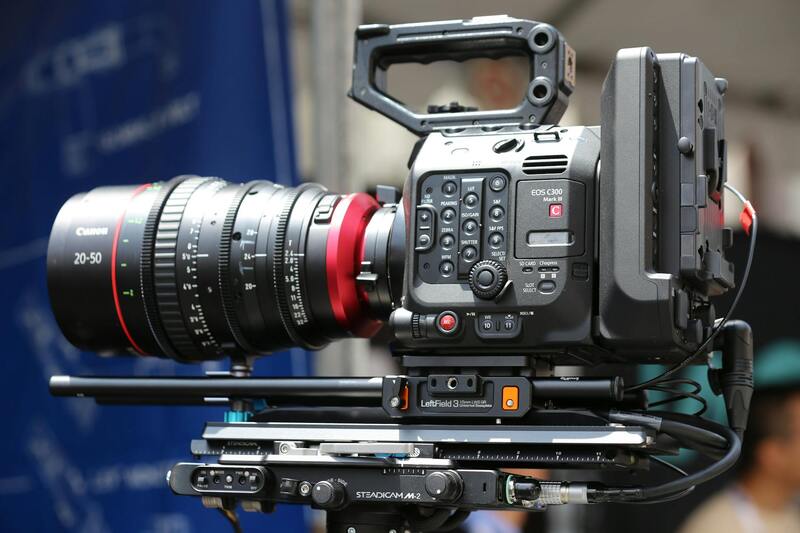
- Filming Equipment: Selecting high-resolution cameras, professional lighting, and quality sound recording gear is imperative for polished output.
- Creative Direction: Adhering to the storyboard and script while allowing flexibility for creative input optimizes storytelling.
- Location Management: Securing permits and coordinating logistics ensure smooth filming sessions, especially in busy Miami areas.
- Talent Coordination: Casting and directing talent to embody brand values and resonate authentically with viewers.
- Timeline and Budget Monitoring: Continuous oversight guarantees project milestones are met without overspending.
Safety and Compliance Considerations
Adhering to safety protocols during filming ensures the well-being of all participants and minimizes risks. Proper licensing and obtaining necessary permits are integral to compliance, especially when filming in public spaces across Miami. Preparing contingency plans and conducting risk assessments further safeguard the project’s progression. Coordinating closely with local authorities and following industry best practices help maintain a smooth production schedule overall.
Understanding Corporate Promotional Video Production
Creating impactful corporate promotional videos requires a comprehensive understanding of professional production techniques, industry standards, and strategic messaging. These videos serve as powerful tools to communicate a company's brand identity, showcase products or services, and build credibility within the target market. The production process combines creative storytelling with advanced technical execution, ensuring that the final product resonates with viewers and effectively supports marketing objectives. A well-crafted corporate promotional video not only draws attention but also fosters emotional connections, prompting viewers to take desirable actions such as engaging with the brand or making purchase decisions.
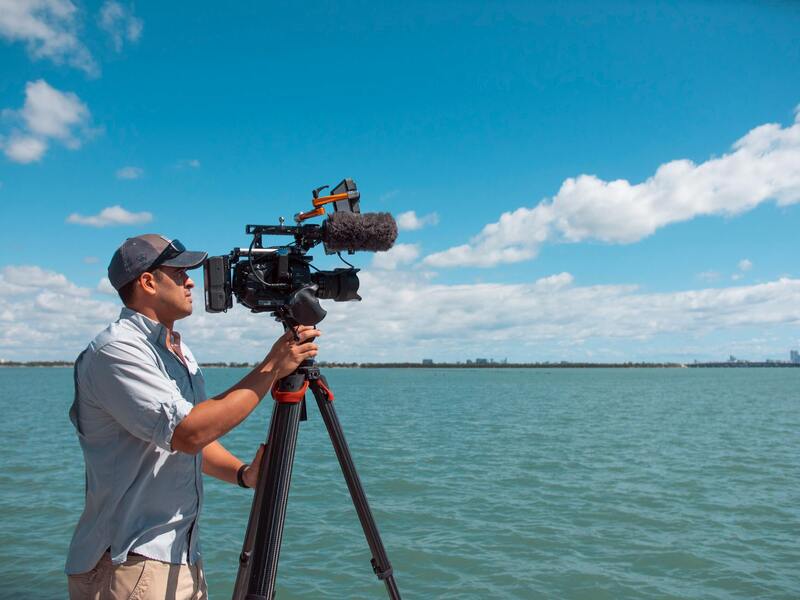
At the core of successful corporate video production lies meticulous planning, skilled execution, and strategic distribution. From conceptualization to post-production refinement, every phase demands a focused approach to ensure consistency, authenticity, and relevance. Industry-leading companies leverage a combination of storytelling expertise, visual artistry, and technical proficiency to produce videos that not only inform but also inspire and motivate their audience. The result is content that enhances brand visibility, supports marketing campaigns, and ultimately drives business growth.
Key Elements of Effective Corporate Promotional Videos
- Clear Messaging: Articulating the core value proposition or key differentiators succinctly and compellingly.
- Engaging Storytelling: Crafting narratives that resonate emotionally with the target audience to foster a lasting impression.
- Professional Visuals and Audio: Utilizing high-quality filming techniques, lighting, sound recording, and post-production effects.
- Brand Consistency: Ensuring visual branding, tone, and messaging align with overall corporate identity.
- Targeted Content: Customizing content to meet specific demographic, geographic, or industry needs in Miami and beyond.
Pre-Production Planning and Strategy
Effective corporate promotional videos commence with comprehensive pre-production planning. This phase involves thorough research to understand the company's goals, target audience, and competitive landscape. Developing a detailed script and storyboard outlines the narrative flow, visual elements, and key messaging points. Precise project timelines, budget considerations, and resource allocations are established early to ensure a smooth workflow. Collaboration between creative teams, marketing departments, and stakeholders ensures alignment on vision and objectives.
In addition, planning logistics such as location scouting, casting, permits, and equipment logistics is essential, especially for Miami-based projects where urban and outdoor environments offer diverse filming opportunities. Strategic planning mitigates risks, minimizes delays, and guarantees that the production process adheres to company standards and local regulations.
Production Process and Key Considerations
The production phase involves translating the storyboard and script into visual content. Skilled cinematographers and directors oversee filming, making real-time creative decisions to enhance storytelling. Ensuring the availability and proper use of industry-standard equipment—including 4K cameras, professional lighting setups, and high-fidelity audio gear—is critical for achieving optimal image and sound quality. During filming, attention to detail in framing, lighting, and actor/direct talent positioning is paramount.
Location management in Miami encompasses obtaining necessary permits, coordinating with local authorities, and navigating logistical challenges unique to urban environments. Safety protocols are rigorously followed to protect cast, crew, and the public, with contingency plans ready to address unforeseen circumstances such as weather disruptions or technical issues. Collaboration among all team members and stakeholders promotes efficiency and product quality.
Post-Production and Distribution
Following the capture of visual and audio content, post-production begins. This phase involves editing footage, color correction, sound design, visual effects, and motion graphics integration. Strategic feedback from clients is incorporated to refine the final cut, ensuring alignment with the brand’s messaging and aesthetic standards. High-resolution outputs are prepared in formats suitable for various platforms, including social media, broadcast, or internal channels.
Distribution strategies are crucial for maximizing the reach and impact of corporate videos. Leveraging multiple channels such as official websites, social media platforms, email marketing, and presentation events enhances visibility. Timing the release of videos to coincide with product launches, campaigns, or corporate milestones amplifies engagement and reinforces brand positioning.
Production Process and Key Considerations
Executing a corporate promotional video involves meticulous planning and technical expertise to ensure the final product accurately reflects the brand’s mission and value proposition. The filming process begins with a detailed shot list derived from the storyboard, allowing the team to capture all necessary footage efficiently. Proper camera operation is essential, with choices in lenses, angles, and movement set to enhance storytelling and viewer engagement.
Lighting is a critical technical aspect, as it influences the mood, clarity, and visual appeal of the footage. Natural lighting conditions are leveraged when appropriate, but studio or external lighting setups are also employed to maintain consistency and highlight specific elements. Audio quality is equally important; professional microphones and sound recording equipment are used to capture clear, distraction-free dialogue, narration, and ambient sounds.
Selection of locations in Miami plays a significant role in project planning. When filming on-site, permissions and permits ensure compliance with local regulations, while understanding logistical challenges helps to minimize disruptions. Safety protocols—such as securing equipment, managing crowd control, and ensuring crew safety—are rigorously enforced to prevent accidents or delays during production.
Throughout filming, it is vital to maintain a clear connection to the brand identity. Visual motifs, color schemes, and messaging cues are integrated into scenes to reinforce the company’s core values and positioning. Collaboration between directors, cinematographers, and brand managers ensures that the narrative effectively resonates with the target audience and aligns with strategic marketing goals.
Post-shoot, the focus shifts to editing and refining the footage. Color grading enhances the visual tone, making the video vibrant and professional. Sound design involves mixing dialogue, music, and sound effects to create an immersive experience that captures audience attention. Visual effects and motion graphics are added when necessary, elevating the overall production quality and supporting storytelling objectives.
Client feedback is a crucial component during editing, allowing adjustments to meet expectations and branding standards. Multiple versions or cuts may be produced to optimize message delivery. Final outputs are prepared in various formats suitable for distribution across digital platforms, television, or corporate presentations, ensuring compatibility with different devices and viewing environments.
Attention to detail during production planning and execution impacts the effectiveness of the promotional video. Maintaining consistent brand messaging, visual coherence, and technical excellence enhances the video’s ability to engage viewers and achieve marketing objectives. Additionally, understanding cultural nuances and local preferences in Miami can help tailor content that resonates more deeply with the regional audience, boosting its overall impact.
Production Process and Key Considerations
In the realm of corporate promotional video production, meticulous attention during the filming phase is critical to ensure a compelling final product. Selecting optimal shooting locations within Miami requires a keen understanding of both logistical aspects and the visual narrative you aim to convey. For instance, urban landscapes, iconic waterfronts, and culturally significant landmarks can serve as dynamic backdrops that highlight your brand’s connection to the local community and environment.
Lighting plays a pivotal role in shaping the video’s visual tone. Utilizing natural daylight during outdoor shoots enhances authenticity, while controlled studio lighting allows for consistency in scenes requiring a polished look. Additionally, capturing high-quality audio during filming is essential; professional microphone setups and soundproofing measures will prevent unwanted noise, ensuring clarity in dialogue and narration.
During production, coordination with a full crew—including directors, camera operators, lighting specialists, and sound engineers—is vital for smooth operations. Clear communication ensures that each scene is captured efficiently and aligns with the storyboard and creative vision. Considerations such as shot composition, camera angles, and movement are integral to creating a visually engaging narrative that commands viewer attention.
Post-production planning should begin concurrently with filming, establishing workflows for editing, color grading, and sound design. It’s important to allocate sufficient time for retrieving raw footage, reviewing takes, and selecting the best shots. Technical quality control throughout filming minimizes the need for extensive revisions later, saving both time and resources.
Another key consideration is compliance with branding standards and messaging consistency. Your production team should integrate branding elements—logos, color schemes, and taglines—seamlessly into the visual content. Moreover, understanding regional cultural sensitivities and local audience preferences is crucial; this awareness helps craft content that resonates authentically, strengthening the connection between your brand and the Miami community.
Legal and Official Methods for Clearances and Permissions
Ensuring that all aspects of a corporate promotional video adhere to official procedures and proper permissions is fundamental to a professional production. This process involves obtaining the necessary clearances before filming begins, which encompass permissions to shoot at specific locations, rights to include third-party content, and the use of recognizable individuals or trademarks. Acquiring these permissions early in the planning phase helps prevent potential disruptions or legal complications that could delay project delivery or impact the final product’s credibility.
To secure location permissions, production teams should coordinate with property owners or managing authorities, providing detailed shoot plans and timelines. Additionally, securing a location release form is vital to establish consent and to clarify the scope of permitted activities. When featuring recognizable landmarks or private properties, formal approval ensures legal compliance and protects both the production company and client from disputes.
Incorporating third-party content, such as copyrighted music, images, or video clips, requires obtaining licensing agreements that specify usage rights and duration. This step guarantees that all media elements integrated into the corporate promotional video are legally authorized for commercial use, maintaining the project’s integrity and avoiding copyright infringements.
For talent appearances, releasing signed consent forms from individuals featured in the video is essential. These forms should outline how their image and voice may be used in promotional materials across various platforms. When including logos or trademarks from other brands, appropriate licensing or permission should be secured to prevent intellectual property conflicts.
Documentation and Record-Keeping
Maintaining meticulous records of permissions, clearances, and licenses is a critical component of official production methodology. These documents should be readily accessible throughout the project lifecycle. Proper documentation not only facilitates smooth post-production processes but also demonstrates adherence to official protocols, which can be useful during audits or if any questions about content rights arise later.
By following these officially recognized procedures, Miami-based businesses and production teams can create high-quality corporate promotional videos that stand out for their professionalism, compliance, and respect for intellectual property rights. Incorporating these steps into the production workflow ensures content integrity and supports the overarching goal of effective, credible brand communication.
Ensuring Legal Compliance in Corporate Promotional Video Production
Adhering to official and recognized methods during the production of corporate promotional videos in Miami involves meticulous attention to documentation, permissions, and licensing. These steps are essential to safeguard the company's brand integrity and prevent potential disputes related to content rights. Every stage—from pre-production to post-release—requires a systematic approach to uphold the highest standards of professional conduct and legality.
Securing Necessary Permissions and Clearances
One of the foundational elements of compliant production is obtaining explicit permissions from all participants featured in the video. This includes talent, staff, or third-party individuals. Signed release forms should clearly specify how their likeness, voice, and performance may be utilized across various platforms. These documents serve as vital records, providing clear evidence of consent and ensuring that the content does not infringe upon personal rights.
Additionally, when incorporating logos, trademarks, or copyrighted material belonging to third parties, it is imperative to secure appropriate licensing agreements or explicit permissions. This practice not only ensures the material can be used without penalty but also preserves the professional reputation of the production team and the client.
Maintaining Accurate Documentation
Robust record-keeping practices form the backbone of official content creation. All permissions, licenses, and correspondence related to content rights should be carefully documented and stored securely. Electronic or physical files should be organized for easy retrieval throughout the production process. This diligence simplifies the management of legal clearances and supports transparency in all transactions.
Adhering to Advertising Guidelines and Industry Standards
Producing content that aligns with established advertising standards is crucial. This includes truthful representation of products or services, avoiding misleading claims, and respecting cultural sensitivities that are particularly relevant in Miami’s diverse socio-economic landscape. Following these guidelines not only enhances credibility but also mitigates risks associated with regulatory scrutiny.
It is advisable for production teams to consult with legal or compliance experts periodically, especially when editing ambiguous or sensitive content. Their expertise can help interpret evolving industry standards and ensure the final product remains within acceptable bounds.
Protection Against Content Disputes
Incorporating official procedures to verify content rights reduces the likelihood of disputes after the promotional video’s release. These procedures include thorough review of all permissions before production begins, final approval stages for content, and audits of licensed materials used in the project. Implementing such measures guarantees that the promotional material is both effective and compliant, fostering trust with stakeholders and audiences alike.
Conclusion
Following officially recognized methods throughout the project lifecycle of corporate promotional videos ensures content authenticity, legal conformity, and brand protection. Miami’s dynamic corporate environment benefits from these practices, which facilitate smooth production processes and uphold the high standards expected by business clients and audiences. Professionalism in the management of permissions, licenses, and documentation is not only a best practice but also a strategic approach to producing impactful and trustworthy corporate promotional content.