Understanding Corporate Branding Videos
Corporate branding videos serve as a powerful visual tool to communicate a company’s values, mission, and unique identity. They are strategic assets designed to create a lasting impression on target audiences, including clients, partners, and stakeholders. By effectively showcasing what sets a company apart, these videos foster brand recognition and build trust within competitive markets. In today’s digital landscape, where visual content dominates, a well-crafted corporate branding video becomes essential for establishing a professional and approachable brand image.
A successful corporate branding video encapsulates a company’s story, culture, and aspirations in a digestible format. They help articulate complex ideas simply and memorably, making them accessible to a broad audience. Through visual storytelling, companies can evoke emotional connections, enhance their reputation, and convey their core message clearly. This type of content not only elevates brand visibility but also supports marketing efforts, sales strategies, and internal communications.
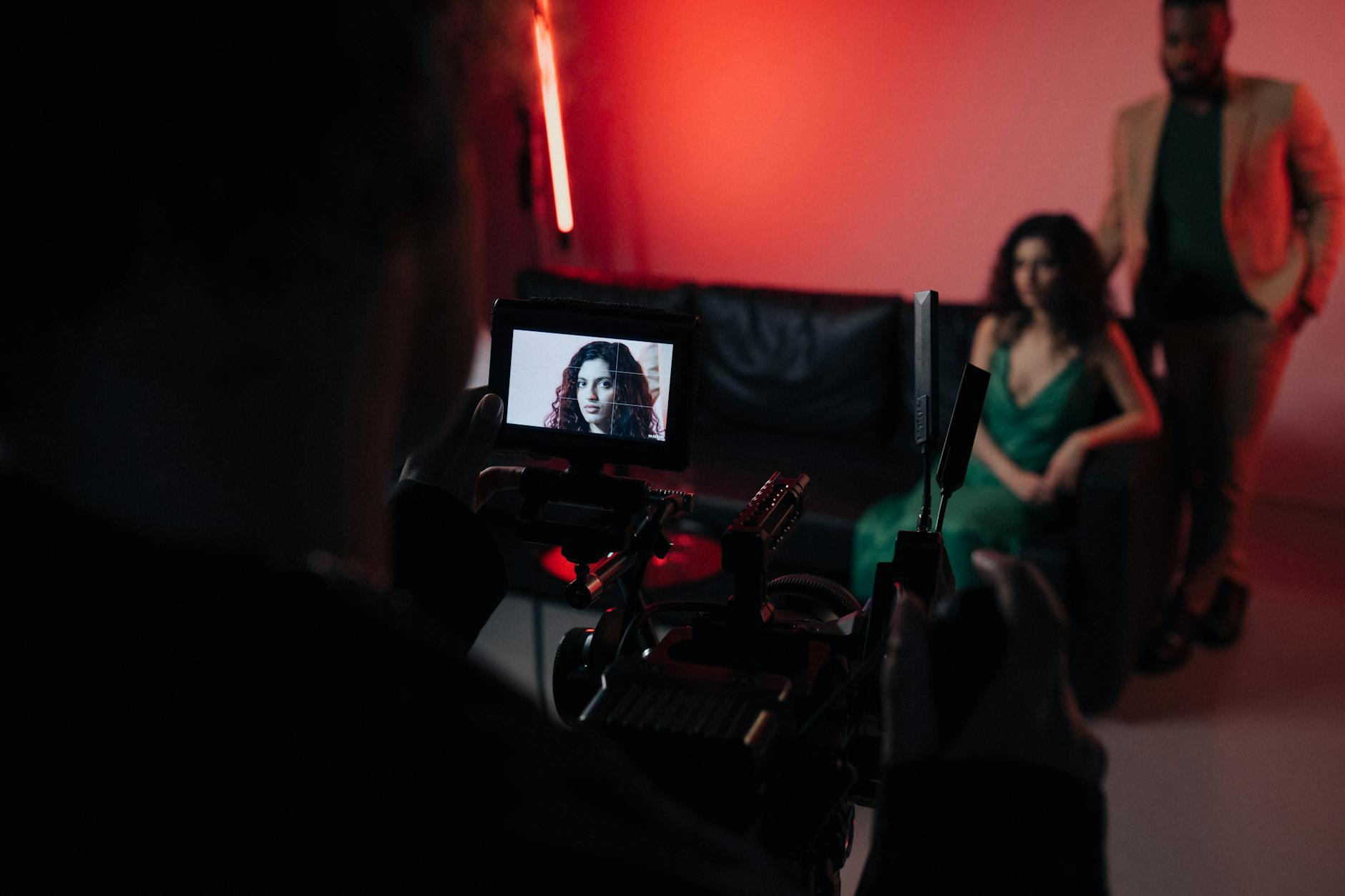
In a highly competitive environment, companies that invest in high-quality branding videos stand out by demonstrating professionalism, innovation, and transparency. Such videos often serve as the cornerstone of a broader digital marketing campaign, amplifying brand voice across various platforms. They offer a versatile format for storytelling, whether through animated visuals, live-action footage, or a combination of both, ensuring the message resonates effectively with viewers.
More than just promotional material, corporate branding videos are instrumental in stakeholder engagement and corporate social responsibility initiatives. They communicate the company's dedication to community and industry, reinforcing credibility and fostering competitive advantage. When utilized consistently and strategically, these videos help cement a company’s reputation as a trustworthy, forward-thinking entity ready to meet the needs of an ever-evolving market landscape.

Planning and Pre-Production Process
Executing a compelling corporate branding video begins long before the camera starts rolling. The planning and pre-production phase lays the foundation for a video that effectively communicates the brand's message, resonates with the target audience, and achieves the set objectives. This stage involves careful scripting, storyboarding, logistical arrangements, and resource allocation to ensure a smooth production process.
Critical to this phase is the development of a comprehensive creative brief. This document delineates the core message, target demographics, tone of voice, visual style, and desired outcomes. It acts as a guide for all stakeholders involved, aligning their efforts towards a unified vision. Considering the intended distribution channels during early planning ensures the content is optimized for platforms such as social media, websites, or broadcast.
Choosing the right team, including directors, cinematographers, graphic designers, and voice-over artists, plays a key role in realizing the creative vision. Engaging experienced professionals with a proven track record in brand-centric storytelling elevates the quality potential of the project. Additionally, selecting appropriate locations, obtaining necessary permits, and scheduling shoots are essential steps that minimize disruptions and adhere to deadlines.
Scriptwriting is an integral part of pre-production, requiring a clear articulation of the brand's story in a manner that appeals emotionally and intellectually to viewers. This involves crafting concise, impactful messages that align with the overall marketing objectives, while also considering cultural nuances and industry-specific terminology. Visual storyboards help translate these ideas into tangible scenes, facilitating seamless communication among the production team.
In parallel, logistical planning involves coordinating schedules, securing equipment, and establishing contingency plans for unforeseen circumstances. Budget management during this stage ensures resource allocation supports quality production without overspending. A comprehensive timeline with milestones and review points keeps the project on track, enabling adjustments as needed before the actual filming begins.
Thorough pre-production sets the stage for a streamlined shoot, minimizing the risk of costly delays and ensuring that the final product aligns with strategic branding goals. By investing time and effort into this preparatory process, companies and production agencies alike can craft corporate branding videos that are polished, purposeful, and primed to leave a lasting impression on viewers.
Legal and Compliance Approaches to Corporate Branding Videos
Creating a corporate branding video involves adhering to established standards and practices that ensure the content aligns with industry regulations and company policies. This method emphasizes meticulous documentation and clear communication channels to maintain integrity throughout the production process. Companies should establish comprehensive internal review procedures to verify that all content complies with branding guidelines, intellectual property rights, and industry-specific standards.
In addition, working exclusively with licensed and certified production crews and suppliers guarantees that all technical aspects, from equipment to talent, meet professional benchmarks. These collaborations not only enhance the quality of the final product but also ensure adherence to safety and operational standards mandated by relevant authorities.
It is also essential to keep detailed records of all approvals and revisions during the development stages. This documentation serves as a transparent trail that demonstrates compliance and diligent oversight, mitigating potential disputes or misunderstandings that could arise during or after production.
Furthermore, employing a structured review and approval process within the organization helps maintain consistency and control. This process involves multiple checkpoints where stakeholders scrutinize the content, ensuring it remains aligned with corporate values, legal requirements, and marketing goals.
By establishing a disciplined approach rooted in official procedures, companies can significantly reduce risks associated with unauthorized use of proprietary content, unintentional misrepresentations, or breaches of confidentiality. This proactive stance not only fosters trust with clients and partners but also reinforces the company's commitment to responsible branding practices.
Official Methods for Ensuring Compliance in Corporate Branding Videos
Creating a corporate branding video involves meticulous adherence to established protocols that safeguard the company's interests and uphold its reputation. One fundamental approach is the implementation of structured review processes, which include multiple levels of assessment involving key stakeholders such as marketing teams, legal advisors, and compliance officers. This collaborative review ensures that the content aligns with brand guidelines, corporate values, and industry standards, while also adhering to relevant regulations governing advertising and corporate communication.
Utilizing industry-standard content management systems (CMS) plays a crucial role in maintaining content integrity. These platforms facilitate version control and audit trails, providing transparency throughout the production process. They also enable secure sharing of drafts among authorized personnel, ensuring that changes are documented and approved through official channels.
Pre-approved templates, scripts, and storyboards are instrumental in maintaining consistency and compliance. These tools serve as a foundational framework that guides creative development while ensuring adherence to legal and branding specifications. Additionally, detailed checklists derived from regulatory guidelines and industry best practices help streamline the review process, reducing the risk of oversight.
Conducting background checks and obtaining clearances for any third-party content is also essential. This includes verifying the intellectual property rights for music, images, and footage used within the video. Securing licenses and permissions from rights holders guarantees that all elements incorporated are fully authorized for commercial use, preventing potential infringement issues.
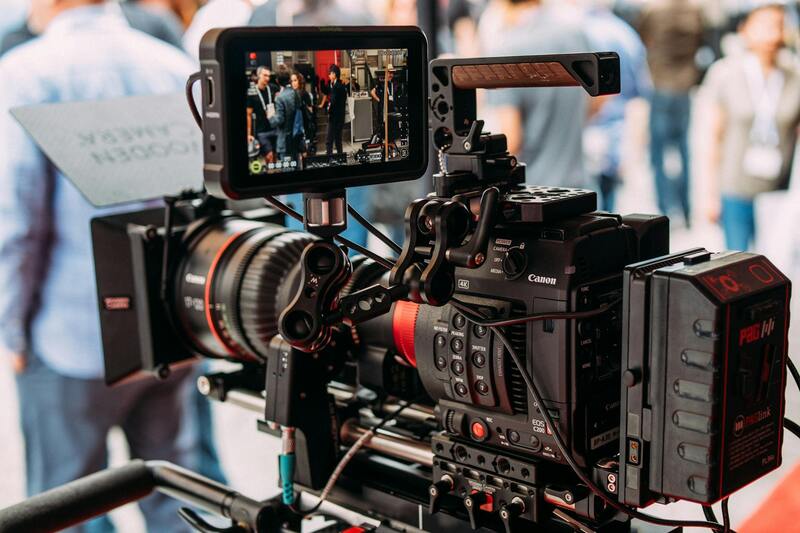
Implementing formal approval workflows is another key strategy. These workflows define approval hierarchies, specify review deadlines, and establish criteria for final sign-off. By adhering to these protocols, organizations can demonstrate due diligence and ensure that every aspect of the video has been scrutinized and validated by authorized personnel.
Training teams on adherence to legal and branding standards ensures everyone involved in the production process understands the importance of compliance. Regular workshops and updates on industry regulations foster a culture of responsible content creation, minimizing the risk of unintentional non-compliance.
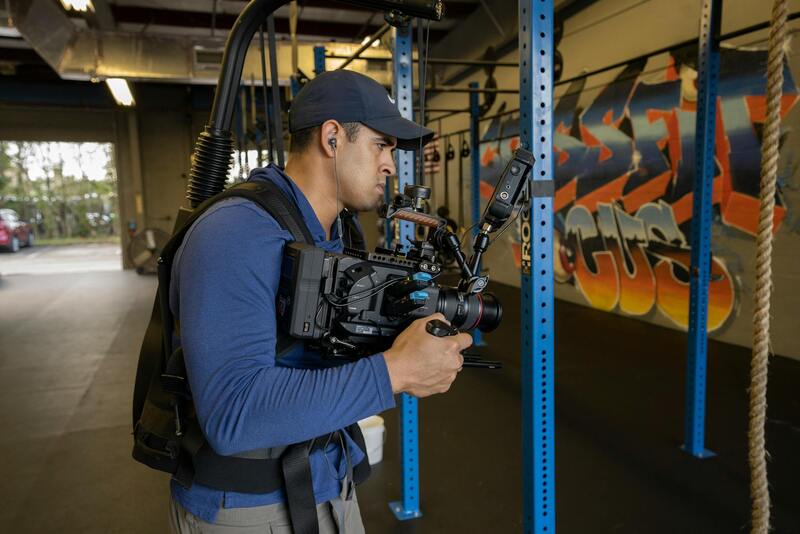
Incorporating these official methods demonstrates a company's commitment to transparency, quality, and regulatory adherence. They help produce polished, trustworthy corporate branding videos that effectively communicate the brand message while safeguarding the company's reputation and operational integrity.
Ensuring Authenticity Through Official Content Verification
Maintaining authenticity in a corporate branding video extends beyond high-quality visuals and compelling storytelling; it encompasses the diligent use of officially obtained content. This maintains a consistent brand image and safeguards the organization’s reputation. The process begins with meticulous rights clearance, where all media elements—such as music, images, and footage—are verified for authorized use within commercial contexts. This involves securing licenses from rights holders and adhering to licensing agreements, which explicitly specify how each element can be utilized.
Implementing a robust content management system is crucial for tracking licensing documentation and ensuring that all media assets are properly authorized. This system acts as a comprehensive record, facilitating easy audits and reviews during the production process. It also supports the integration of various approved media elements, reducing the risk of inadvertent use of unlicensed materials.
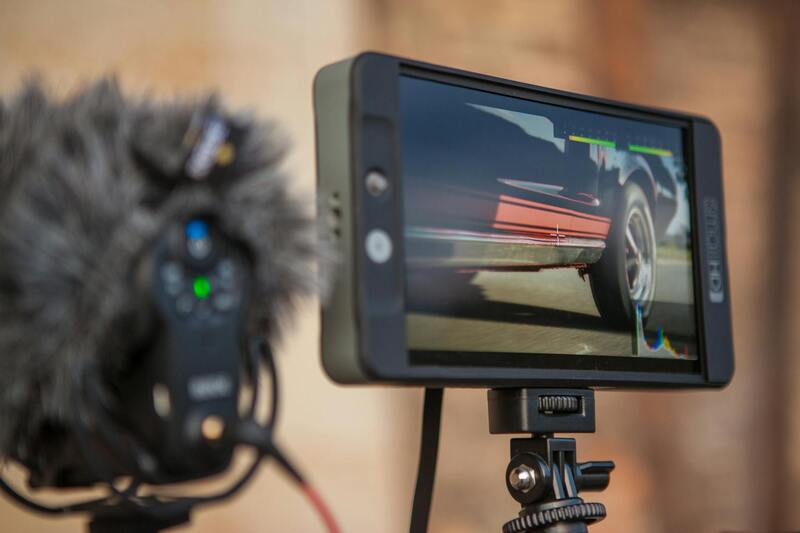
Furthermore, establishing clear protocols for version control ensures that only sanctioned versions of media are incorporated into the final product. Quality control measures such as detailed review checklists help identify potential inconsistencies or unauthorized content before the final cut. These steps collectively reinforce the integrity of the branding message, affirming the company’s commitment to transparency and responsible content creation.
Another vital aspect is formal approval workflows, where designated stakeholders review and endorse the content at multiple stages. Documented sign-offs serve as evidence of due diligence and adherence to established standards. Regular training sessions for the production team emphasize the importance of using only officially licensed content, fostering a culture of compliance and professionalism.
By applying these structured, official methods, organizations demonstrate a sincere commitment to quality, consistency, and legal compliance. This not only enhances the credibility of the corporate branding video but also minimizes risks associated with unauthorized content use. A meticulously verified video exemplifies a company's dedication to authenticity and transparency, reinforcing stakeholder trust and protecting corporate reputation.
Post-Production and Editing
Once the filming phase concludes, the post-production process begins, transforming raw footage into a polished corporate branding video that effectively communicates the company's identity and values. This stage involves meticulous editing techniques that align with the strategic objectives established during pre-production. Skilled editors focus on pacing, visual continuity, and narrative flow to ensure the final piece resonates with the target audience.
Incorporating branding elements is crucial to reinforce brand recognition. This includes the strategic placement of logos, color schemes, and brand-specific typography, seamlessly integrated throughout the video to maintain consistency and enhance brand recall. Visual effects are applied judiciously to highlight key messages without overwhelming the viewer, utilizing modern software tools to add polish and professionalism.
Music selection plays a vital role in shaping the emotional tone of the video. Choosing appropriate background scores that match the brand personality helps to evoke the desired responses from viewers. Custom voiceovers may also be integrated to lend a personalized touch, ensuring the narration aligns flawlessly with the company's voice and message. Sound design, including the use of ambient sounds and tailored audio effects, further immerses viewers into the brand story.
Effective editing not only improves aesthetic appeal but also ensures clarity of the message. Color grading is employed to enhance visual consistency and mood, making the content more engaging and professional. Transitions, overlays, and text animations are utilized to emphasize important points and create a smooth flow from scene to scene. Throughout this process, adherence to structured review protocols is essential, with multiple revisions conducted to meet quality standards and strategic goals.

In an environment like Miami, where diverse industries operate with high visual standards, leveraging cutting-edge editing tools is integral to producing a compelling corporate branding video. When executed with professionalism, post-production elevates the initial footage, ensuring the final product effectively captures the essence of the brand and resonates across various digital and physical platforms.
Understanding Corporate Branding Videos
Corporate branding videos serve as a dynamic visual tool to communicate a company's values, culture, and mission to a broad audience. These videos go beyond traditional advertising by emphasizing the unique identity of the organization, fostering trust, and building a cohesive brand image. They often feature a blend of compelling visuals, storytelling, and strategic messaging designed to resonate with target audiences, including clients, partners, and potential employees.
Key Objectives of a Corporate Branding Video
These videos aim to:
- Establish brand identity: Reinforce what the company stands for through visual cues, tone, and messaging.
- Enhance brand recognition: Create memorable content that differentiates the organization from competitors.
- Build emotional connections: Engage viewers on a personal level to foster loyalty and trust.
- Support internal culture: Communicate core values and motivate employees by aligning their goals with the company's vision.
- Attract investment and partnerships: Showcase the company's strengths and future opportunities to potential stakeholders.
Planning and Pre-Production Process
Effective pre-production planning is critical to ensure that the final product accurately reflects the company's brand message. This phase involves defining target audiences, establishing clear objectives, and developing a comprehensive creative brief. During this stage, stakeholders collaborate to identify key themes, tone, and visual style. Budgeting and scheduling are also finalized to align resources with project scope.

Once the creative outline is approved, storyboards and shot lists are developed to visualize the narrative flow. Securing locations, casting talent, and organizing logistics are also completed at this stage to streamline the production process and minimize delays.
Creative Elements and Storytelling Techniques
Successful corporate branding videos incorporate a variety of creative elements that enhance storytelling and viewer engagement. Visual consistency in color schemes, typography, and branding assets reinforces identity, while compelling narratives captivate audiences. Techniques such as interviews, testimonials, and behind-the-scenes footage lend authenticity and transparency.
Storytelling often begins with a clear problem statement or opportunity, followed by showcasing the company's solutions and strengths. Emotional appeal is amplified through relatable characters, impactful visuals, and a cohesive narrative structure. Incorporating data visualizations and infographics can further elucidate complex concepts, making content accessible and memorable.
Production Best Practices for Miami Agencies
Miami's vibrant landscape and diverse industries offer a wealth of creative inspiration, but maintaining professional standards is vital. Filming in high-resolution formats ensures crisp visuals, while proper lighting and sound equipment minimize technical issues. Utilizing drone shots and innovative camera angles can add a dynamic element to the video, capturing the energy of the location.
Collaboration with local talent and crew familiar with Miami's unique environment enhances authenticity and efficiency. Adhering to scheduled timelines and quality protocols guarantees smooth production workflows. Moreover, integrating brand assets seamlessly into the footage ensures consistency across all visual materials.
Post-Production and Editing
Post-production transforms raw footage into a polished narrative that aligns with strategic branding goals. Editing involves selecting the most impactful shots, refining the pacing, and integrating visual effects that enhance storytelling. Color grading is pivotal in establishing a consistent mood, whether aiming for a vibrant, energetic atmosphere or a subdued, professional tone.
Sound design is crucial; selecting appropriate background music, adding voiceovers, and incorporating ambient sounds evoke emotional responses and reinforce messaging. Text overlays and brand logos are strategically placed to assert identity without overwhelming the viewer.
Employing advanced editing techniques ensures a cohesive flow, emphasizing key messages while maintaining viewer engagement. Regular review sessions facilitate iterative improvements, aligning the content tightly with the intended strategic outcomes.
Leveraging Data and Feedback to Fine-Tune Corporate Branding Videos
Ensuring that a corporate branding video resonates effectively with its target audience involves a detailed process of measurement, evaluation, and continuous improvement. These practices help companies understand how their visual communications are performing and where adjustments can yield better engagement and brand perception.
Utilizing Advanced Analytics Tools
Modern analytics platforms provide comprehensive data on viewer interactions, including view count, watch time, engagement rates, and drop-off points. By analyzing these metrics, organizations can determine which sections of the video hold viewer attention and which segments may require enhancements. For instance, if viewers tend to abandon the video early on, a review of the opening content can help identify opportunities to make the introduction more compelling.
Assessing Audience Feedback
Direct feedback from viewers offers invaluable insights into the video’s effectiveness. Conducting surveys or informal polls after the video's release provides qualitative data related to the clarity of messaging, emotional impact, and overall impression. Additionally, monitoring comments on social media platforms can reveal recurring themes or concerns, guiding content revisions or future campaigns.
Tracking Brand Engagement Metrics
Beyond direct video analytics, evaluating broader brand engagement metrics helps measure the overall influence of the branding video. Metrics such as website traffic, click-through rates, conversion rates, and social media shares directly correlate with increased brand awareness and interest. When paired with video performance data, these indicators form a comprehensive picture of the video's contribution to marketing objectives.
Implementing A/B Testing for Optimization
The use of A/B testing allows for systematic comparison of different versions of a branding video or its elements. Variations in call-to-action placements, visual styles, music, or narration can be tested on different audience segments. Analyzing performance differences guides decision-making toward the most effective creative approach, ensuring future content aligns better with viewer preferences and behaviors.
Establishing Benchmarks and KPIs
Setting clear, measurable benchmarks at the outset of each project helps track progress effectively. Common key performance indicators include viewer retention rates, engagement scores, brand recall surveys, and lead generation figures. These benchmarks serve as targets to strive for and provide a reference point for assessing success post-launch.