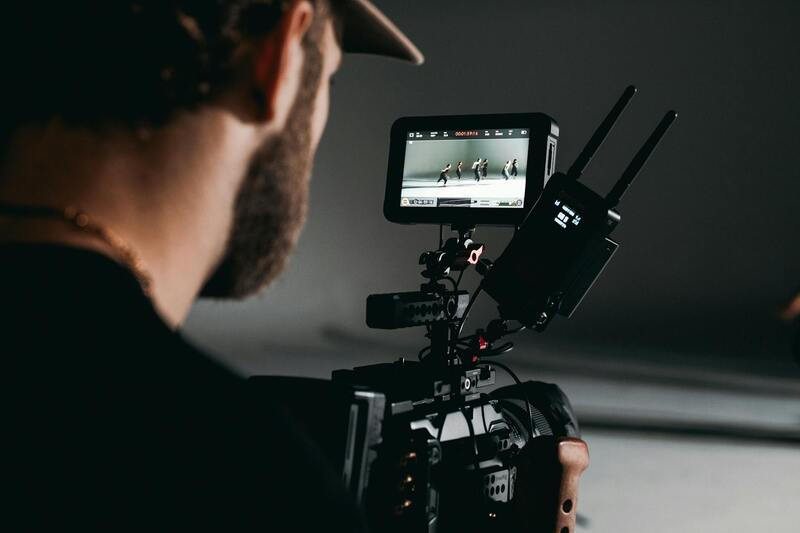
Produce A Corporate Video: Guide For Miami Businesses
Understanding the Purpose of a Corporate Video
Creating a corporate video involves more than just recording footage; it is a strategic tool designed to communicate a company's message effectively. For Miami-based businesses, these videos serve a variety of objectives that align with their overall marketing and organizational goals. One primary purpose is enhancing brand awareness. A well-crafted corporate video can introduce a company's identity, values, and unique offerings to a broader audience, making a lasting impression that differentiates it from competitors.
Another critical goal of corporate video production is to serve as an internal communication channel. Companies often utilize videos for employee training, providing consistent and engaging educational content that simplifies complex procedures. These videos facilitate onboarding, skill development, and ongoing education, ultimately fostering a more informed and cohesive workforce.
Promotion and marketing campaigns are also central to producing corporate videos. Whether launching a new product, highlighting a service, or promoting an event, videos enable businesses to reach their target audience with compelling visuals and storytelling. This approach not only captures attention but also increases engagement across various platforms.
From a financial perspective, corporate videos can lead to increased conversions and sales by clearly demonstrating the value of products or services. They build trust with viewers, providing transparency and credibility that influence purchasing decisions. For Miami companies, leveraging local culture and market nuances in these videos enhances resonance with the community.
Visual storytelling enhances brand communication and engagement for Miami businesses seeking effective corporate videos.
Overall, producing a corporate video is a strategic investment that supports a company's growth, internal cohesion, and market presence. Clear objectives guide the production process, ensuring the final product aligns with business goals while maximizing return on investment. When planned and executed correctly, corporate videos become a vital asset for Miami organizations to communicate more effectively in a competitive landscape.
Choosing the Appropriate Script and Content Structure
Developing a coherent script is fundamental to ensuring your corporate video communicates its message effectively. This process involves aligning content with the company’s goals and target audience, which in Miami's diverse market means considering cultural sensitivities and regional preferences. The script should be clear, concise, and engaging, emphasizing key messages while maintaining a professional tone.
Once the core message is established, structuring the content logically enhances viewer comprehension. Start with a compelling introduction that captures attention immediately, followed by the main body where the core information is presented in an organized manner. Incorporate storytelling techniques or real-life examples relevant to the Miami business landscape to foster a connection with viewers.
Choosing a mix of storytelling and factual information helps maintain audience interest. Incorporate testimonials, case studies, or customer success stories that resonate with Miami’s local community. These elements build authenticity and trust, crucial in establishing credibility for your brand.
Additionally, craft a strong call to action (CTA) that guides viewers toward the next steps, whether visiting a website, contacting your team, or attending an event. The CTA should be prominently placed and seamlessly integrate into the narrative to leave a lasting impression.
Crafting a persuasive script tailored to Miami's diverse audience.
Incorporating Local Flavor and Cultural Elements
To effectively engage Miami’s audience, integrating local culture and regional nuances into your corporate video is essential. This approach demonstrates your understanding of the community and can significantly enhance the relatability of your content.
Incorporate visuals, language, and music that reflect Miami’s vibrant cultural landscape. Highlight local landmarks, festivals, or community stories that resonate with your target demographic. This not only garners attention but also fosters a sense of familiarity and loyalty among viewers.
Think about including Spanish language segments or bilingual content if your audience is diverse, which can broaden reach and inclusivity. Use regional slang and colloquialisms appropriately to establish a genuine connection.
Furthermore, featuring Miami-based employees or clients in your videos adds authenticity, showcasing your company’s roots and commitment to the local market. This strategy reinforces your brand’s local presence and helps differentiate your business in a competitive environment.
Embedding Miami’s cultural essence into corporate storytelling drives engagement.
Optimizing Content for Various Distribution Channels
Once your corporate video is crafted, it is essential to optimize for different platforms to maximize reach. Different channels such as social media, your company website, emails, and paid advertising each have unique specifications and audience expectations.
For social media, create shorter clips or teaser versions that can quickly capture attention. Resize and format videos to fit the specific platform requirements, ensuring they load quickly and display correctly on desktops and mobile devices.
On your website, embed high-resolution videos that play seamlessly and provide detailed information. Use transcripts or subtitles to improve accessibility and SEO performance. Embedding videos within relevant blog posts or pages enhances user engagement and dwell time.
Email campaigns benefit from thumbnail images and brief summaries that entice recipients to view the full video. Incorporate compelling subject lines and clear CTA buttons to guide viewers towards your desired actions.
Paid ads and sponsored content should be tailored to target audiences, with messaging that aligns with viewer interests and behaviors in Miami’s market. Utilize analytics tools to track engagement and optimize future content based on performance data.
Strategic distribution of corporate videos amplifies reach and engagement across multiple channels.
Choosing the Right Video Style and Format
For corporate videos, selecting an appropriate style and format is crucial to effectively convey your message and resonate with your target audience. Different styles serve various purposes and can be tailored to reflect Miami's vibrant business environment. Promotional videos emphasize your company's products or services, highlighting unique selling points through dynamic visuals and compelling narratives. Testimonial videos feature satisfied clients or partners sharing their positive experiences, building trust and credibility within the community. Explainer videos simplify complex information, using animations and clear narration to educate viewers about your offerings or processes, making them ideal for onboarding or product launches.
Among format options, live-action videos are highly versatile, allowing for authentic storytelling that showcases your company culture, leadership, or customer success stories. Animated videos, including 2D and 3D, add a creative flair and flexibility, especially when visualizing concepts or data that are hard to capture on camera. Hybrid formats combine live footage with animations to deliver engaging content that maintains viewers’ attention. When selecting a style, consider your target audience, campaign objectives, and the message you want to communicate; this strategic choice ensures the video resonates and drives engagement.
Different video styles tailored to corporate communication needs in Miami's diverse market
It's also important to align the video's style with brand identity, tone, and the cultural nuances of Miami’s multicultural business landscape. Select a style that can be seamlessly integrated into your broader marketing strategy, whether it emphasizes professionalism, innovation, or community engagement. This alignment enhances brand recognition and fosters a stronger connection with your audience, ensuring that the content not only informs but also motivates action.
When planning your content, consider the various formats' strengths and limitations, and how they fit into your distribution channels. For instance, short, engaging teaser clips work well on social media, while longer, detailed videos perform better on your website or during presentations. Ultimately, choosing the right combination of style and format amplifies your message, enhances viewer retention, and maximizes return on investment for your corporate video efforts.
Developing a Compelling Script and Storyboard
Creating a well-crafted script is fundamental to producing a corporate video that effectively communicates your message. The script should be concise, engaging, and aligned with your company’s brand voice and objectives. It must clearly outline the key points, call-to-action, and emotional tone to resonate with your target audience. A compelling script serves as the blueprint for the entire production process, guiding both filming and post-production stages.
Once the script is finalized, developing a detailed storyboard enhances visualization and streamlines the filming process. A storyboard is a sequence of illustrations or images that depict each scene, including camera angles, transitions, and timing cues. This pre-visualization tool helps ensure that everyone involved — from directors and videographers to editors — shares a common understanding of the creative vision. It also allows for early identification of potential logistical issues or creative adjustments, saving time and resources during filming.
Sketching out your corporate video’s script and storyboard ensures clear communication of ideas and visual flow
Securing Necessary Permissions and Assets
Before filming begins, it’s essential to identify and obtain all necessary permissions, clearances, and rights related to locations, footage, music, and other intellectual properties. Proper licensing ensures that the final product complies with legal standards and avoids potential infringement issues. This process involves coordinating with property owners or authorities for location releases and securing rights for any third-party content incorporated into the video.
In addition, gathering and preparing assets—such as logos, product images, and testimonials—before filming ensures a smooth production process. These elements help maintain consistency with brand guidelines and enhance the overall quality of the video. Proper planning and documentation in this stage prevent delays and ensure that all material used aligns with your branding and messaging standards.
Budgeting and Scheduling
A comprehensive budget plan accounts for all aspects of video production, including pre-production, filming, post-production, and distribution. Establishing a clear budget helps prioritize essential elements and avoid overspending. It’s beneficial to allocate funds for contingencies and unforeseen expenses, which are common in video projects.
Developing a detailed schedule aligns production milestones with deadlines for delivery. Setting realistic timelines ensures that each phase of production receives adequate attention, from script approval to final edits. A well-structured timeline also facilitates communication among team members and stakeholders, fostering accountability and smooth workflow management.
Effective scheduling and budgeting streamline production and ensure timely delivery of your corporate video
Understanding the Purpose of a Corporate Video
Before initiating the production process, it’s crucial to clarify the core objectives that the corporate video aims to achieve. Whether the goal is to enhance brand awareness, introduce a new product, showcase corporate culture, or communicate internal messages, defining these aims helps shape every aspect of the video, from concept to execution. A clearly articulated purpose allows for the development of targeted messaging that resonates with the intended audience, ensuring that the content drives meaningful engagement.
Establishing measurable goals, such as increasing website visits, generating leads, or improving employee onboarding, provides benchmarks for evaluating success. These objectives influence decisions about content style, tone, and distribution channels. When the target outcomes are well-defined, production teams are better equipped to craft a compelling narrative, select appropriate visuals, and incorporate calls-to-action that directly support the strategic aims of the organization.
Clear purpose guides the entire video production process, ensuring alignment with organizational goals.
Planning and Pre-Production Strategies
This phase involves meticulous preparation to lay a solid foundation for the project. Conducting detailed research about the target audience helps tailor content that appeals to their interests and preferences. Developing a comprehensive script ensures that key messages are delivered succinctly and effectively, aligning with the overall purpose of the video.
Storyboarding is an essential step to visualize scenes, transitions, and visual elements, providing a roadmap for production. During this stage, selecting appropriate locations and securing permits are vital to ensure smooth filming operations. Additionally, casting talent—whether internal personnel or professional actors—must be thoughtfully considered to reflect the company’s image and resonate with viewers.
Assembling a detailed production schedule and budget plan minimizes disruptions and keeps the project on track. Coordinating with stakeholders, including marketing teams, executives, and creative professionals, ensures everyone’s expectations are aligned from the outset. Proper planning and documentation reduce uncertainties, streamline workflow, and contribute to a high-quality final product.
Thorough pre-production planning enhances efficiency and ensures the video aligns with organizational branding and messaging.
Choosing the Right Video Style and Format
Deciding on the appropriate style and format of a corporate video is essential to effectively communicate the intended message and resonate with the target audience. Different styles serve various purposes, from showcasing company culture to demonstrating product functionalities or sharing client testimonials. The selection process involves understanding the core message, the target demographic, and the organizational branding guidelines.
One common format is the brand overview video, which provides a comprehensive introduction to the company's mission, values, and offerings. These videos are often used on landing pages or during investor presentations to establish credibility. Conversely, product demo videos focus on showcasing specific features or benefits, requiring a clear demonstration and close-up visuals to highlight functionality.
Another popular style is the customer testimonial or case study, which emphasizes authenticity and builds trust. These videos feature real clients sharing their positive experiences, humanizing the brand and reinforcing credibility. Corporate training videos serve internal purposes, focusing on skill development and procedural instructions, often utilizing animated graphics and narration for clarity.
In addition to style, format considerations include video length, tone, and pacing. Short, engaging clips are ideal for social media platforms, capturing attention quickly and encouraging sharing. Longer-form videos work better for comprehensive explanations, in-depth storytelling, or detailed case studies.
Effective selection of video style and format ensures your message resonates with your audience and aligns with your organizational goals.
The chosen format dictates production techniques, script development, and post-production elements. Live-action footage can create a personal connection, while animation is useful for illustrating complex concepts or data-driven stories. Hybrid approaches combine both elements for a dynamic presentation.
Consulting professionals experienced in corporate video production can assist in selecting the most suitable style and format based on the project scope, target audience, and distribution channels. Proper alignment at this stage ensures the final product effectively achieves its communication objectives.
Understanding the Purpose of a Corporate Video
Creating a corporate video is a strategic endeavor designed to communicate your company’s core messages and values. It serves multiple functions, from enhancing brand awareness and showcasing products or services to attracting potential clients and talent. A well-crafted corporate video helps establish authority and trust within your industry, making it an essential component of your marketing and communications efforts.
Clear objectives are vital before initiating production. Whether the goal is to introduce your brand to a new audience, explain complex solutions, or demonstrate customer success stories, every element of the video should align with these goals. Defining your target audience will further refine the content, tone, and distribution approach, ensuring the message resonates effectively. In Miami’s competitive market, a thoughtfully produced corporate video can differentiate your business by highlighting unique selling points and fostering emotional connections with viewers.
Planning and Pre-Production Strategies
Pre-production is the foundation of a successful corporate video. It involves detailed planning that covers scriptwriting, storyboarding, budgeting, and scheduling. During this phase, collaborating with experienced professionals ensures your vision is translated into a clear plan. Developing a comprehensive script that conveys your core message concisely is crucial; it should be engaging and easy to understand, reflecting the tone appropriate for your audience.
Storyboarding helps visualize each scene, ensuring alignment between creative ideas and practical execution. Setting a realistic budget prevents overspending and allows allocation of resources toward high-priority aspects like location, talent, or animation. Scheduling coordination guarantees that production milestones are met, minimizing delays and streamlining the process.
Effective pre-production planning sets the stage for a seamless filming process and high-quality output.
Choosing the Right Video Style and Format
The selection of a video style and format should reflect your organization's identity and communication objectives. Common styles include live-action shoots, animated videos, or hybrid approaches that combine elements of both. Live-action videos offer authenticity and personal connection, often featuring interviews, workplace scenes, or product demonstrations. Animation, on the other hand, enables the visualization of complex ideas or data through visually engaging graphics, making intricate concepts accessible and memorable.
The format of your video influences how it will be produced and consumed. Short clips, typically under two minutes, are effective for social media engagement, capturing attention quickly and driving viewers to your website or campaigns. Longer formats are suitable for detailed presentations, training modules, or in-depth storytelling, allowing comprehensive coverage of topics. Ensure the style and format align with your target audience’s preferences and consumption behaviors to maximize impact.
Figure Placeholder: Selecting the appropriate style and format ensures your corporate message makes a strong, lasting impression.
Collaborating with a Production Agency in Miami
Partnering with a reputable production agency in Miami brings local expertise and industry experience to your project. These professionals offer guidance from conceptualization through post-production, ensuring your vision is executed efficiently while maintaining high standards. They handle essential tasks such as location scouting, casting, equipment selection, and scheduling, freeing your team to focus on providing input and approvals.
Effective collaboration involves open communication, detailed briefs, and iterative feedback. An experienced agency understands the unique dynamics of the Miami market, including its diverse locations, cultural nuances, and specific aesthetic preferences. This knowledge enables them to craft a video that resonates with local audiences and withstands the scrutiny of industry professionals.
Partnering with Miami’s local production experts ensures a tailored approach that captures the city’s vibrant energy and business environment.
Key Elements of Effective Corporate Video Content
An impactful corporate video seamlessly integrates several key components. These include a compelling story that connects emotionally with viewers, a clear message tailored to audience needs, and professionally produced visuals and audio. Authenticity and transparency are critical in establishing trust; featuring genuine testimonials, real workplace scenes, or behind-the-scenes glimpses add credibility and relatability.
Additionally, incorporating strong calls to action directs viewers toward desired responses, whether it’s visiting a website, signing up for an event, or contacting your sales team. Visual consistency with your brand identity—such as logos, color schemes, and typography—reinforces recognition. Balanced pacing, high production quality, and attention to detail in lighting, sound, and editing contribute to an engaging viewer experience that leaves a lasting impression.
Image Placeholder: Integrating storytelling, visuals, and branding creates a powerful corporate video that drives engagement.
The Production Process: Filming and Post-Production
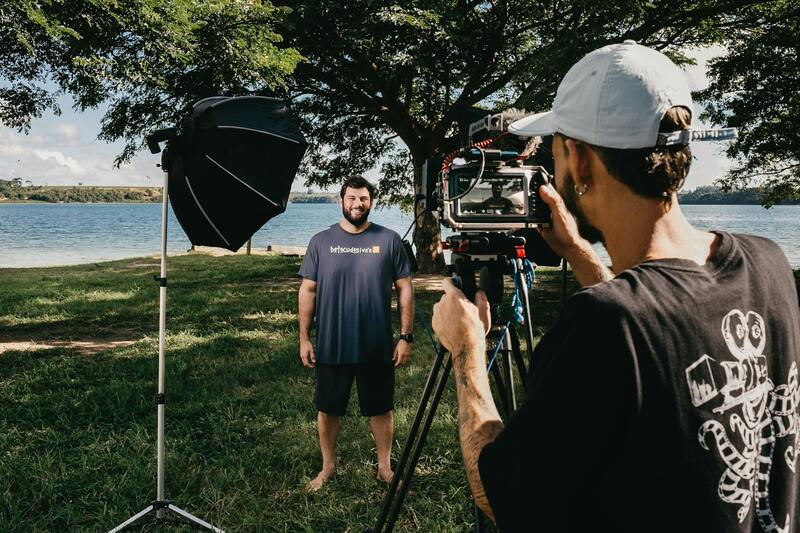
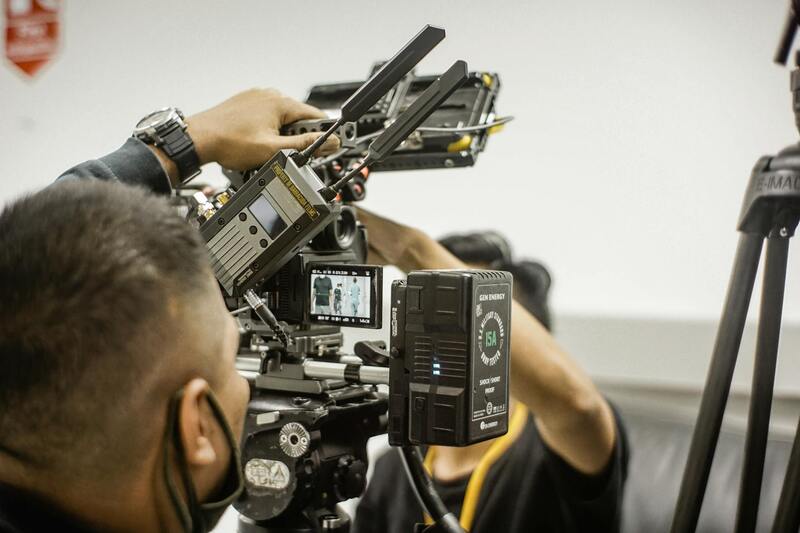
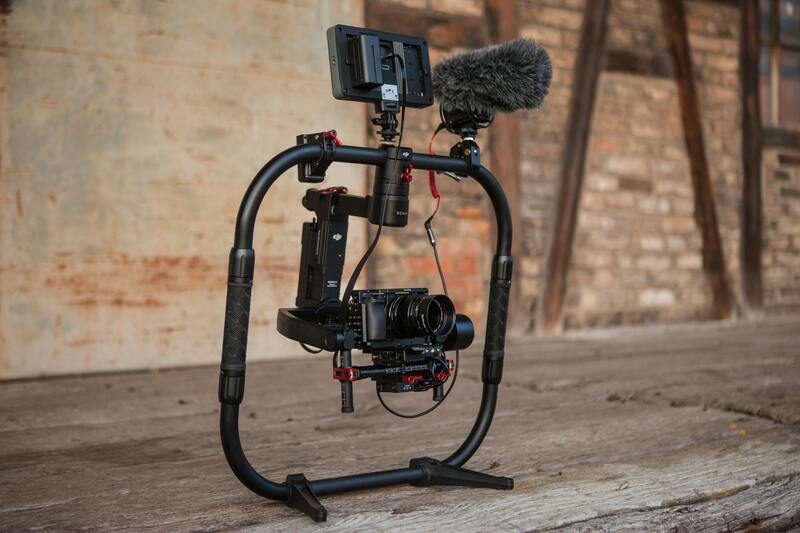
The filming phase involves capturing all necessary footage according to the script and storyboard. Skilled cinematographers utilize professional equipment to achieve optimal lighting, sound quality, and composition. Direction during this stage ensures performances and scenes align with the envisioned narrative, whether shooting on location in Miami or a studio environment.
Post-production is where the raw footage transforms into a polished final product. Editors cut and assemble clips, add visual effects, motion graphics, and color correction to enhance visual appeal. Sound designers work on audio elements, including voiceovers, background music, and sound effects, to create an immersive experience.
Incorporating feedback from stakeholders is vital, allowing revisions that improve clarity and emotional impact. When executed meticulously, this process results in a cohesive video that effectively conveys your message and strengthens your brand presence.
Advanced Distribution and Engagement Tactics for Corporate Videos
Maximizing the reach and effectiveness of a corporate video requires adherence to proven distribution methods that align with your overarching business objectives. Once producing a high-quality video, targeted dissemination across appropriate channels becomes crucial for engaging your ideal audience, whether they are potential clients, partners, or internal stakeholders. Implementing a strategic distribution plan involves several key approaches that ensure your message resonates and prompts action.
Utilizing Business Website and Digital Platforms
Your corporate website serves as the primary hub for hosting your video content. Embedding videos on strategic pages—such as the homepage, about us, or dedicated product sections—enhances visitor engagement and provides immediate access to your brand story. Incorporating clear calls-to-action (CTAs) within or alongside the video encourages visitors to take further steps, such as filling out contact forms, subscribing to newsletters, or requesting demonstrations.
Corporate videos embedded strategically on your website can significantly increase visitor engagement
Beyond your website, leveraging digital platforms such as YouTube, Vimeo, and social media channels expands your outreach exponentially. Optimizing video titles, descriptions, and tags with relevant keywords enhances discoverability through search. Regularly sharing updates, behind-the-scenes clips, or teaser snippets fosters ongoing interest and keeps your audience connected.
Email Campaigns and Direct Outreach
Targeted email marketing campaigns are highly effective in delivering your corporate video directly to your existing contacts. Segmenting your email list allows personalized messaging tailored to different audiences, whether potential clients, existing customers, or industry partners. Including the video in newsletters or dedicated outreach emails can boost conversion rates, especially when accompanied by contextual content that underscores its relevance.
Live Events and Industry Conferences
Incorporating your corporate video into live presentations, webinars, or industry events enhances your credibility and reinforces your key messages. Displaying videos during keynote addresses or breakout sessions captures attention and creates an emotional connection. Moreover, video content can be repurposed for virtual events, expanding your reach to broader audiences beyond physical locations.
Utilizing Paid Advertising and Media buys
Strategic investment in paid media ensures your corporate video reaches targeted segments effectively. Platforms like LinkedIn, Facebook, and Google Ads allow precise audience targeting based on demographics, interests, and behaviors. Implementing retargeting strategies, where viewers who have previously interacted with your website or content are re-engaged through tailored ads, increases the likelihood of conversions and deepens engagement.
Measuring Impact and Refining Strategies
Effective distribution is complemented by continuous monitoring of engagement metrics such as view counts, watch time, click-through rates, and audience interactions. Analyzing these data points helps identify which channels and content styles generate the highest engagement. Additionally, tracking conversions stemming from video views—such as inquiries, downloads, or purchases—provides insight into return on investment. Regularly reviewing performance metrics facilitates data-driven refinements to your distribution plan, ensuring sustained growth and brand reinforcement.
Strategic distribution amplifies the ROI and effectiveness of your corporate video campaigns
Beyond digital strategies, fostering internal communication via company intranets or employee training sessions can also maximize the impact of your corporate video. Internal sharing improves staff engagement and ensures consistent messaging across all levels of your organization. When combined with external distribution, these comprehensive tactics create an integrated approach that elevates your brand presence and facilitates achieving your business goals.