Understanding Testimonial Video Content
Testimonial video content has become a powerful tool for brands and businesses aiming to establish trust and credibility with their target audiences. These videos feature real customers sharing firsthand experiences and opinions about a product or service, providing an authentic perspective that resonates with potential clients. Unlike other marketing formats, testimonial videos leverage the emotional connection created by genuine user stories, making them highly effective in influencing consumer decisions.
The primary purpose of testimonial video content is to showcase authentic customer satisfaction. When viewers see real people speaking positively about their experiences, it fosters a sense of trust that scripted advertisements may not achieve so effectively. This type of content acts as a third-party endorsement, offering social proof that a product or service delivers on its promises.
In the digital landscape, testimonial videos hold a distinct advantage—they are easily shareable across various online platforms, including websites, social media, and email campaigns. This versatility allows brands to embed this content into their marketing strategies seamlessly, enhancing their credibility and supporting their brand reputation.
The success of testimonial video content relies heavily on authenticity. Viewers are increasingly perceptive of overly polished or inauthentic testimonials, which can undermine trust. Therefore, producing or collecting testimonials that reflect genuine user experiences, capturing realistic emotions, and portraying relatable stories are essential for maximizing their impact.
Additionally, testimonial videos often serve to address specific customer concerns or questions, providing solutions through real-life examples. This approach not only demonstrates the value of a product or service but also helps to humanize the brand, making it more relatable and memorable.
For businesses looking to harness the potential of testimonial video content, understanding its role within the broader marketing ecosystem is crucial. When executed well, these videos can significantly enhance engagement, nurture customer loyalty, and drive conversions.

Developing a Structured Approach to Testimonial Video Content
Creating effective testimonial videos involves more than just gathering customer feedback and recording it on camera. A systematic approach ensures that each video aligns with your marketing objectives, resonates with your target audience, and clearly communicates your value proposition. The number one priority is to identify the specific aspects of your product or service that you want to highlight through authentic customer experiences.
Start by selecting satisfied customers whose stories reflect diverse use cases and demographics. These individuals should be relatable to your target market, as their stories will enhance credibility and foster trust among potential clients. Conduct thorough interviews that guide customers to share detailed insights about their experience, emphasizing the problems they faced and how your offering provided a solution. This helps craft a compelling narrative that not only showcases benefits but also addresses common concerns of your audience.

Develop a storyboard and script framework based on these insights, ensuring the final content flows naturally and highlights key messages. Emphasize storytelling that is emotional, relatable, and genuine—these qualities significantly increase viewer engagement. Remember, the goal is to make viewers feel connected to the storyteller, thus strengthening the perception of authenticity.
Effective testimonial content often includes elements such as:
- Clear introduction of the customer and their background
- Specific problems or challenges they faced
- The solution provided by your product or service
- Quantifiable results or benefits achieved
- Authentic emotional reactions and personal insights
Gathering these elements through careful stakeholder engagement and professional filming sets a solid foundation for impactful testimonial videos. This structured approach minimizes inconsistencies, ensures clarity, and maximizes emotional appeal, ultimately increasing the chances of turning viewers into loyal customers.

Investing in the right production tools and techniques, such as high-quality lighting, clear audio, and suitable backgrounds, also plays a critical role. A well-structured environment that reflects your brand’s personality can further elevate the perception of credibility and professionalism, resonating deeper with your target audience.
Incorporating calls-to-action and other interactive elements strategically within the testimonial videos can subtly guide viewers toward desired actions, such as visiting your website, signing up for a newsletter, or making a purchase. These elements should be woven seamlessly into the narrative, maintaining authenticity without appearing overly promotional.
Lastly, maintaining a repository of these testimonials—organized by themes, customer demographics, or product lines—facilitates easy access for future marketing initiatives. This organized approach ensures your testimonial content remains relevant, versatile, and continuously contributing to your brand's growth and engagement efforts.
Ensuring the Authenticity and Compliance of Testimonial Video Content
Creating testimonial videos that resonate with viewers requires diligent adherence to best practices that uphold authenticity and transparency. When collecting and producing these videos, it’s vital to employ methods that showcase genuine customer experiences, thereby enhancing credibility and fostering trust among your target audience.
One of the foundational steps is to develop a standardized process for gathering testimonials. This involves selecting customers who have had positive experiences, ensuring they represent diverse demographics and use cases pertinent to your offerings. Prior to filming, providing clear guidance on what aspects to highlight can help align their narratives with your brand values while allowing space for spontaneity and natural storytelling.
During filming, leveraging professional equipment and recording environments enhances visual and audio clarity. High-quality visuals and crisp sound capture authentic expressions and emotions, reinforcing the honest tone of the testimonial. It is equally important to provide a relaxed atmosphere that encourages participants to speak freely, reducing scripted delivery that might diminish perceived sincerity.

Post-production editing should maintain the original tone and message, avoiding excessive modifications that could distort the customer’s authentic experience. Incorporating subtitles, captions, or highlighting key phrases can improve accessibility and clarity without compromising the integrity of the testimony.
Transparency about the use of testimonials is crucial. Including clear disclosures indicating that the content reflects actual customer experiences helps maintain transparency. This practice not only aligns with high standards of integrity but also reassures viewers that the content is true and trustworthy.
When sharing testimonial videos, ensure that all content complies with industry standards for honest representation. Avoid altering contexts or selectively editing testimonials in ways that could mislead viewers, as this safeguards your brand’s reputation and cultivates ongoing consumer trust.

Deploying official and recognized distribution channels—such as your website, verified social media accounts, and email marketing—can amplify the reach of testimonial videos. Utilizing these channels ensures that the content reaches targeted audiences effectively, encouraging genuine engagement and positive responses.
Finally, establishing a system for continuous collection and updating of testimonials is essential. Regularly soliciting new feedback not only keeps your content fresh but also demonstrates ongoing customer satisfaction and a commitment to transparency. This ongoing process contributes significantly to your brand’s reputation and helps maintain an authentic, trustworthy image that aligns with professional standards and consumer expectations.
Best Practices for Producing Testimonial Videos
Creating impactful testimonial videos requires meticulous planning and execution. To maximize authenticity and viewer engagement, begin by selecting genuine clients who have experienced your products or services firsthand. These clients should possess clear and compelling stories that can resonate with your target audience. It's beneficial to prepare interview questions that guide participants to share specific details about their positive experiences, focusing on challenges they faced before engaging with your brand and how your offerings provided effective solutions.
When filming testimonial videos, prioritize high-quality production standards. Use professional lighting and clear audio equipment to ensure your clients' stories are conveyed without distraction. Authenticity is reinforced through natural delivery; encourage participants to speak candidly rather than relying on scripted responses. Candid interviews tend to resonate more deeply with viewers and establish greater trust.

Editing should focus on preserving the authenticity of the client's message. Avoid excessive cuts that could distort context or alter the original sentiment of the testimonial. Incorporate subtitles to boost accessibility and ensure the message is understood even without sound, especially when published on social media platforms where autoplay is common. Use branding elements subtly throughout the video to reinforce brand identity without overshadowing the client's authentic story.
In addition to visual and auditory quality, consider the setting of each testimonial. A professional but relatable environment helps in establishing credibility and making the client appear approachable. Commercial spaces or neutral backgrounds work well; however, wherever you choose, ensure there is minimal background noise or visual distractions to keep the focus on the client.
Finally, establishing a clear call-to-action at the end of each testimonial encourages viewers to engage further—be it visiting your website, signing up for a newsletter, or contacting your team directly. Consistently applying these best practices ensures that your testimonial videos not only tell compelling stories but also serve as powerful tools to enhance your brand’s reputation and customer engagement efforts.
Strategies for Collecting Effective Testimonials
Gathering authentic and impactful testimonial videos demands a strategic approach that prioritizes the client's comfort and willingness to share their experiences. Begin by establishing open lines of communication with your clients, emphasizing how their insights can help others make informed decisions. Provide clear guidance about the process, including suggested topics or questions that will help them articulate their experience effectively.
When selecting participants, aim for a diverse representation of customer demographics and use cases. This diversity showcases the broad appeal and versatility of your products or services, adding credibility to the testimonials. It also helps future customers see themselves in similar scenarios, fostering a stronger connection.
Timing is crucial in testimonial collection. Request testimonials soon after a positive interaction or milestone to capture genuine reactions. Prompt responses tend to reflect more authentic sentiments, avoiding the dilution of emotion that can occur with delayed feedback.
To facilitate seamless recording, provide clients with guidance on setting up their environment. Suggest a quiet, well-lit space free from interruptions or background noise. Offering tips on framing the shot and ensuring good audio quality can significantly enhance the final video. When clients record their testimonials on their own, offer a simple checklist to ensure the technical aspects—such as lighting, sound, and stability—are addressed.

Incorporating interview-style questions that prompt specific stories or emotional responses can elicit more compelling content. Open-ended questions such as, “Can you describe how our product helped solve a particular problem?” or “What was your experience working with us?” encourage clients to share detailed insights that resonate with viewers.
Post-recording, always obtain explicit permission to use the testimonial across various channels and clarify how the content will be presented. Respect for the client's privacy preferences builds trust and encourages honest, impactful storytelling. Additionally, consider offering an incentive or expressing appreciation for their contribution, which can motivate higher engagement and quality submissions.
Finally, review the collected testimonials with a critical eye, selecting those that best exemplify your brand values and customer satisfaction. A curated selection of high-quality stories will significantly enhance the effectiveness of your testimonial marketing efforts.
Strategic Use of Transcripts and Captions in Testimonial Videos
Incorporating transcripts and captions into testimonial videos elevates their clarity and accessibility, ensuring your message reaches a broader audience. Transcripts serve as a written version of the spoken content, which can be repurposed for blog posts, social media snippets, or reference materials. Captions, on the other hand, provide real-time context for viewers who watch videos without sound or in sound-sensitive environments, a common scenario on social media platforms.
Creating accurate and compelling transcripts involves detailed transcription services that capture every nuance of your client’s story. Properly formatted transcripts facilitate SEO by enabling search engines to index the content, increasing the chances of your testimonial videos appearing in relevant search results. Captions should be synchronized precisely with the audio to ensure a seamless viewing experience.
Utilize professional captioning tools or services to guarantee accuracy and compliance with accessibility standards. Well-crafted captions highlight key phrases, emotional expressions, and important keywords that resonate with your target audience. Additionally, including keywords naturally in the transcripts enhances indexation, boosting your content's visibility in search engines.
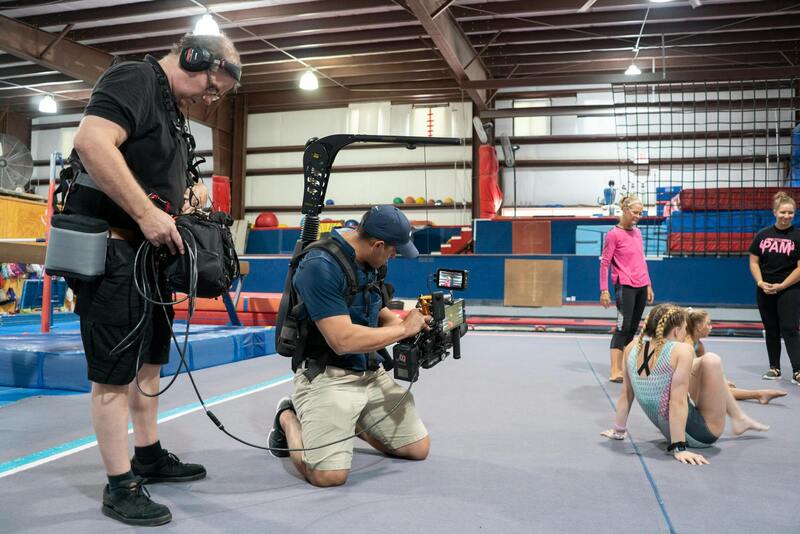
Integrating transcripts and captions into your testimonial video strategy not only demonstrates a commitment to accessibility but also maximizes content utility. When potential clients see that your testimonials are inclusive and easy to understand, it fosters greater trust and credibility. These elements serve as powerful tools within your overall content marketing plan, aiding in search engine optimization and ensuring your message remains clear and impactful across all viewer segments.
Effective Methods for Collecting Authentic Testimonial Video Content
Gathering genuine and impactful testimonial videos from satisfied clients involves a strategic approach that emphasizes professionalism and authenticity. The process begins with establishing clear communication channels, ensuring clients understand the purpose of their testimonial and how it will be used. Personal outreach or guided interviews can help clients articulate their experiences in a structured yet natural manner, capturing authentic narratives that resonate with prospective customers.
Creating a comfortable environment during filming is crucial. Professionals often arrange in-person sessions or virtual interviews that foster trust, allowing clients to share their stories candidly. Providing a simple outline of key points or questions in advance helps clients organize their thoughts, producing content that is coherent and compelling.
Incentivizing participation can also motivate clients to contribute high-quality testimonials. Rewards such as discounts, gift cards, or public recognition signal appreciation and encourage sincerity. It’s essential to honor privacy preferences by obtaining explicit consent for editing, publication, and distribution, reinforcing transparency and ethical standards.
Additionally, leveraging existing customer reviews and feedback can be a valuable source of testimonial video content. Transcribing and converting these written reviews into visual content allows for a diverse range of testimonials that highlight various aspects of your services or products. Collecting a diverse batch of testimonials that reflect different perspectives aids in building a comprehensive and trustworthy narrative for your brand.

Furthermore, integrating after-service follow-ups as part of your customer relationship management encourages ongoing testimonial collection. Customers often appreciate being asked to share their experiences once their initial satisfaction is confirmed. This strategy not only boosts the volume of testimonials but also ensures they are fresh and relevant.
Quality control is vital in the collection process. Reviewing videos for clarity, sound quality, and authenticity before proceeding with editing or publishing helps maintain professional standards. Providing clients with simple tips on video framing, lighting, and audio can enhance overall production value, resulting in testimonials that are polished yet authentic.

By adopting these comprehensive strategies, businesses can secure testimonial videos that not only substantiate their reputation but also engage viewers effectively across multiple platforms. Consistent, authentic testimonial content is a cornerstone of a credible online presence, bolstering trust and influencing potential clients’ decision-making processes.
Maximizing the Effectiveness of Testimonial Video Content
For Miami-based businesses, deploying testimonial videos requires a strategic approach that aligns with the local market's unique characteristics and audience preferences. When creating and leveraging testimonial content, it is essential to focus on authenticity, relevance, and professionalism to resonate deeply with local consumers and enhance brand credibility.
Tailoring Testimonial Content to the Miami Market
Understanding the diverse demographic landscape of Miami allows businesses to select testimonial subjects that reflect a broad spectrum of the community. Showcasing stories from clients across various neighborhoods, cultural backgrounds, and age groups demonstrates inclusivity and broad appeal. This approach helps potential customers see themselves in the testimonials, fostering a stronger connection and trust.
Utilizing local landmarks or familiar settings during testimonial recordings can also enhance viewer engagement. When the environment feels authentic and relatable, it supports a sense of community and credibility. Incorporate local accents, language nuances, and culturally relevant references to strengthen the testimonial's authenticity and relatability.

Leveraging Local Influencers and Community Figures
Integrating local influencers or respected community figures into testimonial videos can significantly amplify reach and impact. These individuals often possess established trust and credibility within their circles, making their endorsement a powerful validation of your brand. Collaborating with such figures in testimonial content can also help access niche markets and foster a sense of authentic community support.
Ensure that the chosen personalities genuinely align with your brand values and have a history of positive engagement with your target audience. Authenticity remains vital; therefore, testimonial narratives should come across as genuine expressions of satisfaction rather than scripted endorsements.

Integrating Testimonials Into Local Marketing Campaigns
To maximize reach, embed testimonial videos across multiple touchpoints within your Miami marketing strategy. Feature them on your website's homepage, service pages, and dedicated testimonial sections. Additionally, share testimonials on social media platforms popular within the local community, such as Instagram, Facebook, and TikTok, in formats tailored for each channel.
Utilize targeted local advertising options to promote testimonial content, ensuring it reaches relevant audiences in specific neighborhoods or demographic segments. Collaborate with local media outlets or community blogs to showcase testimonial stories, further enhancing local visibility and engagement.
Consistency in showcasing authentic customer stories builds a trustworthy brand image that resonates with the Miami community's diverse audience.

Analyzing Feedback and Refining Strategy
Regularly solicit feedback from viewers to gauge the effectiveness of testimonial videos and identify areas for enhancement. Consider metrics such as engagement rates, viewer comments, and direct inquiries resulting from the content. Use this data to refine your testimonial collection approach, focusing on narratives that resonate most powerfully with the Miami audience.
Maintain a continuous cycle of collecting fresh testimonials, updating videos, and adjusting distribution tactics to keep your content relevant and compelling. This dynamic approach ensures that testimonial video content remains a vital tool in your local marketing arsenal, fostering consistent growth, trust, and brand loyalty within the Miami community.