Understanding the Role of an Interview Videographer
An interview videographer plays a crucial role in capturing compelling visual stories through professionally shot interview footage. This specialized skill set requires a combination of technical expertise, artistic sensibility, and an understanding of narrative flow. The primary responsibility of an interview videographer is to document conversations in a manner that preserves the authenticity of the moment while ensuring the footage is engaging and visually appealing for various media platforms, including television, online videos, corporate presentations, and documentaries.
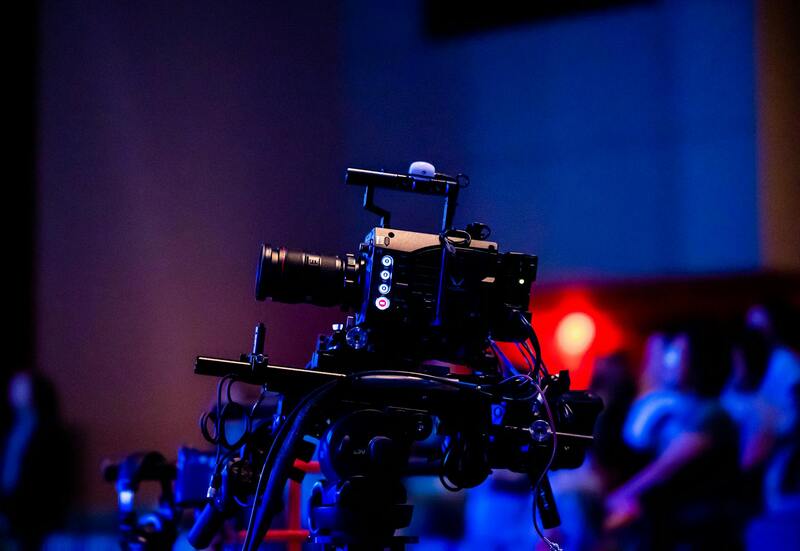
To achieve this, an interview videographer must expertly operate advanced camera equipment, set up lighting that complements the subject’s features, and ensure clear audio capture. They must also be adept at managing the environment—whether in a controlled studio setting or on location—to adapt to different conditions without compromising the quality of the footage. Precision in framing, shot composition, and camera movement helps convey emotion and context, making the final product more impactful.
Beyond technical skills, an interview videographer needs excellent communication and interpersonal skills to create a comfortable environment for the interviewee. This encourages natural dialogue and genuine expressions, which are essential for authentic storytelling. Additionally, familiarity with different interview styles—be it formal, casual, or cinematic—enables the videographer to tailor their approach to meet the client's vision and the project’s goals.
In essence, the role combines technical mastery, aesthetic judgment, and interpersonal acumen. A proficient interview videographer understands how to interpret an interview’s subject matter and craft footage that not only documents the conversation but elevates it, ensuring the final video resonates with viewers and effectively communicates the intended message.
Key Qualifications and Experience to Look For
Hiring an interview videographer requires careful consideration of their professional background and technical expertise. A highly qualified candidate typically possesses a combination of formal training and substantial practical experience in video production, specifically in interview settings. Familiarity with a variety of shooting environments—from controlled indoor studios to dynamic outdoor locations—is essential for adaptable performance. The candidate should demonstrate a solid understanding of camera operation, lighting techniques, and sound recording to ensure footage is clear, well-lit, and free from distractions. Experience in capturing authentic interactions is crucial. An adept interview videographer knows how to establish rapport with subjects, encouraging natural responses that translate into compelling visual narratives. This often involves a keen sense of communication, patience, and the ability to direct or guide subjects subtly. Technical proficiency extends to a facility with editing software, enabling quick turnaround times and the ability to troubleshoot issues in real-time. Familiarity with different media formats and deliverable requirements ensures seamless integration into various distribution channels. Candidates with a track record of producing high-quality interview content for corporate, documentary, or broadcast projects tend to be better equipped to meet diverse client expectations. Professional credentials, such as certifications in video production or specialized training in interview filming techniques, can further distinguish candidates. A reputation for reliability, punctuality, and a keen eye for detail underpin their capacity to deliver consistent results that align with project goals.
Preparing for an Interview Shoot
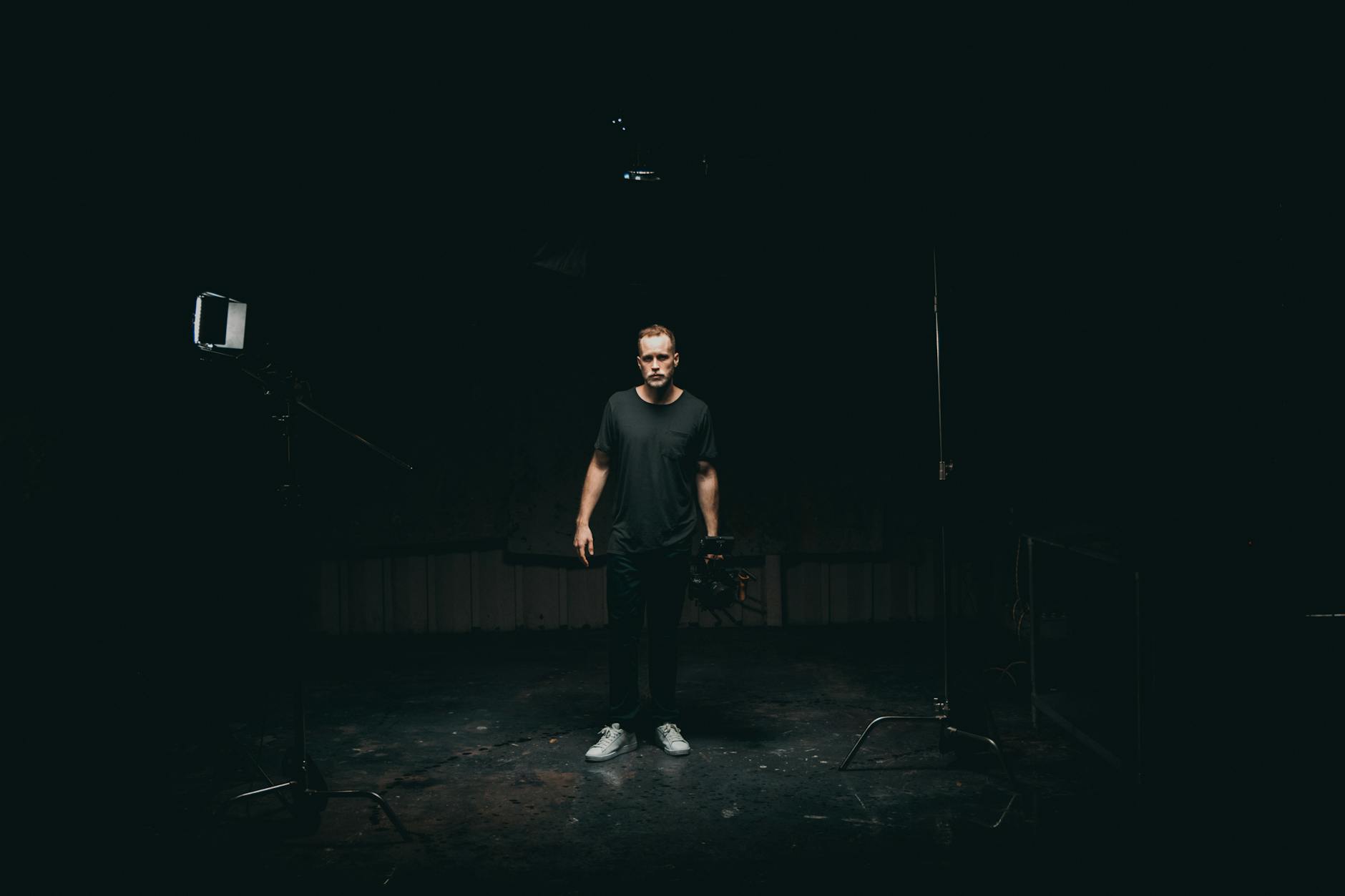
Preparation is the foundation of a successful interview recording. This phase entails a comprehensive planning process, including detailed discussions with clients or directors to understand the objectives of the shoot. Clarifying the intended style, tone, and key messages helps shape the creative approach and technical setup. A thorough site survey is crucial to evaluate lighting conditions, ambient noise levels, and space constraints. This enables the videographer to decide on appropriate equipment and techniques beforehand, minimizing potential disruptions during filming. Creating a shot list or storyboard ensures all necessary visuals are accounted for, streamlining on-site execution. Additionally, reviewing and testing all equipment—cameras, microphones, lighting gear—before arriving ensures functionality and readiness. Communication with subjects prior to filming helps build rapport, reducing nervousness and improving natural responses. Providing clear instructions on positioning and behavior can enhance the authenticity of footage. Overall, meticulous planning and clear communication underpin a smooth, efficient, and productive interview shoot.
Choosing the Right Equipment for Interview Recordings
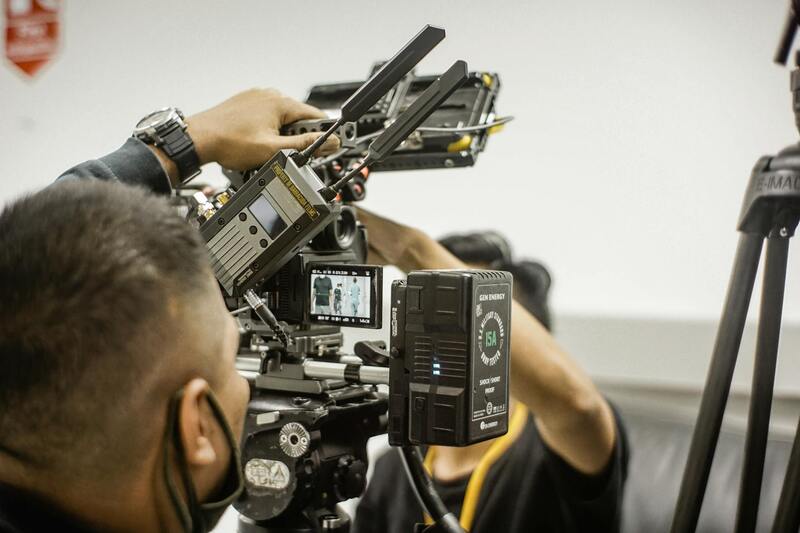
Selecting suitable gear is fundamental to producing professional interview footage. High-definition cameras with versatile lens options allow capturing clear, detailed visuals across varying environments. Features such as autofocus, image stabilization, and adjustable frame rates contribute to achieving consistent, stable shots. Audio quality is equally critical. Employing professional microphones—such as lapel, shotgun, or handheld mics—ensures crisp, isolates speech from background noise. A reliable audio recorder with adequate input channels, coupled with windshields or shock mounts, further enhances sound clarity. Lighting is a key factor in setting the mood and clarity of the shot. Portable LED lights, softboxes, or reflectors help control shadows and create flattering illumination. In scenarios with limited access to power sources, battery-powered or portable lighting solutions are often preferred. Additional accessories, including tripods, gimbals, and backdrop options, aid in stabilizing shots and creating the desired aesthetic. Budget considerations should be balanced with the technical requirements of the project, ensuring equipment choices support both quality output and logistical practicality. Understanding the specifications and capabilities of each piece of equipment enables videographers to adapt swiftly to changing conditions, ensuring that each interview is captured with optimal clarity and professionalism.
Selecting the Appropriate Equipment for Interview Recordings
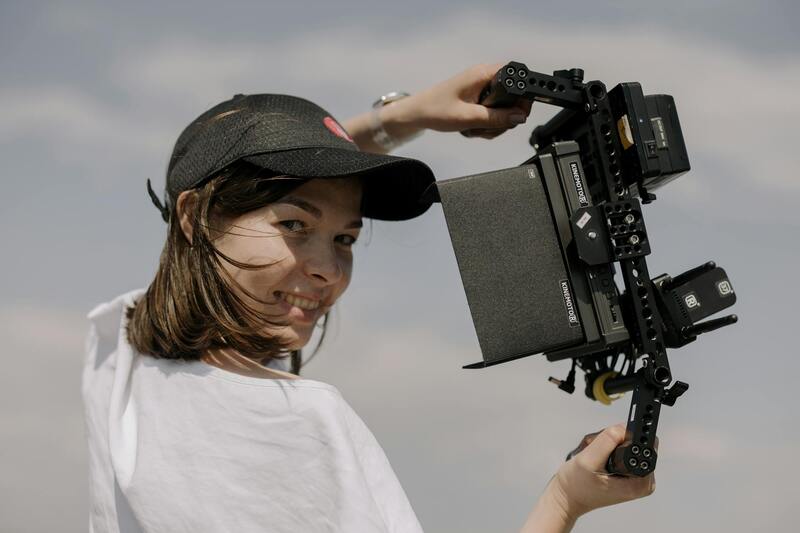
Achieving a professional interview video requires meticulous choices in equipment tailored to the project’s specific needs. Besides high-definition cameras, selecting the right audio recording devices is essential. Wireless microphones, such as lavalier or shotgun mics, provide flexibility and unobtrusive placement, ensuring continuous and clear speech capture. For interviews in dynamic environments, directional microphones help isolate the speaker's voice from ambient noise, thereby enhancing audio clarity.
Lighting equipment must also be carefully chosen to suit the setting. Portable LED panels with adjustable brightness and color temperature are versatile options that accommodate various interview locations. Reflectors and diffusers can be employed to soften shadows and distribute light evenly across the subject’s face, creating a flattering and professional appearance. Battery-powered lighting units are preferable for outdoor shoots or locations lacking direct power access.
Supporting accessories play a significant role. Tripods provide stability for static shots, while gimbals or stabilizers help achieve smooth camera movements during dynamic shots or walkthrough interviews. Backdrop options, including portable screens or fabric backdrops, help create a controlled environment and eliminate distracting elements in the background.
Choosing equipment that balances quality and logistical practicality is vital. Investing in durable, reliable gear minimizes technical disruptions during shoots. Additionally, considering the environment—be it indoor or outdoor, controlled or unpredictable—guides equipment selection, ensuring the final footage meets high standards of clarity and professionalism.
Technical Considerations for Equipment Performance
Understanding the specifications of each device is crucial. Frame rates, resolution capabilities, and audio input options influence the final output quality. Equipment with versatile features allows videographers to adapt to various scenarios efficiently, maintaining consistency across multiple shoots. Furthermore, having backup batteries, memory cards, and audio accessories all contributes to seamless production processes.
Note that certain shoot conditions demand specialized gear such as waterproof or rugged equipment for outdoor filming, or silent, motionless cameras for discreet recording in sensitive environments. Consultation with clients about potential challenges and expected environments ensures preparedness and aligns equipment choices with project goals.
Executing the Shoot: Techniques and Best Practices
Achieving visually compelling and technically flawless interview videos requires meticulous execution of shoot techniques that enhance the subject's presentation while maintaining a professional appearance. An interview videographer must employ specific strategies to ensure consistency, clarity, and engagement throughout the session.
Optimizing Camera Angles and Framing
Effective framing involves adhering to the rule of thirds, positioning the subject slightly off-center to create a balanced composition. Close-up shots should focus on facial expressions to capture emotional nuance, while mid-shots provide contextual background. Maintain eye-level camera angles to foster a direct, personal connection between the interviewee and viewers, avoiding unnatural tilts or low angles that could distract or diminish authority.
Controlling Lighting Conditions
Lighting plays a pivotal role in emphasizing the subject and reducing unflattering shadows. Soft, diffused light sources are preferred to achieve a natural look. When shooting indoors, use key lights and fill lights carefully to illuminate the face evenly, avoiding overexposure. In outdoor settings, consider the natural light, time of day, and weather conditions. Reflectors and portable diffusers can help sculpt light optimally in variable environments.
Capturing Quality Audio
Clear, crisp audio enhances the professionalism of the final video. Use shotgun microphones or lavalier microphones positioned close to the interviewee to minimize background noise. Conduct sound checks prior to recording, adjusting levels to prevent distortion or audio clipping. Eliminating ambient sounds and wind interference is essential, especially during outdoor shoots, which can be achieved through the strategic use of windshields and soundproofing accessories.
Managing the Environment
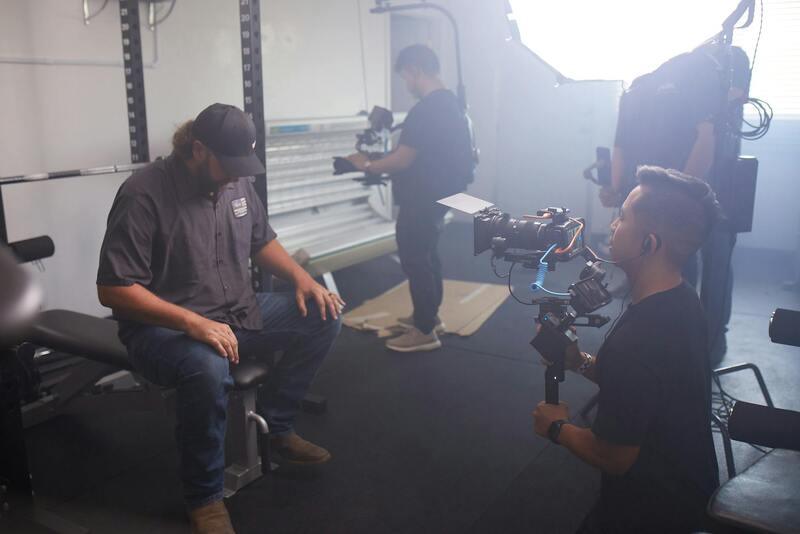
A controlled environment reduces unforeseen disruptions. For indoor locations, ensure adequate space for camera and lighting setups, and eliminate background noise. For outdoor shoots, select locations with minimal weather-related issues, and schedule during times when ambient noise is low. Set up safety measures for equipment to prevent accidents, especially when working in busy or unpredictable environments.
Engaging the Subject and Building Rapport
Creating a comfortable atmosphere encourages natural responses from the interviewee. Begin with casual conversations to ease nerves, communicate clearly about the process, and provide cues during recording to guide expressions and responses. Maintaining eye contact and providing positive feedback helps cultivate authenticity, ensuring the footage captures genuine insights.
Real-Time Monitoring and Adjustment
Continuous monitoring of footage during the shoot allows for immediate corrections. Use external monitors to check framing, focus, and lighting throughout the session. If issues are detected — such as a distracting background element or audio imbalance — address them promptly to avoid reshooting, which saves time and resources.
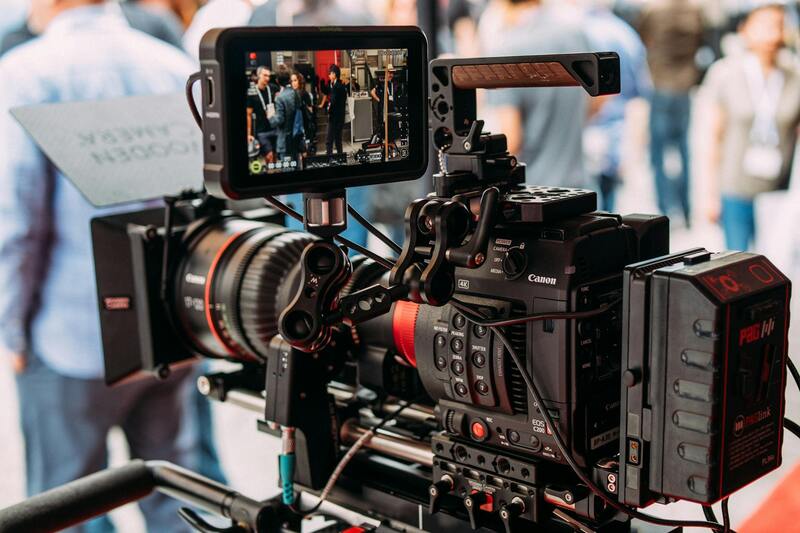
By adhering to these practices, interview videographers can deliver content that not only meets technical standards but also resonates emotionally with viewers, effectively conveying the intended message and engaging the target audience.
Choosing the Right Equipment for Interview Recordings
Investing in appropriate equipment is essential for capturing professional-grade interview footage. The selection process begins with understanding the specific requirements of your shoot, including location, lighting conditions, and the desired aesthetic. High-definition cameras capable of recording in at least 1080p or 4K ensure clarity and future-proof your content, making it suitable for multiple platforms and audiences.
Audio quality often exceeds visual quality in importance, as poor sound can undermine the entire interview. Utilizing lavalier microphones, shotgun mics, or wireless systems helps capture clear, dialogue-focused audio while minimizing ambient noise. External audio recorders can also be used to ensure you get the best possible sound, especially in challenging environments.
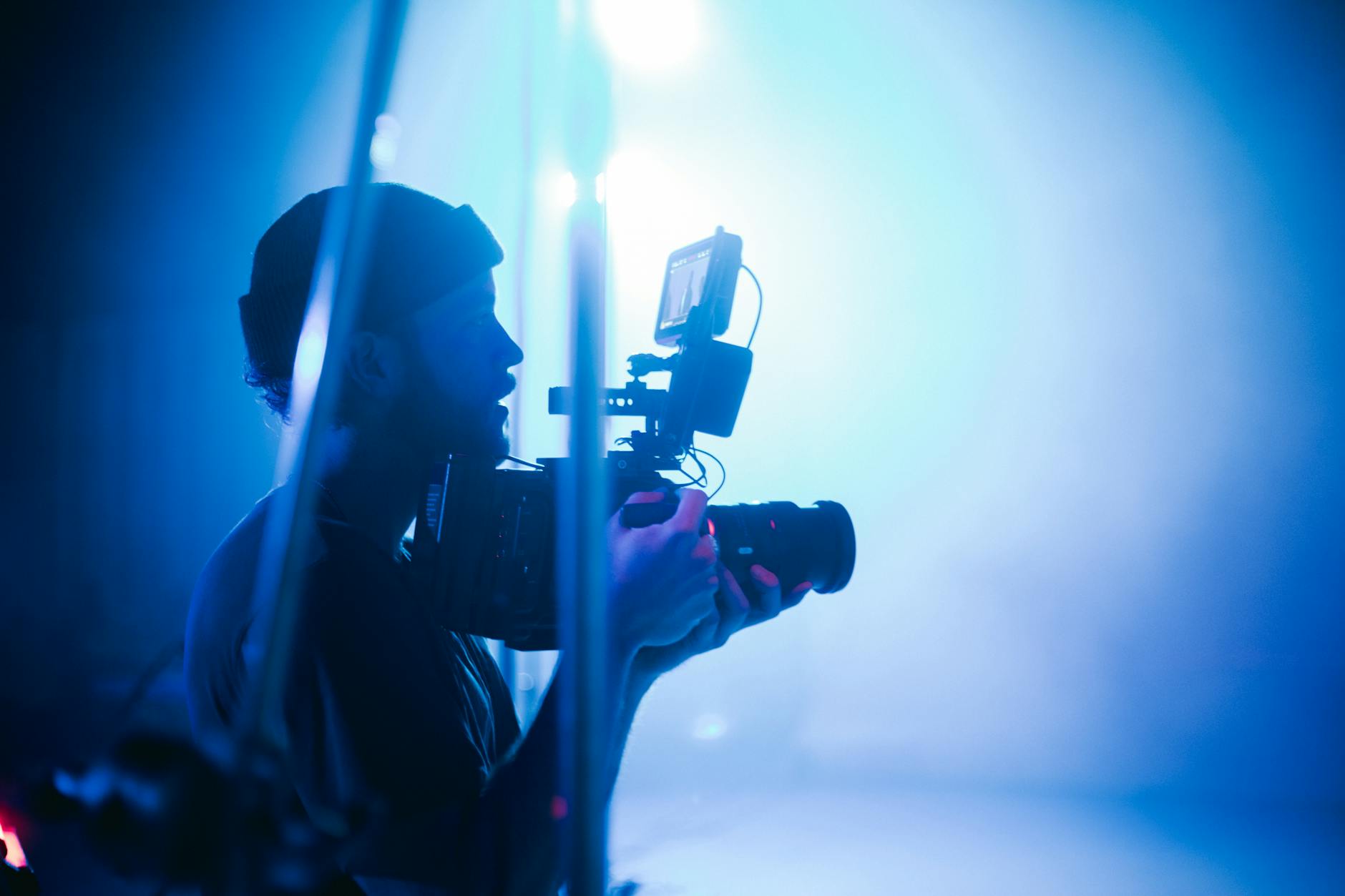
Lighting plays a crucial role in setting the tone and mood of the interview. Using soft, diffused lights such as ring lights or softboxes provides even illumination, reducing shadows and highlighting facial expressions naturally. For outdoor shoots, reflectors and portable LED panels adapt to changing light conditions, ensuring the subject remains well-lit regardless of weather or time of day.
Stability is also key; tripods, gimbals, or steadicams help maintain smooth footage, prevent shaky visuals, and facilitate professional framing. Lens choices, such as wide-angle or portrait lenses, influence the depth of field and overall aesthetic, allowing videographers to customize the look based on the project’s style.
Finally, backup batteries, high-capacity storage cards, and proper cable management ensure continuous recording without interruptions. Proper preparation and quality gear significantly contribute to the efficiency of the shoot and the quality of the final product.
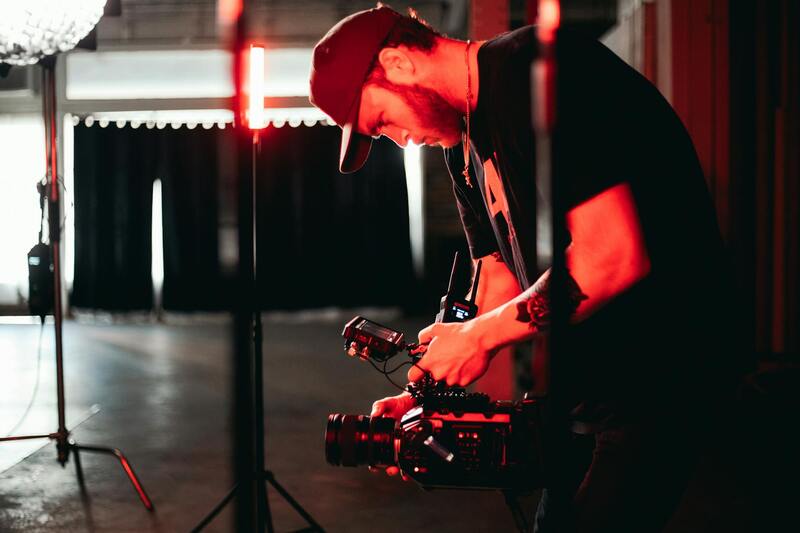
Prior to the shoot, a detailed equipment checklist helps verify all necessary items are available and functioning. Regular testing of gear reduces the risk of technical failures during recording. By choosing reliable, professional-grade equipment tailored to your project, you ensure the footage captured is crisp, clear, and compelling, standing out in a competitive media landscape and effectively communication your message to viewers.
Legal and Ethical Considerations
When conducting an interview videography project, adhering to established official procedures is essential to ensure a smooth and legally sound production process. This encompasses obtaining the necessary permissions, respecting consent protocols, and maintaining transparency with all parties involved. Professional videographers should familiarize themselves with local regulations regarding filming permissions, especially when shooting in public spaces or private properties. Acquiring official permits in advance helps prevent potential interruptions or disputes during the shoot.
Ensuring that all interview participants have granted explicit consent to be recorded and that they understand how the footage will be used is critical. Proper documentation, such as signed release forms, provides clarity and protects both the videographer and the client from future misunderstandings. Transparency about recording procedures and usage rights fosters trust, promotes professionalism, and aligns with best practices.
Furthermore, audio and visual recording should be conducted in adherence to standards that prevent infringement on individuals' rights. Respecting privacy boundaries, avoiding intrusive filming techniques, and being aware of sensitive content are part of the ongoing commitment to ethical standards in videography. Clear communication with interviewees about the scope of the project and their automated rights ensures a cooperative and respectful working environment.
Effective management of data security is another vital aspect. Storing footage securely, limiting access to authorized individuals, and properly archiving materials help in protecting the integrity of the content and prevent unauthorized dissemination. Implementing official methods for data handling and respecting intellectual property rights are fundamental to maintaining a reputable professional profile.
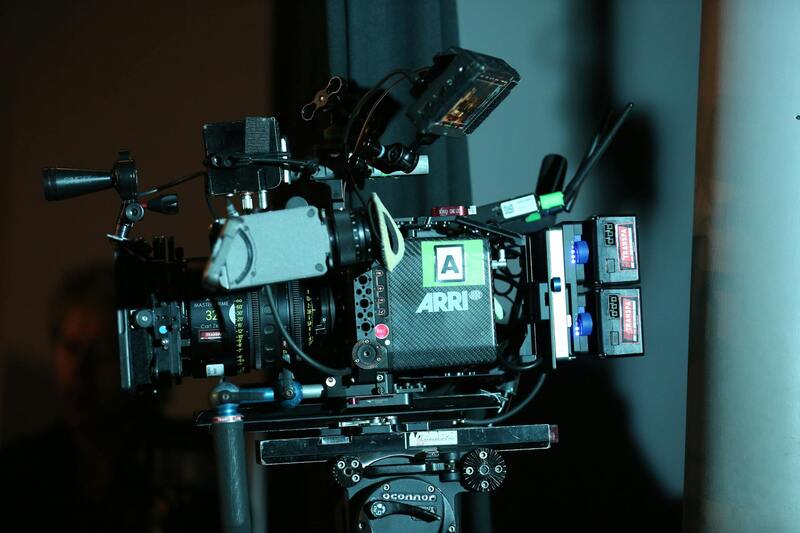
Understanding the Role of an Interview Videographer
An interview videographer specializes in capturing compelling visual narratives that effectively communicate the interviewee's message and personality. This role involves a comprehensive understanding of camera operation, lighting, sound recording, and how to create an environment conducive to genuine conversations. Their primary objective is to deliver high-quality footage that aligns with the client's goals, whether for corporate communication, documentary storytelling, or promotional content.
Interview videographers are tasked with more than just operating a camera; they are responsible for establishing rapport with interviewees to promote comfort and authenticity. They must adapt to different settings, from controlled studio environments to dynamic on-location shoots, ensuring technical consistency and visual clarity. Their expertise extends to framing, staging, and utilizing technical equipment to produce visually engaging content.
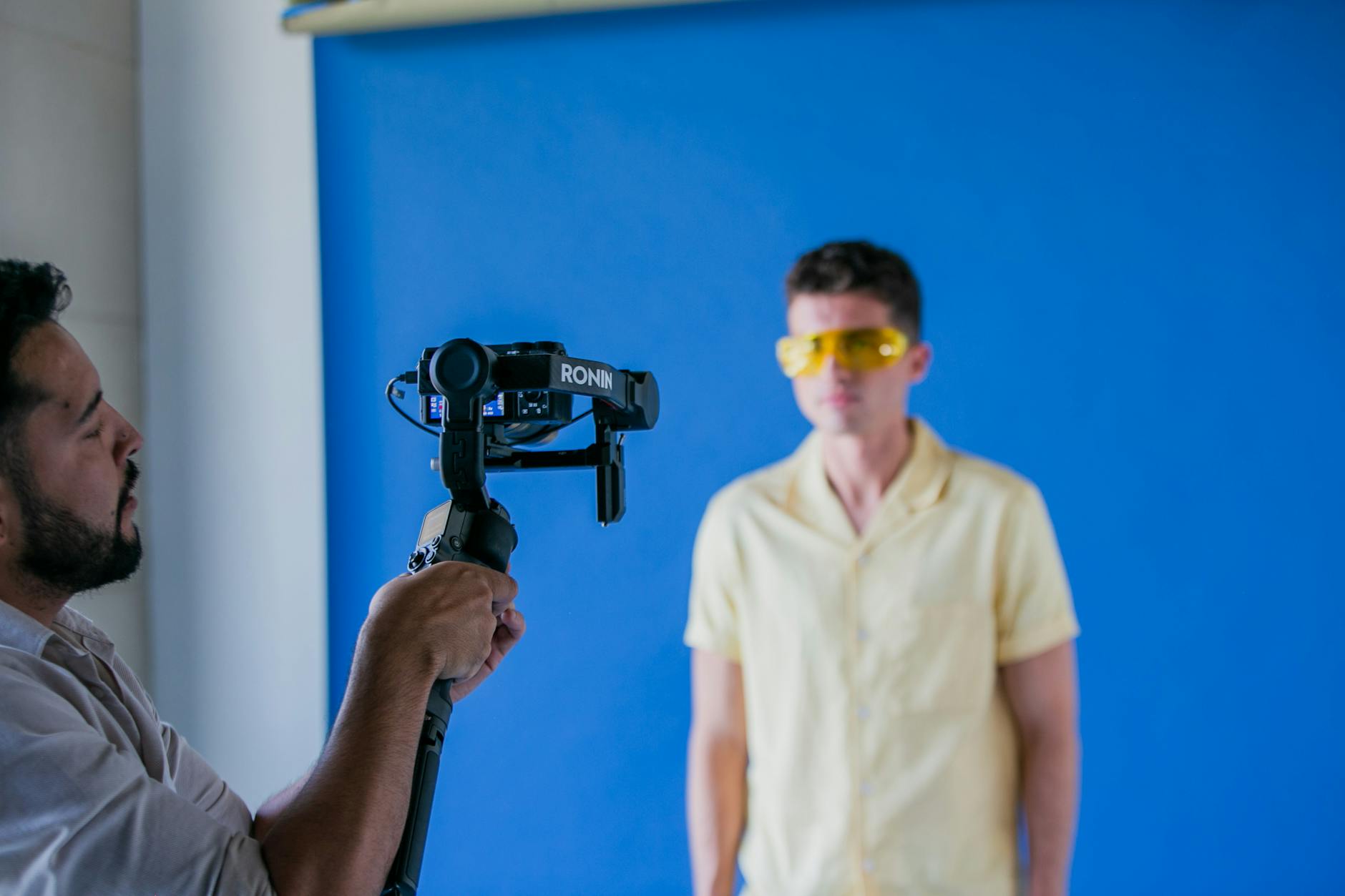
Key Qualifications and Experience to Look For
When evaluating an interview videographer, it’s essential to consider their technical proficiency and portfolio of past projects. Proven experience with various recording environments and subjects demonstrates versatility and preparedness for unforeseen challenges. Strong understanding of lighting techniques, sound quality, and framing essentials ensures the fidelity of captured footage.
Certifications in videography or multimedia production can serve as indicators of a professional’s dedication to their craft and adherence to industry standards. Additionally, familiarity with the latest camera models and editing software ensures they can utilize state-of-the-art tools to achieve optimal results.
Effective communication skills are also vital, as they facilitate collaboration with clients and interviewees, helping to clarify project objectives and manage expectations. A portfolio showcasing diverse interview styles and formats will give insight into their creative approach and technical expertise.
Preparing for an Interview Shoot
Preparation forms the foundation for a successful interview recording. This process involves detailed planning, including selecting the appropriate location, organizing necessary equipment, and establishing a clear shoot schedule. Conducting pre-shoot consultations with clients helps identify key themes, desired outcomes, and any special considerations.
Site assessment is crucial to identify optimal lighting conditions, soundproofing opportunities, and background elements that align with the intended narrative. Additionally, creating a shot list and framing diagrams streamlines the shoot process, minimizing disruptions and ensuring all essential footage is captured.
Coordination with interviewees ahead of time guarantees their comfort and understanding of the process, reducing off-guard reactions that could affect authenticity. It’s also important to prepare backup equipment and review technical settings to handle potential issues proactively.
Choosing the Right Equipment for Interview Recordings
Selecting appropriate equipment is fundamental to achieving professional-quality interview footage. High-definition cameras capable of capturing crisp visuals should be complemented by adequate lighting kits that provide even illumination without creating harsh shadows. Softbox lights, LED panels, and diffusers help maintain a flattering and natural look.
Audio quality is equally critical; using lavalier microphones, shotgun mics, or stereo recorders ensures clear sound capture while minimizing background noise. Soundproofing elements or controlled environments can further enhance audio fidelity.
Tripods, stabilizers, and adjustable mounts facilitate steady framing and allow for versatile camera angles. Additionally, having spare batteries, memory cards, and connectivity accessories ensures continuous recording and reduces the risk of technical failures.
Executing the Shoot: Techniques and Best Practices
During the shoot, establishing a comfortable environment is necessary to elicit authentic responses. The videographer should monitor technical parameters continuously, making adjustments to lighting and sound as needed. Framing should focus on capturing the interviewee's expressions and gestures, adding depth to the storytelling.
Incorporating multiple shot types, such as close-ups, medium shots, and wider angles, provides flexibility in editing. Maintaining consistent eye lines and avoiding distracting backgrounds enhances visual coherence.
Effective communication during filming ensures the interviewee remains relaxed and natural. Periodic rechecking of audio levels and visual focus is essential, especially during extended sessions. Capturing B-roll footage of the environment or relevant objects adds context and visual interest.
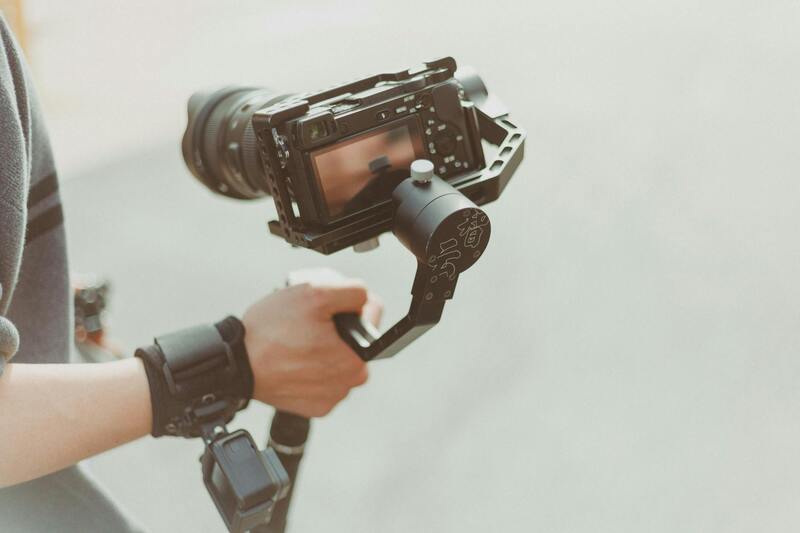
Post-Production Editing and Finalizing Footage
Post-production involves organizing raw footage, selecting the most compelling segments, and refining audio-video synchronization. Color correction and grading enhance visual appeal, ensuring the footage aligns with the desired aesthetic and mood.
Sound editing includes cleaning up background noise, leveling audio tracks, and adding any necessary voiceovers or music. Consistency in audio levels across different shots maintains professionalism.
Once editing is complete, reviewing the final product with clients allows for feedback and adjustments before delivery. Exporting the footage in appropriate formats ensures compatibility across various platforms, whether for online distribution, presentation, or archival purposes.
Understanding the Legal and Ethical Considerations
Arranging a professional interview shoot involves meticulous attention to legal and ethical standards that govern the capturing and use of video footage. Clearly, establishing comprehensive agreements with clients and interviewees is fundamental. These agreements should delineate the scope of filming, intended usage, and distribution rights, ensuring that all parties are fully aware of how the footage will be employed. Such documentation minimizes misunderstandings and fosters transparency.
Securing consent from interviewees is a crucial step before filming begins. This process typically involves obtaining written authorization that confirms the individual's acknowledgment of the recording activities and their agreement to the intended use of their image and voice. Respect for personal privacy and autonomy is paramount, and professionals adhere strictly to practices that honor these principles.
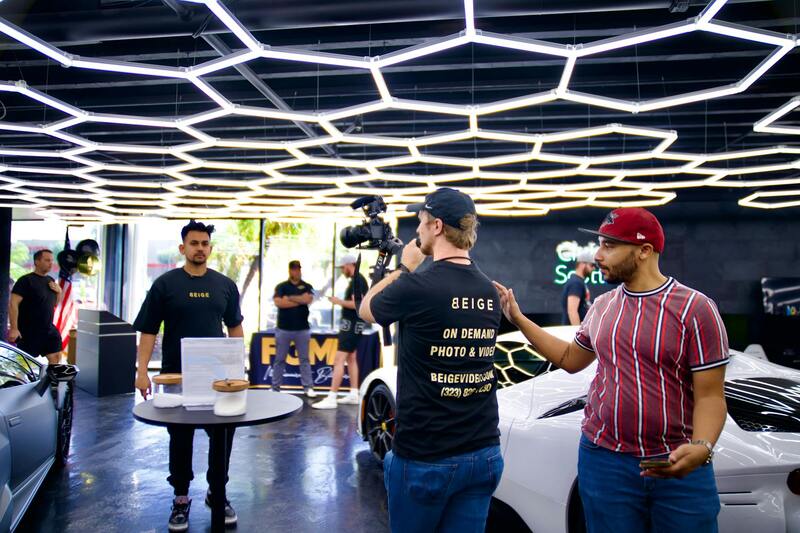
In addition to consent, maintaining integrity throughout the production process involves truthful representation. This means avoiding manipulation or misrepresentation of the interview content in editing or publishing. When creating a narrative, it’s essential to present the interviewee’s words and expressions accurately, avoiding alterations that could distort the original message or intent.
Content creators who produce interview videos must also be mindful of copyright laws relating to music, images, and other media integrated into the final product. Using licensed or original content ensures compliance and prevents potential legal conflicts. When incorporating external materials, proper attribution and licensing agreements should be in place.
Another important aspect relates to the use of location and property rights. Filming in private spaces requires permissions or permits from property owners or managers. This ensures the shoot proceeds smoothly without infringing on the rights of others or disrupting the environment.
Ethical editing practices involve transparency with clients about post-production processes. Sharing the final cut for review and approval before public release ensures that all stakeholders agree with the portrayed content, maintaining trust and professionalism throughout the project.
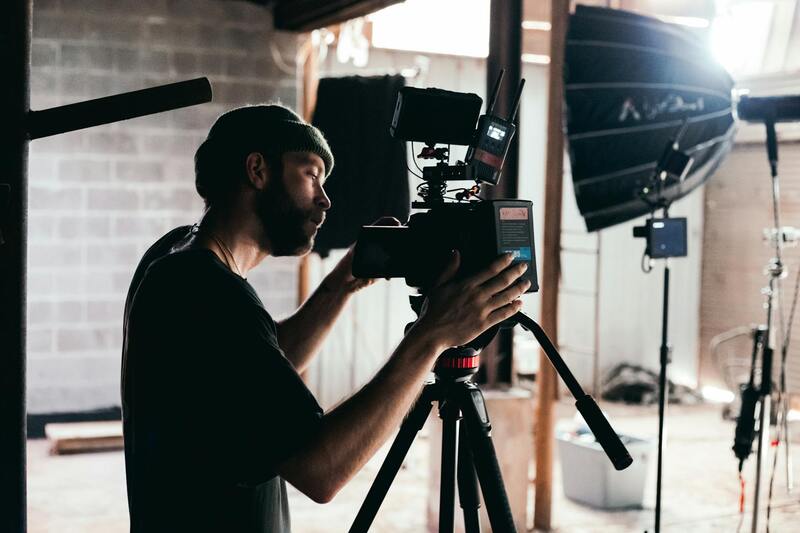
Lastly, documenting the entire production process and maintaining organized records of permissions, releases, and related correspondence provides a verifiable trail of compliance. This diligence not only upholds industry standards but also builds a reputation for quality and responsibility, essential qualities for a reputable interview videographer in Miami or any other location.