Understanding Video Testimonials and Their Value
In the competitive landscape of Miami's local businesses, establishing trust and credibility with potential customers is fundamental to long-term success. One highly effective method of achieving this is through the use of video testimonials. These are authentic recordings of satisfied customers sharing their positive experiences with a business’s products or services. When executed professionally, video testimonials serve as compelling proof of quality and customer satisfaction, enabling businesses to connect more personally with their target audience.
Video testimonials differ from written feedback by providing visual and auditory cues that enhance emotional engagement. Viewers can see genuine expressions and hear authentic voices, which significantly amplifies the impact of the message. As a result, potential customers are more inclined to trust the testimonials, perceiving them as honest recommendations from real individuals rather than scripted marketing pitches.
For Miami-based businesses striving to stand out in a vibrant, multicultural market, video testimonials offer an invaluable tool to demonstrate community presence, local expertise, and customer satisfaction. These videos can effectively highlight unique selling points, showcase products in real-life settings, and reinforce brand reliability. The power of visual storytelling ensures that the essence of a positive customer experience is captured vividly, making it an influential element in the decision-making process of prospective clients.

By leveraging high-quality video testimonials, local Miami businesses can foster trust, enhance brand reputation, and ultimately drive sales. This cornerstone of customer engagement depends heavily on the authenticity of content, the clarity of messaging, and the professionalism of production. Recognizing their value is the first step toward developing a comprehensive marketing strategy that aligns with the expectations of today's consumers, who seek transparency and genuine connections with brands.
Key Elements of Effective Video Testimonials
Creating impactful video testimonials requires meticulous attention to several core components that ensure authenticity and resonance with viewers. First and foremost, genuine customer stories form the foundation. Authenticity is crucial; viewers can easily discern scripted or overly polished testimonials, which can diminish credibility. Successful testimonials feature real clients recounting their experiences naturally and sincerely, which instantly builds trust.
Another vital element is clarity of message. The testimonial should clearly communicate the specific problem the customer faced, how the product or service provided a solution, and the tangible results achieved. This narrative flow helps potential customers relate to the experience and visualize themselves benefiting in a similar manner.
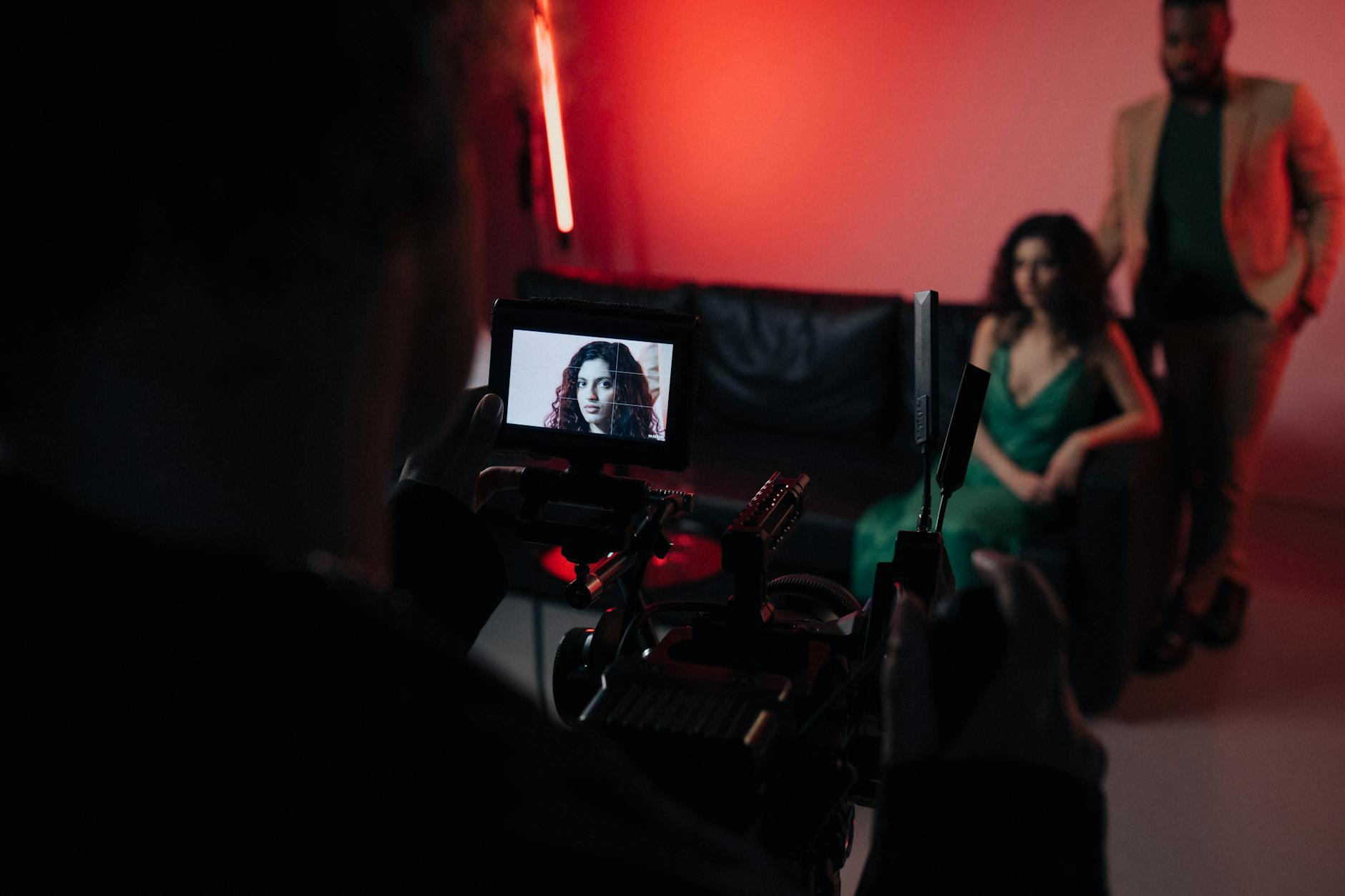
Professional production value plays a significant role in enhancing trust and engagement. High-quality audio and video ensure clarity, while thoughtful lighting and framing highlight the subject's expressions and body language, reinforcing authenticity. Additionally, well-edited testimonials that are concise yet comprehensive maintain viewer interest without diluting essential messages.
Incorporating visuals, such as product shots or situational context, further enriches the story, making it more relatable and memorable. When customers share their experiences in settings relevant to the target market—like Miami’s vibrant local environment—it underscores the brand's integration within the community.

Furthermore, the call-to-action at the end of the video should be subtle yet effective, encouraging viewers to engage further without disrupting the narrative flow. Ensuring the testimonial reflects diverse customer segments can broaden appeal and demonstrate widespread satisfaction. Lastly, subtitles and closed captions enhance accessibility, allowing viewers to engage with content in various contexts and environments. When these key elements are thoughtfully integrated, a video testimonial becomes a compelling tool that elevates brand credibility and fosters deeper connections with prospective clients.
Ensuring Authenticity and Credibility in Video Testimonials
Creating effective video testimonials hinges on authenticity, which resonates deeply with viewers and strengthens trust in your brand. Authenticity is achieved when testimonials reflect genuine customer experiences, conveyed in their own words and natural mannerisms. It's essential to select customers who are truly satisfied and willing to share their honest opinions. This transparency not only enhances credibility but also fosters emotional connections that can significantly influence potential clients.
To ensure authenticity, the production process should emphasize minimal scripting. While guiding interview questions to cover key messages, the natural flow of conversation allows customers to express their thoughts freely. Moreover, capturing testimonials in real-life environments relevant to the customer's experience—such as a Miami beachfront, a professional office, or a retail setting—adds contextual authenticity. Viewers can relate more readily to situations that mirror their own potential experiences or aspirations.

Incorporating detailed customer backgrounds can further deepen the connection. When viewers understand the customer's journey, challenges, and how your product or service made a difference, it creates a compelling narrative. Ensuring high production standards—such as clear audio, optimal lighting, and professional editing—also contributes to perceived authenticity. Sharp visuals and crisp sound reinforce that the testimonial is a serious endorsement, not just casual footage.
Maintaining transparency about the customer's experience without exaggeration builds trust. This entails avoiding over-polished scripts or overly scripted responses, which can appear inauthentic. When testimonials are candid and unfiltered, they tend to be more persuasive, especially when combined with visuals that depict actual customer settings or interactions.
Legal and Ethical Considerations for Video Testimonials in Miami
Securing clear, documented consent from customers before filming is vital. Written agreements should outline how the testimonial will be used, ensuring that customers understand the scope of the content's dissemination. Respecting customer privacy and rights reinforces your company's integrity and ethical standards. It is advisable to inform customers about the potential reach of the video, including online and social media platforms.
Respecting the authenticity of customer stories entails refraining from editing testimonials in a way that alters their intended message or misrepresents their viewpoint. When editing, maintain the original tone and content, ensuring the customer's voice remains genuine and unaltered. Properly attributing testimonials to their respective customers, along with their consent, demonstrates professionalism and compliance with ethical standards.

Additionally, compliance with local regulations and industry best practices is crucial for fostering trust and credibility. Clearly communicate your commitment to transparency and honesty, providing viewers with a clear understanding of the testimonial's origin. When these ethical standards are maintained, your video testimonials can serve as trustworthy endorsements that genuinely reflect customer satisfaction and enhance your brand image within Miami's competitive marketplace.
Best Practices for Filming and Securing Video Testimonials in Miami
When producing authentic and impactful video testimonials, the process begins with meticulous planning and adherence to professional standards. Start by selecting a comfortable, distraction-free environment, ideally within the customer’s place of business or a neutral location that resonates with your brand identity. This setting not only enhances the authenticity of the testimonial but also helps customers feel at ease during filming, resulting in more genuine responses.
It is essential to prepare a list of focused interview questions tailored to highlight the specific benefits and experiences relevant to your products or services. These questions should encourage detailed, specific responses that tell a compelling story without leading the customer or overly scripting their narration. A skilled videographer knows how to frame shots that emphasize facial expressions and body language, which are critical for conveying sincerity and enthusiasm.

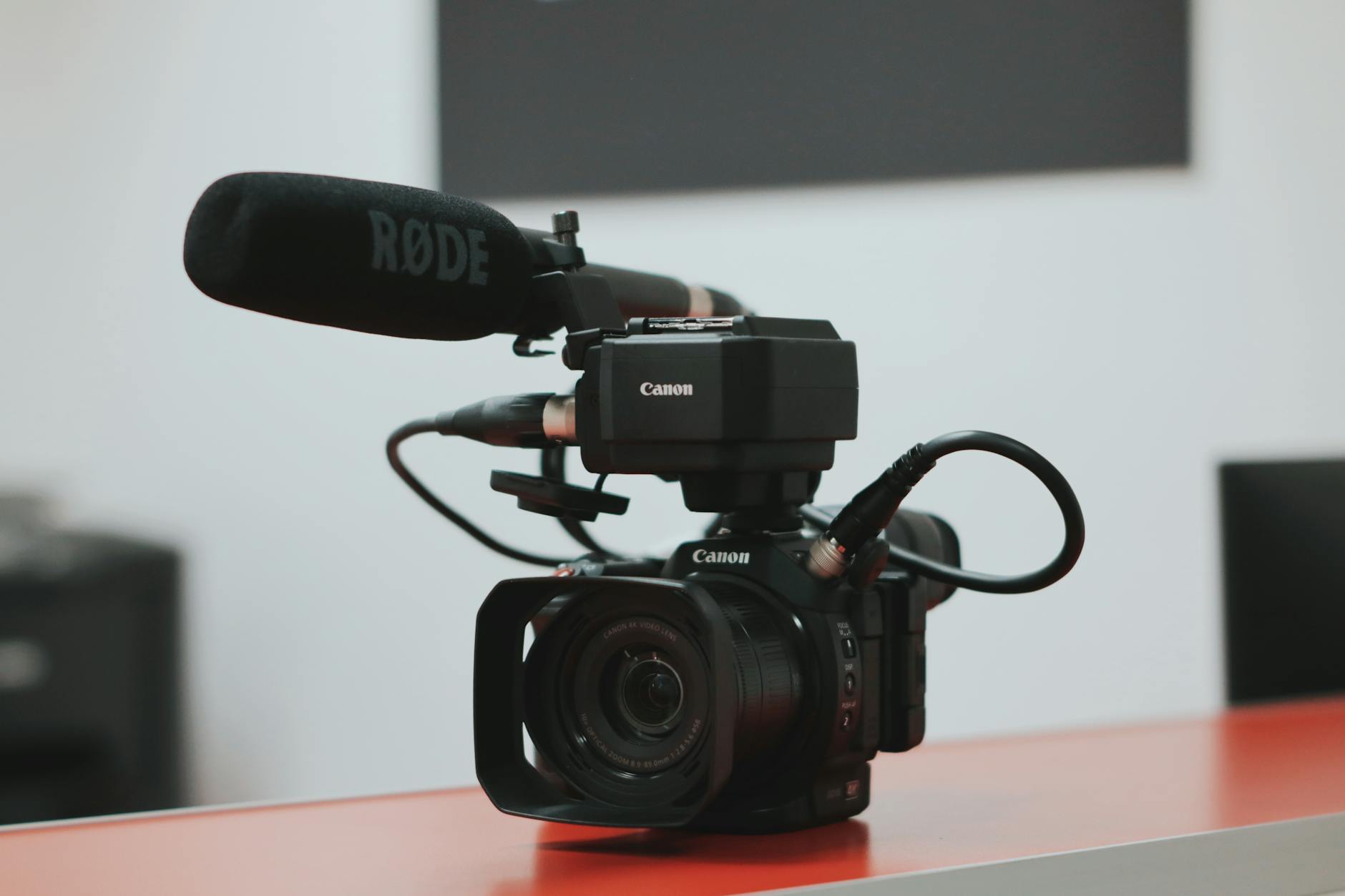
Exceptional audio quality is non-negotiable; clarity ensures viewers fully grasp the customer’s message. Using lapel microphones or directional microphones minimizes background noise common in busy Miami environments, such as storefronts or outdoor locations. Proper lighting, preferably natural light or portable LED setups, enhances visual clarity and portrays customers in the most flattering way.
Before recording, obtain comprehensive photographic and video consent from customers through signed agreements that specify the intended use and distribution of the footage. This documentation affirms your respect for customer rights and provides a clear framework for the project. It is equally important to inform clients about the distribution channels for their testimonials, including social media, website features, or industry events. During filming, maintain a conversational tone and foster a relaxed atmosphere. Authenticity thrives when customers share their experiences spontaneously, not when they respond to overly rehearsed prompts. Real stories, shared in an unscripted manner, resonate more effectively with prospective clients and strengthen your brand image.
Post-Production Editing and Ethical Considerations
In the editing phase, preserve the integrity of the customer’s message. It is crucial to avoid excessive trimming or alterations that could change the narrative’s original meaning. Simple edits that involve color correction, sound balancing, and removing minor distractions help enhance professionalism without compromising authenticity. Attribution of testimonials to individual customers should be clear and transparent, including any necessary contextual information such as their name, role, or affiliation, with explicit consent. Avoid making any false claims about the customer’s endorsement or experience, maintaining honesty throughout the content.
Respect for customer privacy extends to how testimonials are shared across channels. Ensure that each piece of content aligns with the agreed-upon scope, whether for online marketing, social media, or industry presentations. Protecting these rights bolsters your reputation and encourages ongoing customer engagement.
Implementing Ethical and Professional Standards in Video Testimonials
Adhering to professionally accepted methods is fundamental in establishing trust with your audience. Clearly communicate your commitment to transparency about how testimonials are produced and used. Disclose any involvement in the filming process and provide access to the original unedited footage if requested. This openness demonstrates integrity and helps cultivate confidence among viewers.
Additionally, complying with regional regulations and industry best practices creates a robust framework that supports consistent, ethical marketing efforts. These standards reinforce your company's credibility, ensuring that every testimonial acts as a genuine reflection of your customers’ genuine experiences in Miami's dynamic business landscape.
Ensuring Authenticity and Transparency in Video Testimonials
When selecting a service for capturing video testimonials, it is vital to prioritize methods that emphasize the authenticity of each endorsement. Authentic testimonials resonate more profoundly with potential customers, fostering trust and credibility that can greatly influence purchasing decisions. A reputable Miami-based video testimonials service should implement structured procedures to guarantee genuine interactions and disclosures with clients.
Clients should be thoroughly briefed on the purpose of the testimonial, the intended use platforms, and their rights concerning the produced content. Consent must be explicitly obtained, with clear documentation explaining how their footage will be used, ensuring the process aligns with professional standards of honesty and respect for personal privacy. This level of transparency demonstrates a commitment to integrity, which enhances the reputation of both the service provider and your business.
Moreover, an ethical approach involves showing actual customer experiences without exaggeration or embellishment. The recorded testimonials should reflect the true sentiments of clients, and editing processes should focus solely on clarity and quality enhancement, avoiding manipulation that could distort the original message. This commitment to authenticity helps establish a trustworthy image that customers in Miami can rely on when considering your offerings.

Best Practices for Content Quality and Compliance
Achieving high-quality visual and audio production is essential in crafting compelling testimonials. Clear visuals with professional framing, lighting, and sound quality ensure the viewer remains engaged and perceives the endorsement as credible. An experienced Miami video production team employs sophisticated equipment and techniques to capture genuine expressions and speech naturally, strengthening the testimonial's impact.
Compliance with regional and industry standards for content creation is equally important. This includes adhering to accepted guidelines regarding disclosure of sponsorship or endorsement relationships, especially when testimonials relate to products or services with specific regulatory requirements. Transparency about the context of the endorsement offers reassurance to viewers, reinforcing your business's commitment to responsible marketing practices.
Additionally, respectful handling of customer information and clear communication regarding privacy considerations foster ongoing trust. Using consent forms and providing access to raw, unedited footage upon request are practices that further demonstrate ethical standards. These measures ensure that each testimonial remains an honest reflection of genuine customer experiences, which is particularly vital in Miami’s diverse and discerning marketplace.

Key Considerations for Partnering with a Miami Service Provider
When choosing a local agency for video testimonials, consider their portfolio and reputation within the Miami community. A seasoned provider should showcase a variety of testimonials across different industries, demonstrating versatility and expertise. Their approach should prioritize creating videos that capture authentic customer voices and highlight real experiences, avoiding scripted or overly polished content that might seem insincere.
Another critical factor is their adherence to professional and ethical standards, including transparent communication about their process, clear contractual agreements on content rights, and a proven track record of delivering results that align with client objectives. Local knowledge and familiarity with Miami’s unique cultural landscape also play a significant role in crafting testimonials that resonate with your target audience.
Effective collaboration and ongoing consultation during the production process are essential in ensuring the final product authentically represents your brand while honoring your clients' perspectives. An ideal Miami-based testimonial service will balance professionalism with authenticity, creating compelling visual stories that drive engagement and build trust within the local community.
Steps in Creating a Successful Video Testimonial Campaign
Implementing a strategic approach to developing effective video testimonials involves multiple carefully coordinated steps that ensure authenticity, engagement, and impactful storytelling. Starting with clear planning, each phase of the campaign must be designed to reflect the core message of your brand while highlighting genuine customer experiences.
1. Define Your Objectives
Establish specific goals for your testimonial campaign. Whether the objective is to boost brand credibility, increase conversions, or showcase particular services, clarity at this stage helps steer all subsequent activities. Clear objectives also facilitate measuring success later.
2. Identify Ideal Participants
Choose satisfied customers or clients who exemplify the qualities and results your brand aspires to convey. Opt for individuals who are comfortable speaking on camera and whose stories align with your target audience’s preferences and values.
3. Develop Interview Questions and Content Framework
Craft thoughtful interview questions that elicit authentic responses. Focus on open-ended prompts that allow participants to share their experiences in their words. The framework should emphasize key themes such as problem-solving, benefit realization, and overall satisfaction.

4. Coordinate the Production Schedule
Schedule filming sessions at convenient times and locations for participants, preferably in familiar settings to elicit natural reactions. Consider adding multiple filming sessions to capture a range of perspectives and stories, thereby enriching the testimonial portfolio.
5. Prioritize High-Quality Production
Engage professional videographers and editors with experience in creating compelling testimonial content. Ensure the technical aspects—including lighting, sound, and framing—highlight the authenticity of each story while maintaining a polished visual appeal. High production standards help reinforce the credibility of your testimonials.
6. Gather and Edit Content Thoughtfully
During editing, focus on preserving the natural tone and genuine expressions of the participants. Include relevant visuals, product shots, or service demonstrations that complement verbal testimonials. Subtle branding, such as logo placement or consistent color schemes, aids in reinforcing brand identity without distracting from the authentic storytelling.
7. Obtain Participant Consent and Ensure Ethical Use
Secure explicit permissions from participants regarding the use and distribution of their testimonials across various channels. Clearly communicate how their content will be utilized, respecting their privacy and comfort levels. Ethical practices foster trust and encourage genuine engagement from your audience.
8. Implement Multichannel Distribution
- Share videos on your official website, dedicated landing pages, and email campaigns to maximize reach among engaged prospects.
- Leverage social media platforms with tailored snippets or teasers to generate buzz and drive traffic to the full testimonials.
- Integrate testimonials into digital advertising efforts—including paid social and PPC campaigns—to enhance credibility and conversion rates.
- Embed videos within in-store displays or presentations for local events and community outreach initiatives.
9. Monitor Engagement and Gather Feedback
Track how audiences interact with your video testimonials through analytics on view counts, shares, and conversions. Solicit direct feedback from viewers or clients to identify which stories resonate most and refine future testimonial content accordingly.
10. Optimize and Refresh Your Campaign Over Time
Update testimonial content regularly to keep your messaging current and relevant. Incorporate new customer stories, enhance production quality, or adjust distribution channels based on performance data to continually strengthen your campaign’s impact.
Strategies for Ethical and Effective Distribution of Video Testimonials
Maximizing the impact of video testimonials requires a thoughtful approach to their distribution. While leveraging various channels enhances visibility, adhering to best practices ensures that the content remains authentic, respectful, and aligned with your brand’s reputation. Implementing a multichannel strategy not only broadens reach but also nurtures trust with your audience.
Multichannel Content Deployment
- Website Integration: Embed video testimonials on dedicated landing pages or product/service overview pages. This placement provides visitors with immediate social proof, strengthening their confidence in your offerings.
- Email Campaigns: Incorporate videos into newsletters or targeted follow-up sequences. Personalized email integrations help reinforce your message and encourage engagement and conversions.
- Social Media Platforms: Share snippets or short versions of testimonials across platforms such as Instagram, Facebook, LinkedIn, and Twitter. Use engaging thumbnails and captions to spark interest and direct users to the full videos.
- Digital Advertising: Include video testimonials in paid social media ads and PPC campaigns. Well-placed testimonials can significantly increase trust and improve click-through and conversion rates.
- Physical and Community Outreach: Display testimonials at local events, in-store digital screens, or community presentation sessions. This approach personalizes the customer experience and fosters local engagement.
Ensuring Ethical Use and Respect for Participants
Prioritize transparency by obtaining explicit permissions before sharing testimonials across channels. Clearly communicate how the videos will be used, whether online, offline, or in promotional materials. This transparency respects participant privacy and fosters genuine enthusiasm for your campaigns. Establishing clear consent protocols and optional content adjustments ensures ethical alignment and maintains the trustworthiness of your testimonials.
Monitoring and Refining Distribution Efforts
Leverage analytics tools to analyze engagement metrics—such as view counts, shares, and conversions—to understand how your audience interacts with each testimonial element. Collect qualitative feedback through surveys or direct comments to gauge emotional resonance and message clarity. Employ these insights to refine your distribution strategies continually, ensuring that your testimonial content remains effective and relevant over time.
Ensuring Ethical and Authentic Use of Video Testimonials
When integrating video testimonials into your marketing strategy, it is crucial to adhere to established practices that respect the integrity of the content and the rights of those appearing in it. Authenticity forms the cornerstone of compelling testimonials; thus, employing methods that uphold transparency and honesty fosters genuine engagement and trust among your target audience.

Implementing Proper Consent Protocols
- Obtain explicit permission from all participants before recording or sharing their testimonials.
- Use clear consent forms that specify the scope of video usage, including online platforms, offline displays, and promotional campaigns.
- Provide participants with options to review and approve the final content, ensuring their comfort with how their story is presented.
- Maintain records of permissions to demonstrate due diligence and respect for participant rights.
Maintaining Transparency and Building Trust
Transparency involves openly communicating how testimonial content will be utilized. Clearly explain the context in which the videos will be showcased, whether in digital advertising, website sections, or physical displays. This transparency not only builds trust but also encourages honest participation. Emphasizing the voluntary nature of testimonials and offering participants the opportunity to withdraw consent at any point consolidates ethical standards.
Ensuring Content Accuracy and Fair Representation
- Strive for honest portrayals by avoiding editing that could mislead viewers about the experience or opinions expressed.
- Highlight key message points without exaggeration to preserve credibility.
- If necessary, include disclaimers to clarify any contextual details or conditions related to the testimonial.
Maintaining Ethical Standards in Distribution
When disseminating testimonials, avoid manipulative or intrusive tactics such as aggressive retargeting or unfair editing that could compromise authenticity. Respect the privacy preferences of participants by offering options to mask identities or limit visibility across certain channels. This respectful approach enhances the reliability of your testimonials and sustains long-term trust with your audience.
Regular Review and Ethical Oversight
Establish ongoing review processes to ensure testimonial content continues to adhere to ethical standards. Regularly revisit consent agreements, evaluate content accuracy, and stay informed about evolving best practices in testimonial marketing. Incorporate feedback from participants to improve transparency and maintain high ethical standards.