Understanding Video Interview Production
Video interview production has become an essential component of modern communication strategies across various industries. Whether for corporate recruitment, marketing initiatives, educational purposes, or brand promotion, high-quality interview videos serve as a powerful tool to convey messages clearly and engagingly. This process involves meticulous planning, technical expertise, and creative execution to produce content that resonates with targeted audiences.
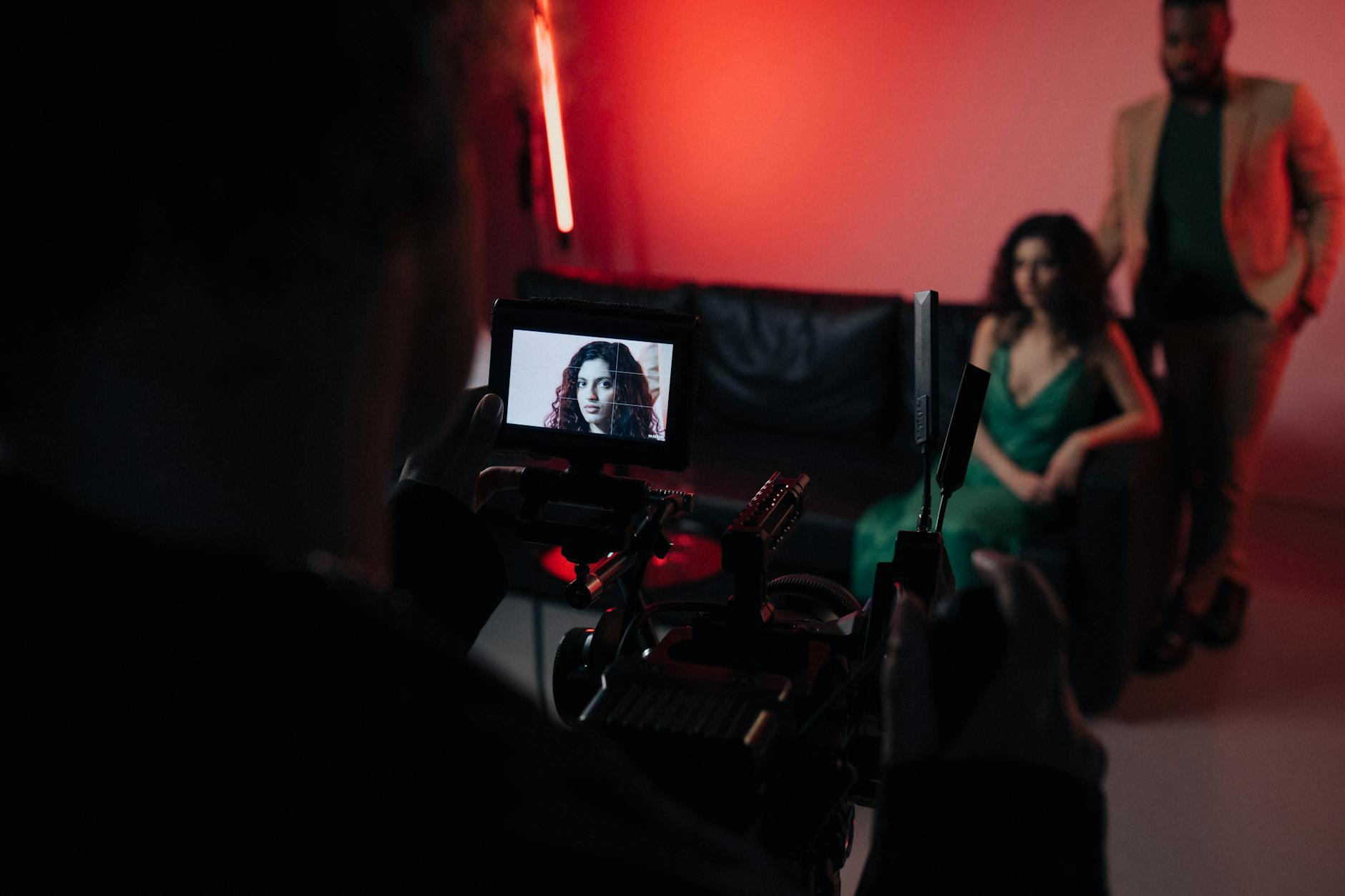
The core purpose of video interview production is to capture authentic interviews that inform, inspire, or persuade viewers. It encompasses a series of well-orchestrated steps—from conceptualization to final delivery—to ensure the finished product aligns with specific objectives and maintains professional quality standards.
Key Elements of Video Interview Production
- Concept and Purpose Development: Determining the core message and overarching goal of the interview to guide content and style decisions.
- Interview Content Planning: Developing questions and topics that are relevant, insightful, and structured to facilitate natural yet substantive conversations.
- Participant Coordination: Selecting suitable interviewees and scheduling sessions to ensure their comfort and preparedness.
- Technical Setup: Assembling the necessary equipment, such as cameras, lighting, and audio devices, to support high-quality video recording.
- Filming Environment: Choosing a suitable location that complements the brand image and minimizes background distractions.
- Post-Production Processing: Editing footage to enhance clarity, add graphics, and incorporate branding elements to produce a polished final video.
Effective video interview production demands precision and professionalism at every stage, from initial planning through post-production refinement. When executed correctly, it provides a compelling medium to engage viewers and deliver impactful messages concisely.
Technical Equipment and Setup
Optimal video interview production hinges on the selection and configuration of reliable technical equipment. High-definition cameras are essential to capture clear, crisp footage that renders well across various viewing platforms. When choosing cameras, consideration should be given to resolution capabilities, frame rate options, and the ease of adapting to different lighting conditions.
Lighting plays a crucial role in creating a professional atmosphere. Soft, diffused lighting kits help eliminate harsh shadows and ensure even illumination on interviewees’ faces. Typically, three-point lighting setups are employed: key light, fill light, and backlight, to add depth and dimension while maintaining a polished appearance.
Audio quality is equally vital. Professional-grade microphones, such as lavalier (clip-on) microphones or shotgun microphones, are recommended to capture clear voice recordings and minimize background noise. Acoustic treatments or choosing a quiet environment further enhance audio fidelity.
Supporting gear like tripods, stabilizers, and monitors are necessary for steady footage and real-time visual feedback. Additionally, using quality cables and backup batteries ensures uninterrupted recording sessions, preventing technical disruptions.
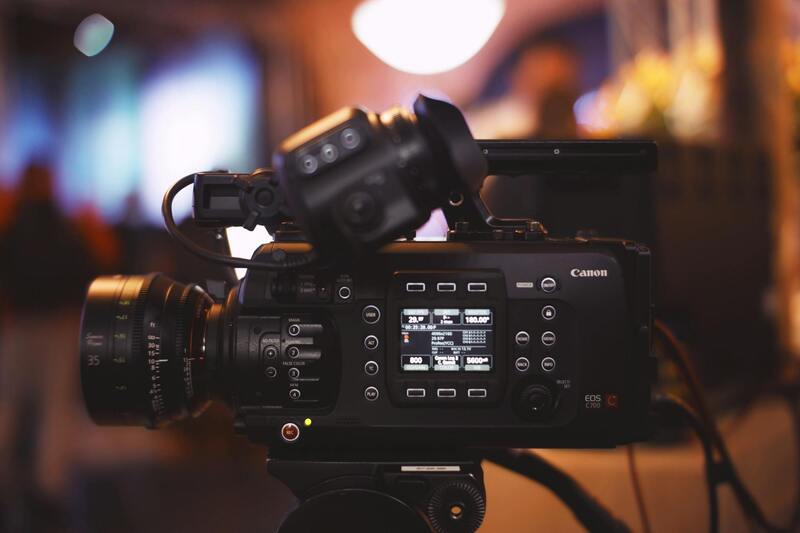
Proper setup involves meticulous planning—checking all connections, configuring camera angles, and adjusting lighting before filming begins. This preparatory phase minimizes on-set issues and contributes to a seamless shooting experience, ultimately elevating the final video quality.
Conducting the Interview
Executing an effective interview requires a combination of preparation, professionalism, and adaptability. The interviewer should establish rapport with the interviewee to foster a comfortable environment conducive to authentic responses. Clear communication of the interview structure and key topics allows participants to prepare adequately.
During recording sessions, maintaining camera eye contact and attentive body language helps create engaging visuals. Open-ended questions encourage detailed insights, while active listening enables the interviewer to follow up effectively.
Technical issues can arise unexpectedly; thus, having a plan B—such as spare batteries or alternative microphones—is crucial. Monitoring audio levels and video framing throughout the session ensures consistency and quality control. After capturing the footage, reviewing clips on-site allows for immediate retakes if necessary, saving time during post-production.
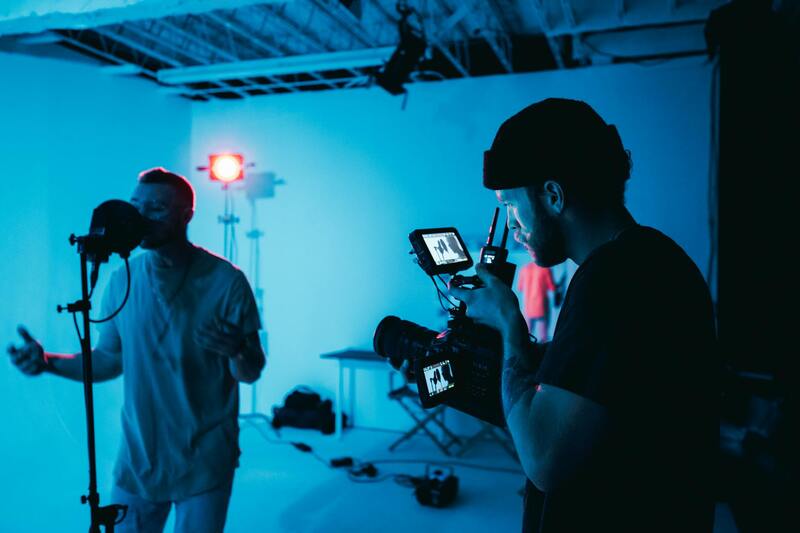
Discussions should be conducted in a professional, respectful manner, emphasizing clarity and focus without rushing the interview process. The goal is to elicit genuine insights that resonate with viewers and enhance the overall message of the video project.
Post-Production Editing and Enhancement
Post-production is where raw footage transforms into a compelling narrative. Skilled editors utilize professional editing software to trim unnecessary segments, correct color imbalances, and ensure visual continuity. Incorporating graphical overlays, lower thirds, and branding elements reinforces the video's professionalism and aligns it with the intended messaging.
Enhancements also include audio mixing, noise reduction, and sound leveling to produce clear and balanced soundtracks. Adding background music or ambient sounds can elevate emotional impact but must be used judiciously to avoid overpowering dialogue.
Beyond technical adjustments, editors craft a cohesive flow that engages viewers from start to finish. Subtitles and captions improve accessibility, while strategic pacing maintains interest throughout the video. These meticulous refinements ensure the final product stands out and effectively communicates its purpose.
Ensuring Ethical Standards and Proper Documentation in Video Interview Production
Maintaining high ethical standards throughout the process of video interview production is critical for producing credible and respectful content. It begins with transparency—interviewers should inform participants about the purpose of the recording, how the footage will be used, and obtain explicit consent. This process respects the autonomy of each interviewee and ensures they are fully aware of their role in the project.
Proper documentation is also essential. Signed release forms are standard, capturing the interviewee’s agreement to be recorded and their consent to the use of their likeness and statements. These forms should explicitly state the scope of usage, whether for promotional purposes, broadcast, or archival, and ensure all parties have a clear understanding of how the content will be shared.
It's equally important to adhere to best practices concerning sensitive topics or vulnerable groups. Discussions should be conducted with sensitivity, respecting privacy boundaries and cultural considerations. Interviewers must foster a safe environment that encourages openness while avoiding any form of coercion or manipulation.
In terms of ethical standards related to content integrity, editing practices should aim for a truthful representation of the interviewee’s viewpoints without distortion. Techniques such as selective editing, frame manipulation, or sound alteration should be used responsibly to preserve authenticity. This integrity enhances viewer trust, which is crucial for establishing credibility and authority in professional video productions.
Handling Content Rights and Permissions Effectively
Securing content rights and permissions is a fundamental step in the production process. This involves obtaining rights to all visual and audio elements integrated into the interview, including music, stock footage, graphics, and any copyrighted materials. Failing to secure proper permissions can lead to content disputes and potential legal repercussions, making diligence in this stage essential.
Clearance procedures typically require detailed documentation of rights acquisition, including licenses and usage agreements. These legal instruments specify the scope of usage rights, geographic territories, and duration, ensuring all creative elements are used within authorized parameters.
For interviews conducted with guests or external contributors, confirming right to record and broadcast is vital. This might include agreements that delineate the interviewer’s rights to edit, distribute, and publicly share the footage. These agreements protect all stakeholders and set clear boundaries for how the content can be leveraged.
Another key consideration is intellectual property rights related to branding elements like logos or trademarks appearing in the footage. Proper permissions and clearances must be obtained to avoid infringement issues, especially when the final video is intended for widespread distribution or commercial use.
Technical Equipment and Setup
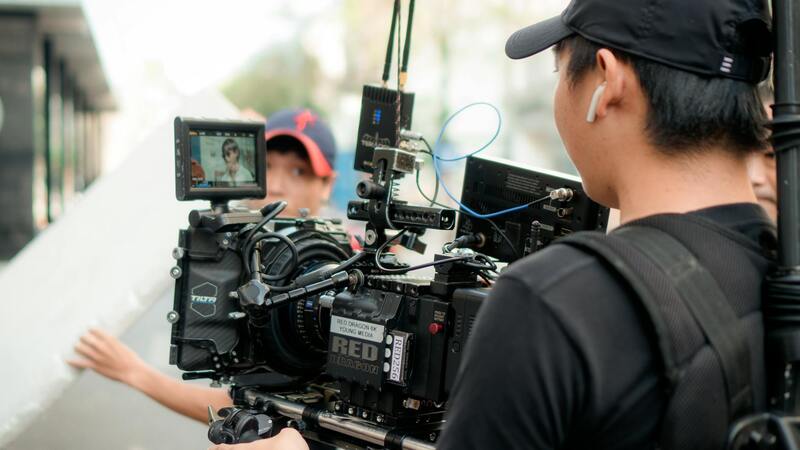
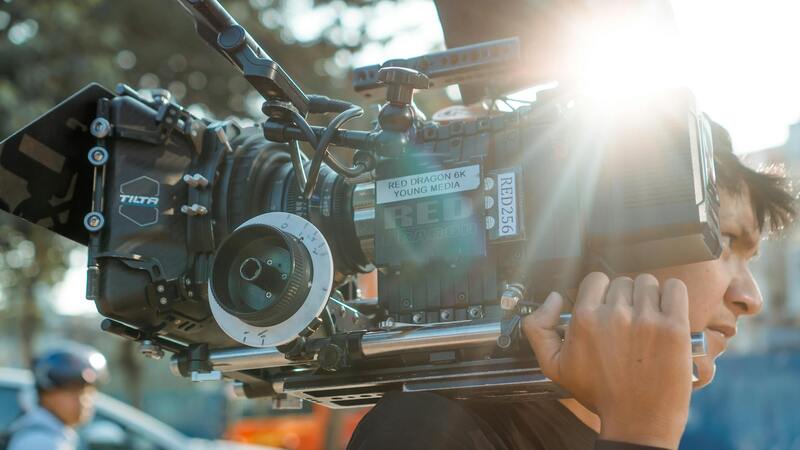
Successful video interview production hinges on the strategic selection and configuration of technical equipment. High-quality cameras, professional lighting, and reliable audio systems are non-negotiable components that significantly influence the overall clarity and professionalism of the final output. Choosing the right camera involves considering resolution, frame rate, and sensor performance to ensure sharp visuals that accurately represent interview subjects.
Lighting setups should be tailored to the environment to eliminate shadows and evoke the desired mood. Softbox lights or ring lights are often employed to achieve even, flattering illumination. Proper positioning of lighting elements enhances facial expressions and minimizes distractions, fostering a more engaging viewing experience.
Audio quality is paramount in interview production, as poor sound can negate visual excellence. Using lavalier microphones or shotgun microphones positioned close to speakers ensures clear voice capture. Soundproofing the interview environment helps eliminate background noise, echo, and interruptions, which can detract from the content’s professionalism.
To maintain consistency across multiple takes or interviews, setting up a dedicated, controlled environment is highly beneficial. This space should be equipped with stable tripods, monitor screens for real-time preview, and proper cable management to prevent hazards and distractions.
In addition to core hardware, utilizing video switchers, external recorders, and streaming devices can streamline the production workflow, especially for live interviews or multi-camera setups. These tools enable seamless switching between angles, recording in multiple formats, and broadcasting or streaming content directly to platforms, ensuring quality and timing are meticulously maintained throughout the session.
Finally, meticulous planning for backup solutions, such as secondary storage devices and alternative power sources, mitigates the risk of data loss or technical failure mid-session. Proper setup and testing before recording ensures that all equipment functions harmoniously, resulting in an interview that meets high standards and is ready for post-production processing.
Ensuring Compatibility and Sustainability of Equipment
When engaging in professional video interview production, selecting compatible hardware components is crucial to prevent technical disruptions during filming. This involves verifying that cameras, microphones, lighting, and related accessories work seamlessly together within the chosen workflow. Compatibility also extends to power sources, battery life, and storage devices, ensuring uninterrupted recording sessions.
Investing in energy-efficient equipment that can operate reliably over extended periods reduces the risk of system overheating or failure. Additionally, for projects involving multi-camera setups or long-duration interviews, consolidating hardware from trusted brands with robust support and update policies enhances workflow stability.
Implementing Systematic Testing and Calibration Processes
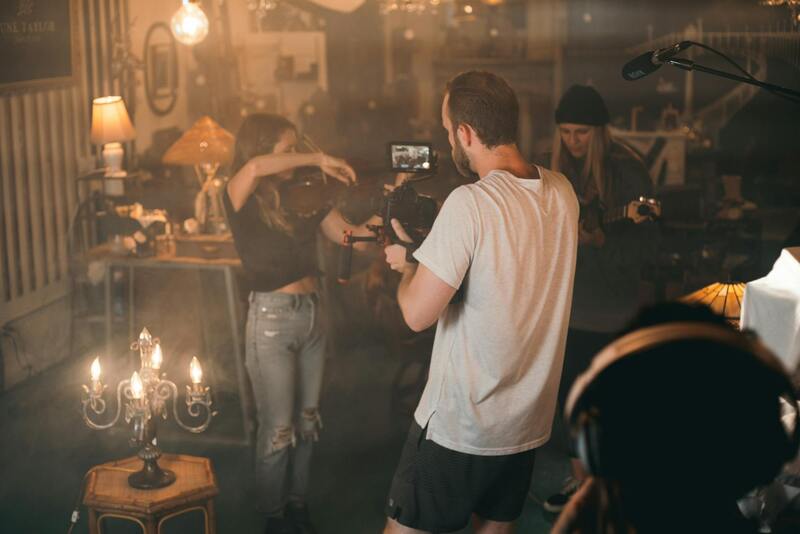
Prior to actual recording, comprehensive testing of all technical components is essential. This process includes calibrating cameras for color accuracy, adjusting microphone sensitivities, and configuring lighting setups to achieve even illumination without glare or shadows. Conducting trial runs allows crew members to identify potential issues and troubleshoot them proactively.
Utilizing test footage to assess image quality, sound clarity, and overall environmental conditions ensures the interview environment meets the desired standards. Regular calibration schedules and routine maintenance further preserve equipment performance over time.
Managing Data Storage and Workflow Efficiency
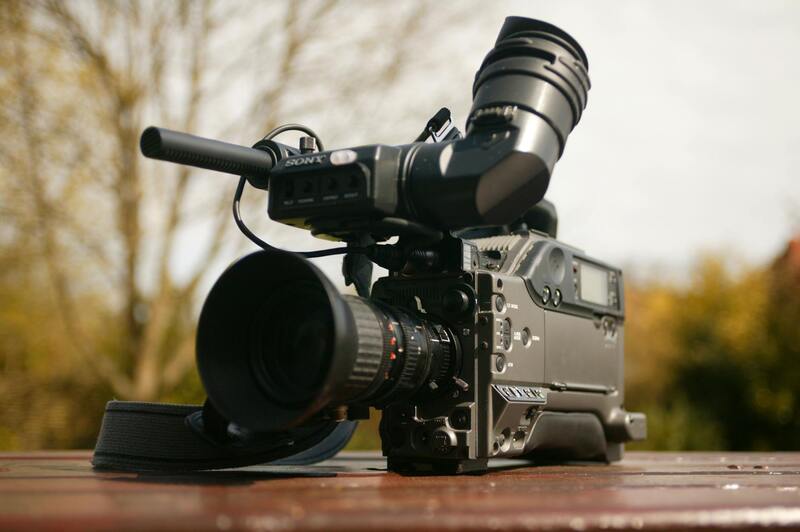
In professional settings, managing large volumes of high-resolution footage requires structured data handling procedures. Implementing organized file naming conventions, version control, and systematic backup protocols prevents data loss and facilitates easy retrieval during editing. Establishing a workflow from raw footage ingestion to post-production ensures smooth transitions and minimizes delays.
Utilizing external drives, network-attached storage (NAS), or cloud-based solutions provides flexible options for data redundancy and accessibility. For high-stakes projects, employing real-time data transfer methods and immediate backup routines can significantly safeguard valuable content.
Continuously reviewing and optimizing data management practices leads to improved efficiency, reduced post-production turnaround times, and overall project success.
Ensuring Accurate Content Presentation and Ethical Recording Methods
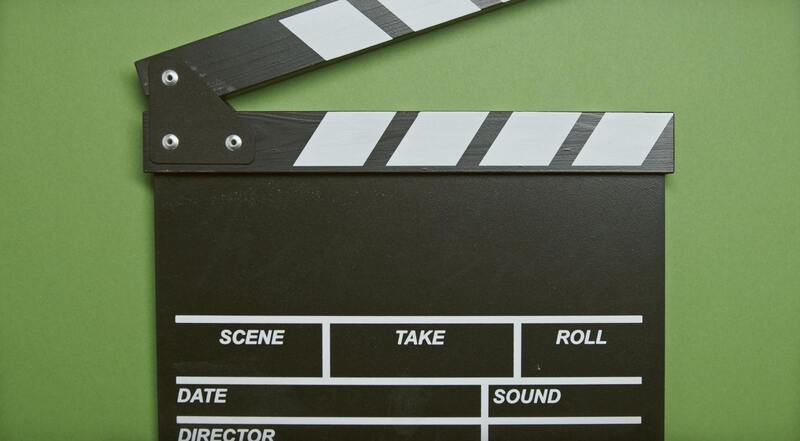
Achieving a polished and credible video interview involves meticulous attention to the presentation of content and adherence to respectful recording practices. This includes verifying that all visual and audio elements present truthful and clear representations of the interviewee and the subject matter, avoiding any manipulations that could distort perceptions. Ensuring accurate content capture not only enhances authenticity but also reinforces the trustworthiness of the final production.
Recording methods should prioritize transparency and integrity. This entails securing explicit permissions from all participants involved, clearly outlining how the footage will be used, and obtaining signed release forms. These forms serve to document consent, specify usage rights, and prevent misunderstandings about content distribution. Additionally, respecting the privacy of interviewees and adhering to the agreed-upon scope of the project aligns with professional standards of conduct.
Implementing Robust Content Rights and Permissions Protocols
- Obtaining Formal Releases: Secure comprehensive release agreements before commencing filming to document consent and intended use.
- Verifying Content Ownership: Confirm that all media, including images, music, and graphics, are properly licensed or owned by the production team.
- Respecting Intellectual Property: Avoid unauthorized use of third-party content; always credit sources and seek permissions when necessary.
- Proper Documentation: Maintain organized records of permissions, releases, and licensing agreements to facilitate smooth post-production and distribution processes.
Adopting Ethical Practices Throughout Production
Professional standards extend beyond legal compliance to encompass ethical considerations that uphold integrity and respect for all parties. These practices include providing transparent information about the scope and intent of the interview, avoiding coercive techniques, and ensuring interviewees are comfortable and fully informed about the process. Addressing questions and providing feedback channels contribute to a respectful collaboration environment.
Maintaining Document Control and Ethical Oversight
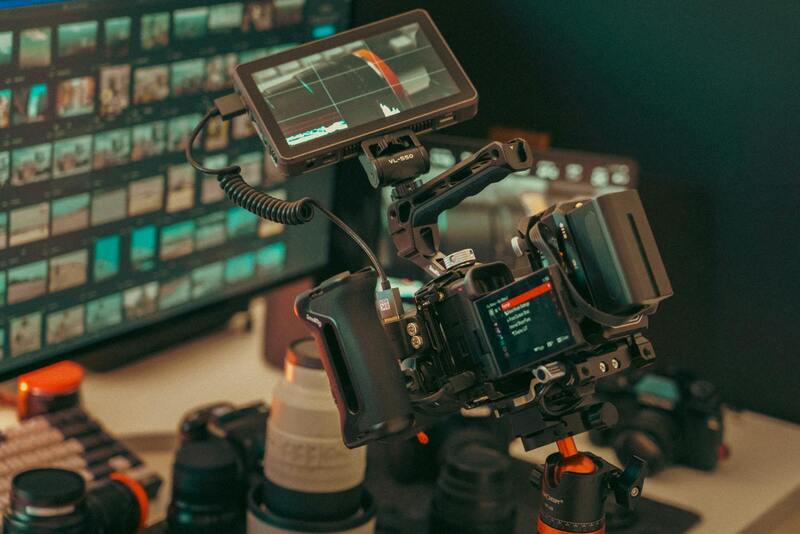
Implementing rigorous document control strategies ensures that all permissions, releases, and license agreements are up-to-date and easily accessible. This diligence not only streamlines the post-production phase but also reinforces the production’s commitment to ethical standards. Regular reviews during the production process help identify and address any potential oversights, thereby safeguarding the integrity of the project and its compliance with industry best practices.
By emphasizing transparency, respect, and meticulous documentation, professional video interview production can achieve compelling, credible content that resonates with audiences while honoring ethical obligations at every stage.
Distribution and Optimization Strategies
Effective distribution of interview videos extends beyond simply uploading content online; it involves strategic planning to reach the intended audience and maximize visibility. For Miami-based productions, leveraging local platforms such as regional news outlets, social media channels, and industry-specific websites can significantly enhance exposure. Additionally, collaborating with local influencers or community partners can help amplify the message to targeted demographics.
Optimizing video content for search engines ensures that it appears prominently in relevant search results, thereby attracting broader viewership. Incorporating relevant keywords organically within video titles, descriptions, and tags—such as "video interview production in Miami"—can improve ranking on search platforms. Utilizing structured data markup can also enhance how videos are displayed in search results, providing additional visibility with thumbnail previews and rich snippets.
Social media channels serve as vital platforms for distributing interview videos, allowing for targeted advertising campaigns that reach specific audiences in Miami and beyond. Creating short, engaging clips suitable for sharing on platforms like Instagram, TikTok, and Facebook can generate buzz and encourage sharing, thereby expanding reach organically.
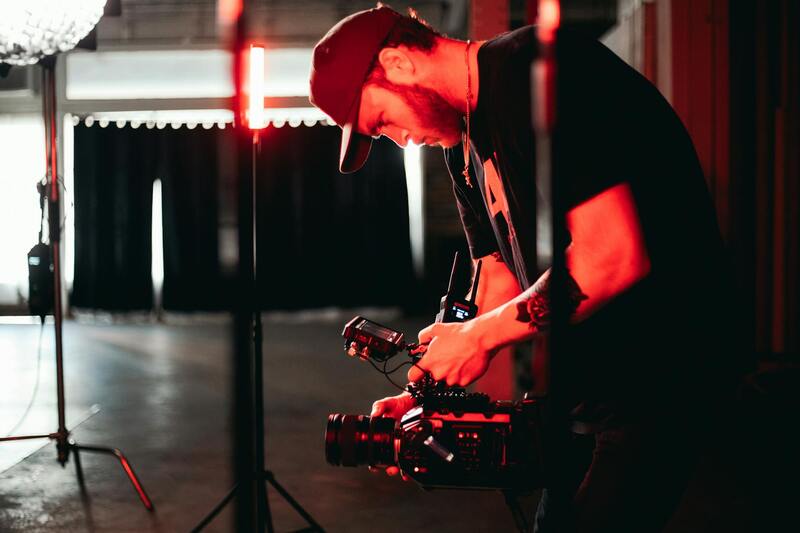
In addition, embedding videos within relevant articles, blog posts, or email newsletters can boost engagement and improve SEO rankings between content on your website. Monitoring analytics and engagement metrics informs ongoing adjustments, ensuring distribution efforts remain aligned with audience preferences and performance goals.
Maximizing Reach in Miami and Beyond
- Utilize regional online directories and industry-specific portals to promote your video content.
- Engage with local communities via social media groups and forums related to Miami’s business, entertainment, or cultural scenes.
- Implement targeted advertising to reach specific demographics and geographic locations.
- Leverage cross-platform promotion to create a cohesive narrative that guides viewers from discovery to viewing across various channels.
Consistent branding, strategic timing, and audience engagement remain essential elements for maximizing the impact of your interview content. By implementing these best practices, Miami video production teams can elevate their projects beyond local boundaries, attracting viewers from broader markets while maintaining a strong regional presence.
Choosing the Right Video Production Agency in Miami
Ensuring Distribution and Optimization of Your Video Interview
Once a high-quality video interview has been produced, the focus shifts toward effective distribution and optimization to maximize viewership and engagement. These strategies involve targeted deployment across suitable channels, precise SEO practices, and audience-centered promotion techniques that align with industry standards.
Strategic Channel Selection
Distributing your video through platforms frequented by your target demographic is fundamental. This includes leveraging social media channels such as LinkedIn, Facebook, and Instagram, which cater to professional and social audiences. Uploading your video natively on these sites ensures better visibility and viewer engagement. Additionally, utilizing video hosting platforms like YouTube or Vimeo allows for broader discoverability, with the added advantage of detailed analytics that inform future content decisions.
Embedding on Relevant Platforms
Embedding video interviews within relevant content, such as blog posts, industry newsletters, or dedicated landing pages, creates context and boosts SEO. This practice helps search engines index your videos more effectively, elevating their prominence in search results. Proper placement within authoritative and related content not only increases organic traffic but also enhances credibility and authority in your niche.
Optimizing Videos for Search Engine Visibility
- Use descriptive, keyword-rich titles and descriptions that align with your target audience’s search intent.
- Implement relevant tags that categorize the content accurately, increasing the likelihood of appearing in related search queries.
- Utilize transcripts and closed captions to improve accessibility and provide additional keyword signals for search algorithms.
- Create custom thumbnails that are visually appealing and relevant to the content, encouraging more clicks.
Monitoring Performance Metrics
Analyzing engagement metrics such as view counts, watch time, shares, and comments helps refine distribution strategies. These insights reveal viewer preferences and behaviors, guiding adjustments to content delivery times, promotional efforts, and platform focus. Regular performance reviews enable continuous optimization and ensure your video interview content gains maximum exposure and impact.
Localized and Broader Outreach
For businesses or individuals based in Miami, regional outreach involves tapping into local directories, industry-specific networks, and community forums to promote the content. At the same time, expanding reach beyond local boundaries through targeted advertising and partnerships can attract diverse audiences. Maintaining a consistent visual identity and messaging across all channels reinforces brand recognition and trust.
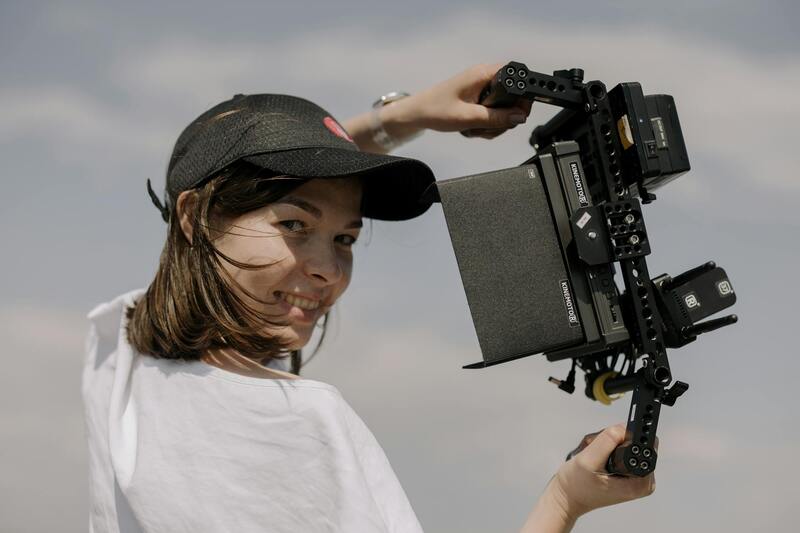
Ultimately, combining thoughtful channel selection, SEO best practices, and ongoing performance analysis creates a comprehensive distribution approach. This effort ensures your video interviews not only reach but also resonate with your intended audience, fostering engagement, professional credibility, and wider recognition within your industry.