Understanding Customer Testimonial Video Production
In today’s competitive market landscape, businesses continuously seek authentic ways to build trust and credibility among potential customers. Customer testimonial video production has emerged as a powerful tool for accomplishing these goals. A customer testimonial video showcases real clients sharing their positive experiences with a product or service, offering prospective buyers relatable insights that facilitate informed purchasing decisions. These videos are particularly impactful in Miami's diverse and vibrant marketplace, where local businesses leverage genuine client stories to stand out and foster community trust.
The primary purpose of customer testimonial videos is to humanize a brand, demonstrating tangible benefits through the voice of actual users. Unlike traditional advertising, testimonials are viewed as unbiased endorsements, providing a sense of reassurance and authenticity. They serve as dynamic proof points that can influence consumer perceptions and drive conversions more effectively than static content or conventional ads.
By investing in professional customer testimonial video production, Miami-based companies tap into a strategic method of content marketing that resonates deeply with local audiences. These videos can highlight specific features, showcase successful case studies, or simply express genuine satisfaction, making them versatile assets in the overall marketing mix. A well-crafted testimonial not only conveys trustworthiness but also enhances brand reputation, ensuring that businesses remain top-of-mind in a saturated marketplace.
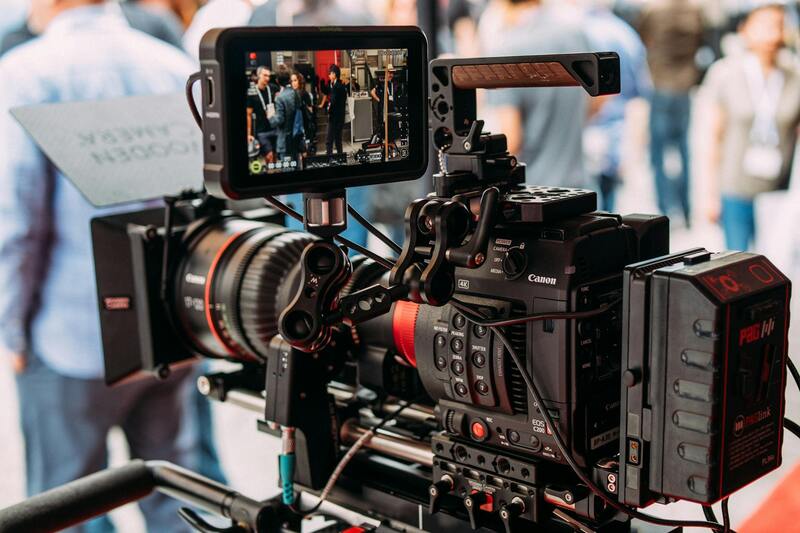
In essence, customer testimonial video production in Miami is about capturing authentic customer stories in a compelling format that bridges the gap between brand promise and consumer expectation. When executed with professionalism, these videos become powerful tools for building credibility, increasing engagement, and ultimately driving sales. For local businesses, understanding the significance of this content type is crucial to crafting marketing strategies that resonate in a fast-paced, pervasive digital environment.
Key Elements of Effective Customer Testimonial Videos
Creating a compelling customer testimonial video requires attention to several core elements that ensure authenticity, engagement, and persuasive power. First and foremost, authenticity is paramount. Viewers can easily detect scripted or overly polished testimonials, which is why genuine stories delivered by real customers resonate most profoundly. This authenticity builds immediate trust and fosters emotional connections with prospective clients. Second, storytelling structure plays a crucial role. Structuring testimonials to include context, the challenge faced by the customer, the solution provided, and the positive outcome creates a logical and engaging narrative. This approach guides viewers through the journey, making the benefits clear and memorable. Third, visual and audio quality should not be overlooked. High-definition visuals coupled with clear, crisp audio enhance professionalism and viewer engagement. Clear visuals help highlight authentic expressions and body language, reinforcing sincerity. Fourth, framing and composition contribute significantly to the overall impact. Proper lighting, framing of the subject, and background choices should align with brand aesthetics and ensure the customer's message remains central. Fifth, inclusion of specific, tangible results elevates credibility. Quantifiable benefits such as increased sales, improved efficiency, or higher customer satisfaction scores provide concrete evidence of your value proposition. Lastly, integrating a call-to-action (CTA) within or at the end of the testimonial guides viewers toward the next steps seamlessly, whether it's contacting your team, visiting your website, or scheduling a consultation. These elements, when combined, create powerful testimonial videos that effectively influence consumer behavior and deepen trust in your brand.
Steps in Planning a Customer Testimonial Video
Effective planning forms the foundation of a successful customer testimonial video. The process begins with selecting the right participants—customers whose experiences are compelling and representative of your brand’s value. It's important to seek individuals who are articulate, authentic, and enthusiastic about sharing their stories. Next, developing a detailed outline or script helps streamline the conversation, ensuring key points are covered while allowing natural storytelling to emerge. While scripting entire testimonials can seem artificial, preparing prompts or guiding questions encourages genuine responses. Pre-production logistics should encompass choosing suitable locations that align with the testimonial’s tone and message. This might include your business premises, a client's office, or an external backdrop that enhances visual appeal. Equipment preparation is also critical. High-quality cameras and microphones ensure that the video and audio clarity meet professional standards. Additionally, scheduling filming sessions at times convenient for customers demonstrates respect for their time and maximizes their comfort. Finally, obtaining clear, documented consent is essential. This includes permissions to film, use the footage, and share it across various marketing channels. Proper planning minimizes disruptions during filming and sets the stage for a smooth production process.
Implementing Authenticity and Visual Engagement in Customer Testimonial Videos
Authenticity remains the cornerstone of impactful customer testimonial videos. Viewers can discern genuine enthusiasm and sincerity, which significantly influence their perception of your brand. To achieve this, it is essential to create an environment that fosters honest storytelling. This involves selecting a comfortable location with minimal distractions, ensuring the interviewee feels at ease to share their true experiences. Additionally, filming in a natural, unforced manner allows the customer’s personality and storytelling style to shine through, thereby enhancing credibility.
Visual engagement also plays a pivotal role in maintaining viewer interest. Incorporating compelling visuals—such as supporting imagery, relevant b-roll footage, or showcasing your product in real-world use—can enrich the narrative. Proper lighting and framing help highlight the customer’s expressions and emotional cues, making their story more relatable and trustworthy. Utilizing multiple camera angles provides a dynamic viewing experience, emphasizing key moments and reactions.

In addition to visual elements, paying attention to audio quality is critical. Clear, crisp sound ensures that the viewer can understand and connect with the customer’s message without distractions. Using lapel microphones or directional mics during filming can significantly improve audio clarity, especially in outdoor or noisy settings. Conducting a brief audio check before filming ensures optimal sound capture, reducing the need for disruptive post-production editing.
Engagement can be further amplified by capturing emotional moments—such as genuine laughter, expressions of gratitude, or sincere testimonials about how your product or service has made a difference. These moments cultivate an emotional connection with viewers, encouraging trust and interest. Furthermore, including visual cues like product demonstrations or satisfied customer interactions creates context and enhances the authenticity of the testimonial.
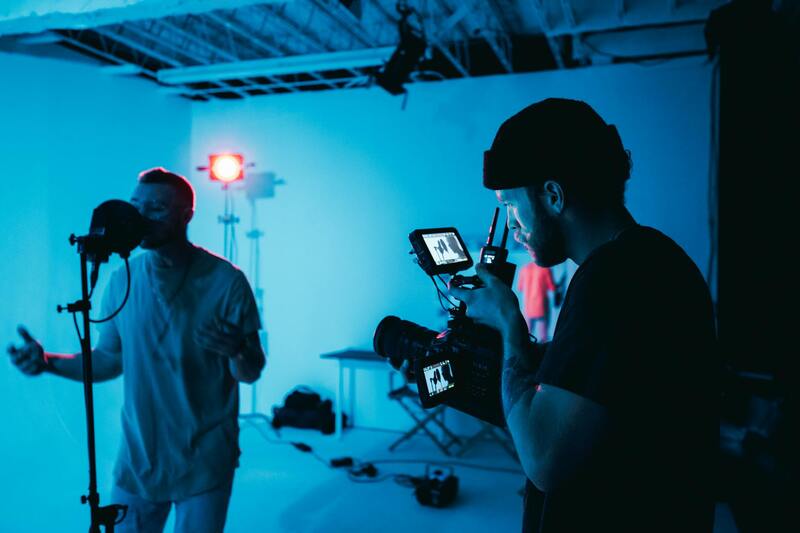
Ultimately, balancing authentic storytelling with high-quality visual and audio elements results in a testimonial video that resonates deeply with viewers. This combination not only strengthens brand trust but also increases the likelihood of viewers taking desired actions, such as exploring your offerings or making a purchase. Professionally crafted customer testimonial videos serve as powerful tools in your broader marketing strategy, leveraging real customer experiences to build a resilient and relatable brand image.
Post-Production Strategies for Customer Testimonial Videos
Once the initial filming is complete, attention shifts to the post-production phase, which plays a vital role in transforming raw footage into a compelling testimonial video. This stage involves meticulous editing, sound design, and visual enhancements that ensure the final product aligns with your brand’s standards and effectively communicates your customers’ authentic stories.
Effective editing begins with selecting the most impactful segments of customer feedback. Prioritizing genuine, emotionally resonant comments helps create a narrative arc that engages viewers from start to finish. Incorporating smooth transitions, timed cuts, and strategic pacing ensures the video remains dynamic and engaging, while maintaining a focus on the customer's story.
Sound design in post-production is equally critical. Clear, balanced audio that emphasizes the customer's voice enhances the video’s authenticity. Sound mixing can eliminate background noise, clarify speech, and add subtle audio cues that support the narrative. Background music should complement the testimonial without overpowering the spoken words, helping to evoke the intended emotional response.

Visual enhancements such as color correction, stabilization, and cropping can significantly improve overall video quality. Color grading ensures consistent and appealing visuals, making the footage look polished and professional. Stabilization prevents distracting jitters, especially if handheld shots were used during filming. Cropping and framing adjustments help focus viewers' attention on key moments and expressions.
Incorporating on-screen text, captions, or graphics can reinforce key points and make the testimonial accessible to a broader audience, including viewers with hearing impairments. These elements should be used judiciously to enhance clarity without cluttering the visual space.
Finally, the edited video should undergo a review process involving multiple stakeholders to ensure it aligns with messaging goals and brand voice. Adjustments are made based on feedback before finalizing the project for distribution.
Through systematic editing, sound engineering, and visual refinement, your customer testimonial videos become powerful tools that not only showcase customer success stories but also reinforce your brand’s credibility. When produced with attention to detail, these videos can serve as cornerstone content in digital marketing campaigns, translating real experiences into persuasive promotional assets for your business.
Step 4: Editing and Visual Enhancement for Customer Testimonial Videos
After capturing high-quality testimonial footage, the editing phase is crucial to craft a compelling narrative that resonates with viewers. This stage involves refining raw footage to highlight authentic customer expressions and key messages, which enhances credibility and emotional engagement. Professional editing techniques include trimming unnecessary segments and arranging clips to follow a logical, engaging flow that emphasizes the customer’s journey or solution provided.
Visual editing elevates the authenticity of customer testimonials. Visual enhancements such as color correction, stabilization, and cropping can significantly improve overall video quality. Color grading ensures consistent and appealing visuals, making the footage look polished and professional. Stabilization prevents distracting jitters, especially if handheld shots were used during filming. Cropping and framing adjustments help focus viewers' attention on key moments and expressions.

Incorporating on-screen text, captions, or graphics can reinforce key points and make the testimonial accessible to a broader audience, including viewers with hearing impairments. These elements should be used judiciously to enhance clarity without cluttering the visual space. Effective background music and sound balancing further add professionalism, ensuring the testimonial’s message is clear and emotionally compelling.
Finally, the edited video should undergo a review process involving multiple stakeholders to ensure it aligns with messaging goals and brand voice. Adjustments are made based on feedback before finalizing the project for distribution. Thoughtful editing and visual enhancements elevate testimonial authenticity, providing a powerful tool in your digital marketing arsenal.
Through systematic editing, sound engineering, and visual refinement, your customer testimonial videos become compelling stories that not only showcase customer success but also reinforce your brand’s credibility. When produced with attention to detail, these videos can serve as cornerstone content in your marketing campaigns, converting authentic customer experiences into persuasive promotional assets.

Step 5: Distributing and Promoting Customer Testimonial Videos Effectively
Once your testimonial video is finalized, strategic distribution is essential for maximizing reach and impact. Focus on platforms where your target audience is most active, such as social media channels, your company website, email marketing campaigns, and industry-specific forums. Optimizing videos for each platform—such as aspect ratio, length, and format—ensures better engagement and viewing experience.
Utilize targeted promotions to reach specific demographics. For instance, leveraging paid advertising on social media allows precise audience segmentation, ensuring your testimonial reaches potential clients who are most likely to benefit from your products or services. Incorporating call-to-action overlays and linking options encourages viewers to engage further, whether that means visiting your website, signing up for a consultation, or making a purchase.
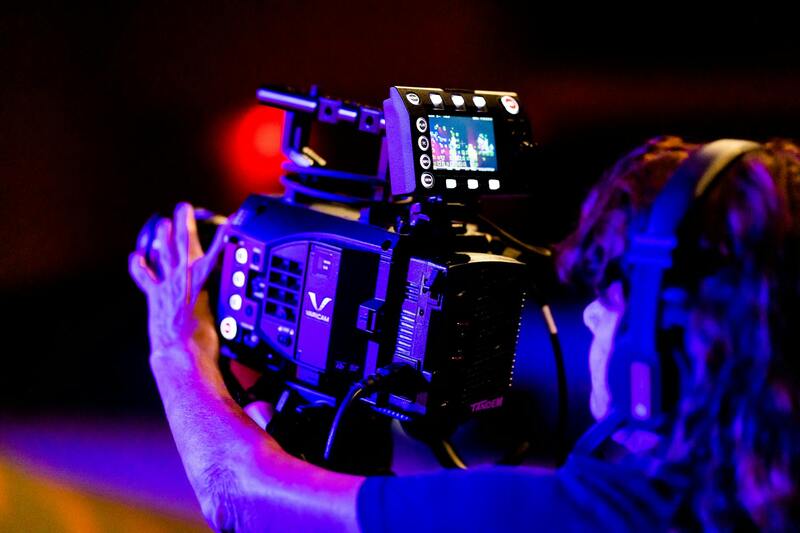
Embedding testimonials into your website’s landing pages and case studies can build trust at critical conversion points. Additionally, repurposing testimonial content in different formats—such as snippets for ads, quote graphics, or blogs—extends their lifespan and exposure. Regularly updating testimonial content keeps your marketing fresh and relevant, demonstrating ongoing customer satisfaction and success.
Engaging with your audience through comments, shares, and direct feedback helps foster trust and community around your brand. Encourage satisfied customers to share their testimonials across their networks, leveraging peer influence for greater authenticity and outreach. Monitoring engagement metrics aids in understanding which channels and formats generate the highest ROI, allowing ongoing optimization of your testimonial marketing strategy.
Post-Production Strategies for Customer Testimonial Videos
Effective post-production techniques are essential to maximize the impact of your customer testimonial videos. The editing process should focus on refining the footage to highlight authentic and compelling customer narratives. Clear and concise editing can eliminate distractions, ensuring the viewer's attention remains on the testimonial's core message. Incorporate professional color grading to enhance visual appeal and maintain consistency with your brand identity.
Adding branding elements, such as your logo, color schemes, and taglines, subtly reinforces your brand presence without overshadowing the customer's story. Including relevant lower thirds that display the customer's name, title, or business details adds credibility and context to the testimonial. Furthermore, overlaying call-to-action prompts, like website URLs or contact information, can guide viewers toward desired next steps.
Optimizing videos for various platforms involves tailoring aspect ratios, resolutions, and formats to ensure compatibility and optimal viewing experience across devices. Short clips or snippets can be customized for social media ads, stories, or sponsored content, whereas full-length videos serve as comprehensive testimonials on your website or YouTube channel. Incorporate captions and subtitles to increase accessibility and engagement, especially since many viewers browse social platforms without sound.
Ensuring that your testimonial videos resonate with your target audience requires strategic storytelling, high-quality visuals, and authentic customer voices. Focus on editing techniques that emphasize emotional connection, such as slow-motion highlights, close-up shots of genuine expressions, and ambient audio that reinforces sincerity. By carefully crafting your post-production phase, you create a polished, compelling narrative that builds trust and bolsters your marketing efforts.
Implementing Authentic Customer Testimonials
Authenticity is paramount when showcasing customer testimonials, as it directly influences viewer trust and engagement. To achieve this, ensure that customers share their genuine experiences without scripted dialogues or overly polished presentations. Providing customers with clear guidelines about what aspects of their experience to highlight can help in capturing sincere feedback while maintaining spontaneity. Moreover, selecting customers who have had notable or relatable experiences enhances the relatability and credibility of the testimonial.

The environment where testimonials are captured can significantly impact authenticity. Conducting interviews in the customer’s natural setting—be it their business, home, or relevant location—adds context that viewers find credible. Utilizing natural lighting and minimal makeup or staging helps preserve a genuine appearance, making the testimonial more trustworthy. Additionally, encouraging customers to speak naturally and at their own pace produces videos that feel less rehearsed and more heartfelt.
Emphasizing Emotional Connection through Visuals and Audio
Visual and auditory elements play vital roles in forging emotional connections with viewers. Capture close-up shots of customers expressing enthusiasm, satisfaction, or relief as they share their stories. These subtle facial cues and gestures generate empathy and assurance for potential clients. Ambient sounds, such as a customer’s background environment or subtle background music, can reinforce authenticity and mood without overwhelming the spoken message.

Utilizing high-quality audio equipment ensures that voice clarity and background sounds are crisp and natural. Poor audio quality can distract viewers and diminish the perceived sincerity of the testimonial. Therefore, investing in professional audio capture and post-recording editing is crucial. When editing, balancing the audio levels, removing background noise, and adding subtle sound effects or music can elevate the overall emotional impact.
Optimizing Testimonials for Multiple Platforms
After production, adapt your testimonial videos for various content channels to maximize reach. Short, impactful snippets are ideal for social media platforms like Instagram, Facebook, or LinkedIn, where quick engagement is essential. These clips should highlight key messages, emotional moments, or compelling quotes from the customer. For your website or YouTube channel, longer, in-depth testimonials allow for detailed storytelling, building credibility and trust over time.
- Ensure aspect ratios are suitable for each platform, such as vertical formats for Stories and Reels.
- Add captions and subtitles to improve accessibility, especially since many viewers watch videos without sound.
- Incorporate branding elements subtly, ensuring they do not distract from the core message.
- Include clear calls-to-action to guide viewers toward further engagement or inquiries.
Effective editing and post-production strategies involve seamless transitions, consistent color grading, and the integration of on-screen text that reinforces video messages. This approach not only enhances visual appeal but also ensures the testimonial remains memorable and impactful across different viewing contexts.
Ensuring Authenticity and Transparency in Customer Testimonials
Authenticity is paramount when leveraging customer testimonial videos. Prospective clients often seek genuine insights and real stories that resonate with their own experiences. To foster trust, it is essential to use testimonials that are honest and represent the customer's true opinions. This can be achieved by allowing customers to speak naturally without overly scripted lines or forced delivery, which can diminish credibility. Incorporating unscripted segments or conversational interviews can capture their genuine reactions and feelings about the product or service.
Transparency involves clearly presenting the context of each testimonial. This includes details about the customer's background and their relationship with the company, which adds depth and authenticity. Disclosing any modifications made during editing, such as cuts or rephrasing, ensures viewers understand they are engaging with an unaltered voice. Such openness reinforces trust and encourages viewers to take the testimonial seriously.
Incorporating Client Consent and Ethical Use
Gathering explicit consent from customers prior to filming and sharing their testimonials is a fundamental step. Confirming that they agree to the content being used across marketing channels, including social media, website, and presentations, helps maintain ethical standards. Clearly explaining how their testimonial will be used and providing options to review the final cut fosters a transparent relationship. Respecting customer privacy and allowing them to specify which details they are comfortable sharing can prevent misunderstandings and build long-term trust.
Optimizing Testimonials for Maximum Impact
- Focus on stories that highlight specific benefits and measurable results to illustrate real value.
- Use high-quality visuals and sound to ensure clarity and professionalism.
- Highlight emotional elements that create a connection with viewers, such as overcoming challenges or exceptional service experiences.
- Include direct quotes and key phrases to emphasize important messages.
Quality Assurance in Customer Testimonials
Maintaining high standards during filming and editing ensures the testimonial videos are compelling and trustworthy. This includes proper lighting, clear audio, and stable camera work. Post-production edits should preserve the integrity of the customer's message, avoiding excessive manipulation that could alter the consumer's authentic voice. Consistent branding, visual style, and messaging are essential to creating a cohesive campaign that reinforces credibility across all content.
Measuring and Analyzing Effectiveness
It is crucial to monitor how testimonial videos influence viewer engagement and decision-making. Metrics such as viewer retention, click-through rates, social shares, and conversion rates provide insights into content performance. Gathering feedback directly from viewers through surveys or comments can further inform whether the testimonials resonate and inspire action. This data-driven approach helps refine future video strategies and ensures resource investments yield optimal results.