Understanding Interview Video Production
Interview video production is a specialized process that involves creating visually compelling and engaging videos centered around a person or a group providing insights, expertise, or personal stories. This type of content plays a pivotal role in various industries, particularly in business, media, and marketing sectors within Miami. It serves as an effective communication tool to build brand credibility, share knowledge, and connect with target audiences on a more personal level.
At its core, interview video production aims to capture authentic conversations that resonate with viewers. These videos can take many forms, including testimonial segments, expert panels, behind-the-scenes looks, or promotional content. Their importance in the Miami market has grown significantly, driven by the need for dynamic content that can engage a diverse and vibrant audience. Businesses leverage professional interview videos to showcase leadership, highlight success stories, or demonstrate product benefits, thereby enhancing their market positioning.
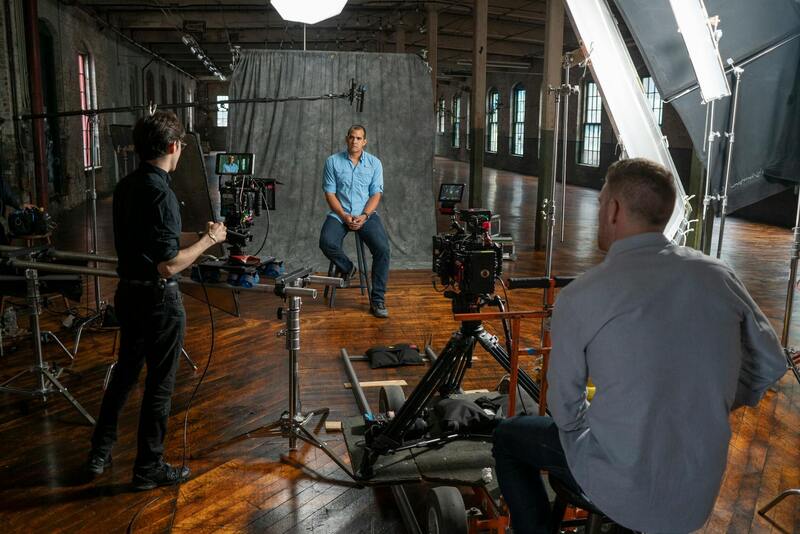
The significance of well-produced interview videos extends beyond mere communication; they are instrumental in establishing authority, trust, and connection. In a city renowned for its diverse culture and vibrant business environment, a polished interview video can be a powerful asset in achieving marketing goals. Whether used on company websites, social media platforms, or at industry events, these videos help businesses create a lasting impression and foster meaningful relationships with their viewers.
To attain professional results, organizations must approach interview video production with a clear understanding of its purpose and intended audience. Properly crafted videos not only convey information but also evoke emotional responses that can lead to increased customer engagement and brand loyalty. In Miami’s fast-paced media ecosystem, investing in quality production is critical to standing out and ensuring the message resonates effectively across various channels.
Understanding Interview Video Production
Effective interview video production is fundamentally rooted in meticulous planning and strategic execution. It involves more than simply filming two individuals conversing; it encompasses the entire process of conceptualizing, organizing, capturing, and refining content that aligns with a brand or message. A high-quality interview not only communicates information clearly but also captures the essence and personality of the subjects, thereby establishing a genuine connection with viewers. In Miami’s diverse media scene, professionals must leverage proven methodologies to produce content that stands out amidst a crowded landscape.
Creating an Effective Production Workflow
An organized workflow begins with comprehensive pre-production measures that lay the foundation for a successful shoot. These include detailed planning about the interview's objective, target audience, and desired tone. Collaborating with stakeholders ensures alignment on key messaging and branding priorities. Decisively selecting locations that complement the interview’s theme, whether in a professional studio or on-site environments, can significantly impact the final output’s visual appeal and contextual relevance.
Simultaneously, selecting interview questions tailored to elicit insightful responses is crucial. Questions should be open-ended, relevant, and designed to resonate with viewers’ interests. Preparing logistical arrangements such as scheduling, permits, transportation, and technical setup minimizes disruptions and facilitates a seamless filming process. These preparatory steps serve as the backbone for capturing compelling content that authentically engages audiences.
Utilizing Professional Equipment and Skilled Crew
The backbone of high-quality interview videos is the appropriate choice of equipment and a competent production team. High-definition cameras, quality microphones, and proper lighting create visually appealing and clear audio content, essential for viewer retention and message clarity. A skilled crew—including camera operators, sound technicians, and lighting specialists—ensures technical precision and the ability to adapt to changing conditions during the shoot.
Technical Considerations for a Smooth Shoot
Pre-shoot technical checks include verifying camera settings, sound levels, and background visuals. Ensuring proper framing, focus, and lighting angles can dramatically enhance the professional appearance of the final product. Attention to detail in these areas reduces post-production adjustments and contributes to a more polished outcome. Additionally, employing backup equipment and recording redundancies guarantees continuity even when unforeseen technical issues arise.
Executing a Structured Interview Process
During filming, establishing rapport and fostering a comfortable environment encourages authentic expressions. The interviewer should maintain a natural presence, avoid leading or overly scripted questions, and allow the conversation to flow organically. Capturing multiple takes or angles provides flexibility during editing, enabling the creation of a dynamic and engaging narrative. Maintaining a steady pace and attentive listening are key to uncovering genuine insights that captivate viewers.
Post-Production Refinement and Enhancement
Post-shoot editing transforms raw footage into a compelling story. Skilled editors focus on trimming extraneous content, balancing audio levels, and aligning visuals with narratives. Incorporating graphic overlays, captions, and branding elements can reinforce key messages and improve viewer comprehension. Color correction and sound enhancement further elevate the video’s professional quality. This stage is fundamental in ensuring the final product is visually appealing, emotionally resonant, and aligned with strategic communication objectives.
Adhering to Content Standards and Ethical Practices
Maintaining strict standards for content integrity and ethical considerations is vital. Accurately representing interviewees, respecting confidentiality, and securing necessary permissions safeguard the credibility of the production. Ensuring that content complies with platform guidelines and avoids misleading or controversial material supports sustained viewer trust. Transparency about any alterations and clear identification of sponsored content align with best practices for responsible media production.
Deployment and Audience Engagement
Once finalized, distributing interview videos across appropriate channels maximizes reach. Tailoring content formats for social media, website integration, or broadcast amplifies visibility and engagement. Implementing targeted promotion strategies backed by analytics helps measure effectiveness and refine future content efforts. An engaging thumbnail, compelling title, and optimized descriptors further enhance discoverability, ensuring that the content effectively communicates the intended message to the right audience.
Setting Up for the Interview: Technical Considerations
Effective interview video production hinges on meticulous technical setup to ensure high-quality footage and seamless recording. Selecting appropriate equipment is fundamental, including the right cameras that offer optimal resolution and focus capabilities tailored to the environment and intended distribution platform. For indoor shoots, cameras with good low-light performance can significantly enhance image clarity. For outdoor settings, weatherproof models or additional protective gear are advisable to mitigate environmental challenges.
Lighting setup plays a pivotal role in establishing the visual tone and clarity of the interview. Using soft, even lighting minimizes shadows and highlights facial features naturally. Key lights, fill lights, and backlights should be strategically positioned to create a balanced and flattering illumination. Diffusers and reflectors can also be utilized to soften harsh light sources and achieve a more professional look.
Audio quality is equally crucial, as poor sound can diminish the viewer experience regardless of visual quality. Employing lavalier microphones or shotgun mics ensures clear, crisp voice capture while minimizing background noise. Monitoring audio levels with headphones throughout the recording process helps prevent issues like clipping or imbalance. Additionally, conducting sound checks and testing acoustics beforehand can reveal and address potential problems.
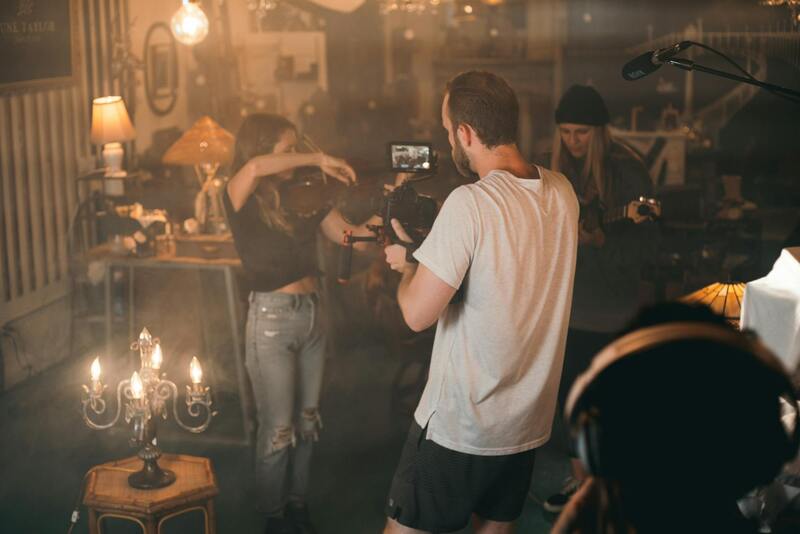
Beyond equipment, setting up the filming environment is vital. Ideally, choose a quiet, controlled space free of interruptions. Use a neutral or branded background that aligns with the video's purpose, avoiding distracting clutter to keep the focus on the interviewee. Securing stable camera mounts, such as tripods or gimbals, ensures steadiness, especially during longer shoots or dynamic shots. Additionally, plan the shot composition carefully—consider framing the interviewee according to the rule of thirds, maintaining eye level, and ensuring clear sightlines to facilitate natural interaction.
Recording additional footage, such as B-rolls or reaction shots, provides versatile content options during editing. Preparing backup batteries, memory cards, and testing all equipment beforehand prevent technical mishaps. These proactive measures are essential for maintaining a smooth shoot that adheres to scheduled timelines and achieves the desired production standards.
Conducting the Interview
The success of an interview video greatly depends on the interviewer's skills and preparation. Establishing rapport with the interviewee fosters an open, natural dialogue that resonates authentically with viewers. Familiarity with the interviewee's background allows for insightful, tailored questions that delve into meaningful topics. Open-ended questions encourage detailed responses, fostering engaging narratives.
During the session, maintaining eye contact and attentive body language demonstrates genuine interest and builds trust. Clear communication about the interview structure, target messages, and any preferred points of emphasis ensures alignment. The interviewer should be adaptable, ready to follow up on interesting tangents or clarify ambiguous answers, thereby enriching the content quality.
Technical vigilance remains important—regularly checking camera angles, audio levels, and lighting ensures consistent quality throughout the session. Creating a comfortable setting minimizes nervousness, helping interviewees speak naturally and confidently. Properly guiding the conversation without leading or interrupting maintains the integrity of the responses, ultimately producing a compelling and credible interview piece.
Post-Production Editing and Enhancement
Post-production is where raw footage is transformed into a polished interview video. Editing involves selecting the most impactful segments, trimming unnecessary parts for brevity, and assembling the narrative coherently. Incorporating graphical overlays, such as titles and lower thirds, introduces context and highlights key points without disrupting viewer engagement.
Color correction and grading refine the visual presentation, ensuring consistent tones, enhancing brightness, and emphasizing mood. Sound editing removes background noise, balances audio levels, and adds music or sound effects where appropriate to elevate the overall experience. Close attention to pacing maintains viewer interest, while appropriate cuts prevent stagnation.
Adding captions improves accessibility, allowing broader reach, particularly for viewers watching without sound. Optimization for various platforms entails formatting the video to suit different aspect ratios and resolution requirements. Ensuring intellectual property rights are respected and accurately credited during editing sustains transparency and professional standards.
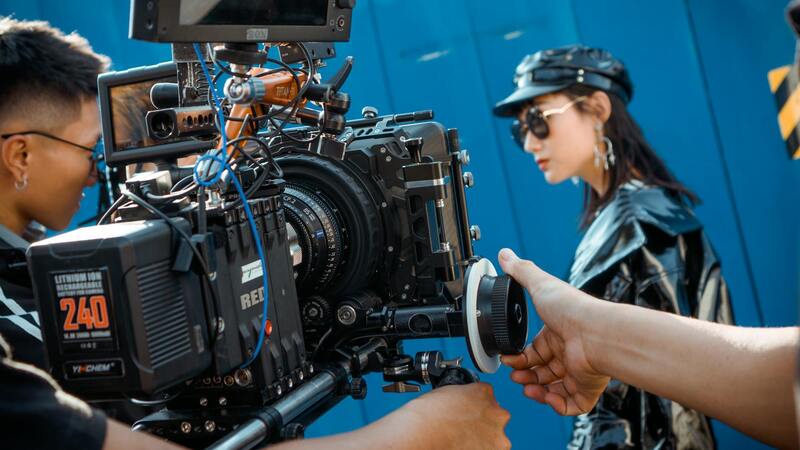
The final review involves checking for content accuracy, technical consistency, and compliance with brand guidelines. Quality control measures guarantee that the finished product meets the highest standards before distribution. Well-executed post-production elevates the credibility and impact of the interview, amplifying its effectiveness across chosen communication channels.
Understanding Interview Video Production
Setting Up for the Interview: Technical Considerations
When preparing to capture an interview, ensuring that the technical aspects are meticulously arranged is pivotal for producing a polished final product. This involves a comprehensive setup phase where every element—from camera placement to sound quality—is optimized to facilitate a seamless recording process.
First, selecting an appropriate location is essential. The environment should be quiet, free from distractions, and have controlled lighting to avoid unwanted shadows or glare. Adequate room acoustics help in capturing clear audio, minimizing echoes and background noise.
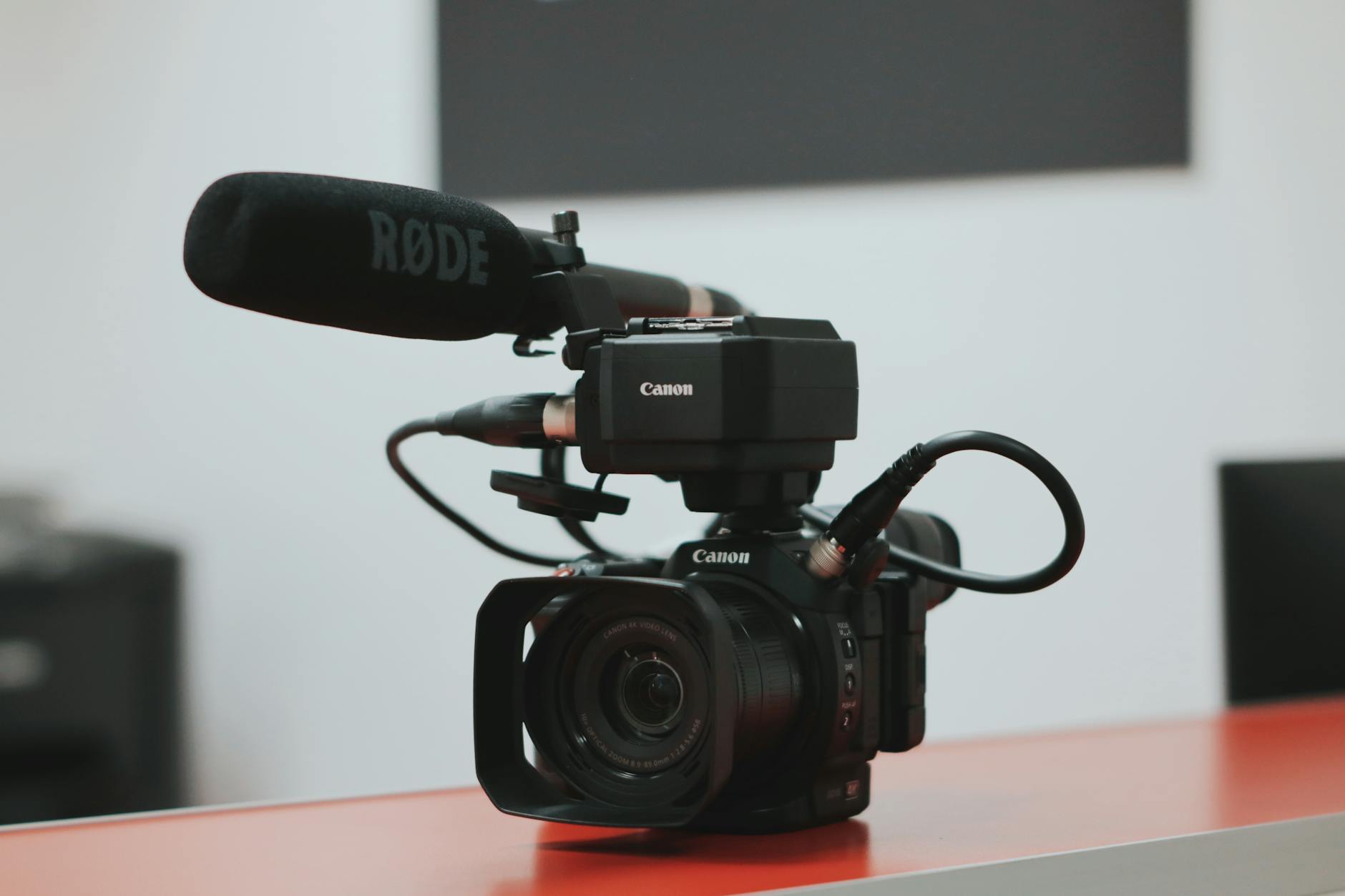
Next, framing the shot correctly enhances viewer engagement and visual clarity. Typically, an eye-level camera position offers a natural perspective, while a tight framing on the interviewee's face fosters intimacy. Consider applying the rule of thirds to position the subject dynamically within the frame, ensuring the background is uncluttered and relevant.
Lighting techniques should aim for even illumination, avoiding harsh shadows or overly bright spots. Three-point lighting—comprising key, fill, and backlight—creates depth and highlights facial expressions effectively. Soft, diffused light sources tend to produce more flattering results. Additionally, for interior settings, controlling ambient light and using reflectors can help maintain consistent brightness.
Audio considerations are equally critical. High-quality microphones—such as lavalier or shotgun mics—capture clear, direct sound from the interviewee. Positioning the microphone close to the subject reduces room noise and ensures the audio remains distinct. Testing audio levels beforehand prevents issues like clipping or low volume during recording. Employing windshields in outdoor settings further eliminates unwanted noise and distortion.
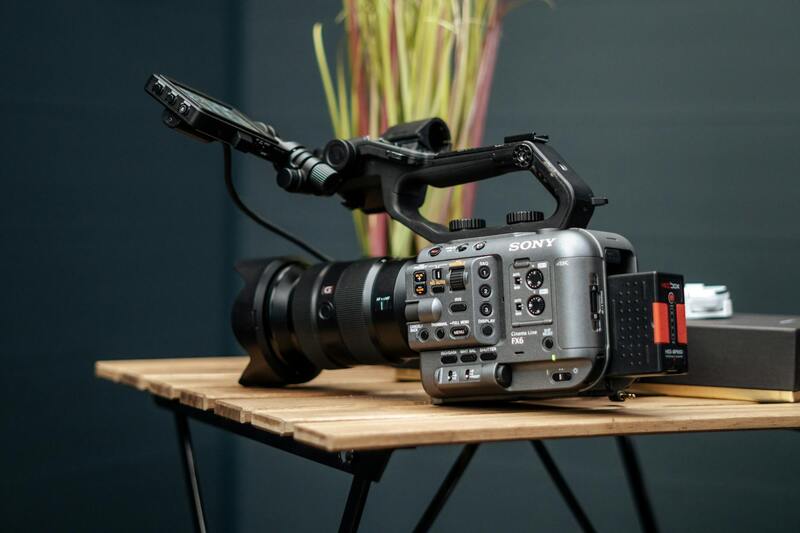
Furthermore, matching camera settings to the lighting environment is crucial. Adjusting ISO, aperture, and shutter speed ensures the footage is well-exposed. Using manual focus prevents focus shifts during recording, preserving visual sharpness. Continuous monitoring throughout the session allows for quick adjustments and minimizes the need for extensive post-production corrections.
Incorporating backup systems, such as an additional camera or audio recorder, provides safeguards against technical failures. It’s advisable to conduct a thorough equipment check before each shoot, testing all components to confirm functioning properly. Proper cable management and securing equipment placement help prevent accidental disruptions during recording.
In summary, a well-planned technical setup encompasses location choice, lighting, audio, camera positioning, and backup strategies. These foundational elements significantly influence the overall quality of the interview video, setting the stage for successful production and impactful storytelling.
Understanding Interview Video Production
Post-Production Editing and Enhancement
Post-production marks the phase where raw footage transforms into a polished, engaging interview video. This process involves meticulous editing to enhance the visual and audio components, ensuring the final product communicates the intended message effectively. A skilled editor employs various techniques, including cuts, transitions, color correction, and sound design, to produce a seamless viewing experience. Incorporating graphics, lower thirds, and subtitles can emphasize key points and improve viewer engagement. Color grading helps establish the desired mood and visual consistency, especially when footage from different locations or lighting conditions needs cohesion. Audio enhancement, such as noise reduction and equalization, refines sound clarity and balances dialogue with background elements, making the interview more accessible and enjoyable.
Another critical aspect of editing is ensuring the narrative flow aligns with the story's objectives. This might involve trimming unnecessary segments, emphasizing impactful responses, and maintaining a logical progression. Additionally, adding branding elements, call-to-action prompts, or contact information can enhance the video's purpose and reach. Throughout this phase, it’s essential to maintain the integrity of the interviewee’s message while ensuring the visuals and audio are cohesive and professional. Final outputs are typically rendered in multiple formats tailored for various platforms—whether for online streaming, social media, or presentations—each requiring specific resolution and aspect ratios. The editing process should also include quality checks to identify and rectify issues before distribution, ensuring the final product meets the highest standards of visual and audio fidelity.
Legal and Ethical Aspects
Handling interview footage responsibly involves adhering to established standards that preserve the rights of all participants. Before filming begins, securing explicit consent from interviewees outlines how the footage will be used, stored, and shared. This consent not only facilitates transparency but also ensures that individuals are aware of the scope of the project. During editing, it’s vital to respect the context of the responses, avoiding manipulations or edits that could misrepresent the interviewee’s intended meaning or tone. All content should accurately reflect the interviewee’s messages without distortions or omissions that could lead to misunderstandings.
Proper attribution and recognition are crucial, particularly when incorporating third-party materials such as music, images, or footage. Licensing agreements or permissions should be obtained to avoid copyright conflicts. Additionally, maintaining confidentiality and privacy, especially when sensitive or proprietary information is involved, underscores a commitment to ethical standards. Documentation of consent and permissions should be retained as part of the project records. As a best practice, it’s advisable to develop a comprehensive content management plan, detailing how footage is stored, shared, and protected, fostering transparency and accountability throughout the project lifecycle. This approach helps maintain the professional integrity of the production and safeguards all parties involved.
Ensuring Proper Content Management and Ethical Practices During Post-Production
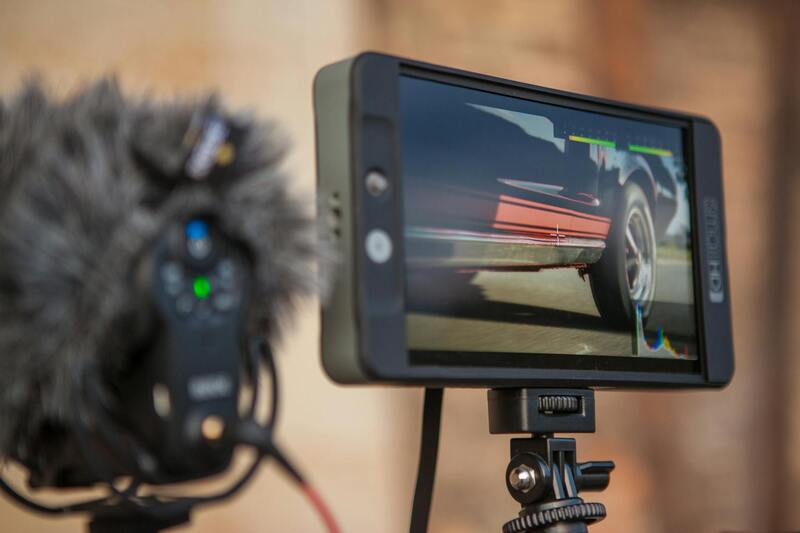
Once the filming process concludes, the focus shifts to meticulous post-production practices that uphold quality, authenticity, and ethical standards. The editing stage plays a vital role in shaping the final narrative of the interview video, requiring a commitment to maintaining the original context of interviewees' responses. Implementing a comprehensive file management system ensures secure storage of raw footage, work-in-progress edits, and finalized projects. This system should facilitate easy retrieval, version control, and protection against unauthorized access, thereby safeguarding sensitive content and respecting the rights of all parties involved.
During editing, attention to detail is paramount. This includes precise cuts, seamless transitions, and appropriate inclusion of graphics or captions that enhance understanding without altering the core message. Color grading and sound mixing should be executed to produce a cohesive, professional appearance, ensuring the visual and auditory elements reinforce the interview's intent. All modifications should be documented meticulously, providing an audit trail that supports transparency and accountability in the production process.
Securing Proper Permissions and Copyright Clearance
Maintaining integrity throughout the project involves securing all necessary permissions for content elements incorporated into the video. This includes obtaining licenses or explicit consents for any third-party materials such as images, music, or footage used during editing. Clearly documented agreements should specify permissible uses, duration, and any limitations, thus avoiding potential disputes or misunderstandings. Proper attribution of third-party content further demonstrates respect for intellectual property rights and aligns with industry standards.
In cases where interviews involve proprietary or sensitive information, additional safeguards are essential. Password-protected storage and access controls help restrict footage to authorized personnel only. Confidentiality agreements can be employed to formalize commitments to protect private information, especially when dealing with corporate or personal subjects. As an ongoing practice, reviewing licensing and permission statuses periodically ensures continual compliance and avoids unintentional infringements.
Ethical Handling of Interview Content
Ethical standards require transparent and honest representation of interviewee contributions. This involves refraining from misleading edits or manipulations that could distort the original message. When revising content, it's important to maintain the context and tone of responses to avoid misinterpretation. If content adjustments or cuts are necessary, they should be made judiciously, accompanied by proper documentation that explains the rationale for edits.
Respecting the privacy and dignity of interview subjects is fundamental. This means avoiding techniques that could compromise confidentiality, such as revealing identifying information without consent. When sharing the content publicly, fidelity to the interviewee's intent and message is critical. Moreover, adhering to established guidelines for ethical conduct reinforces the credibility and professionalism of the production, ultimately fostering trust among viewers and all project stakeholders.
Legal and Ethical Aspects
Developing a comprehensive understanding of the proper procedures surrounding interview video content is vital to ensure responsible production practices. Secure release forms are essential documents that grant permission from interviewees to use their likeness, voice, and statements in the final video. These forms should clearly specify the scope of usage, including how and where the footage will be distributed, and should be signed prior to filming to establish clear consent.
Intellectual property rights play a significant role in safeguarding the content created during production. It’s important to establish ownership rights early on, whether through contractual agreements or licensing arrangements, to prevent disputes over the rights to footage, graphics, or music used in editing. Proper credits and attributions should always be maintained, especially when utilizing third-party materials, to honor intellectual property conventions and avoid infringement issues.
Ethical Considerations in Interview Video Production
Maintaining ethical standards involves several key practices that uphold the integrity of the content and respect for subjects. Transparency in how footage is edited ensures that viewers receive an accurate representation of the interviewee's message without misleading alterations. When cutting or modifying content, producers should document changes and preserve the context to prevent misinterpretation.
Respect for privacy and dignity requires careful handling of sensitive information. Any identifying details must be adequately protected if not explicitly consented for public sharing. This includes avoiding the disclosure of personal data without clear authorization and being attentive to cultural or personal sensitivities that may influence how content is presented.
Implementing Best Practices
- Secure all necessary permissions and write clear release agreements with interview subjects.
- Maintain transparency during editing, documenting all modifications made to the original footage.
- Protect the confidentiality of sensitive information by anonymizing or omitting details when appropriate.
- Respect cultural norms and individual privacy preferences throughout the production process.
- Regularly review and update policies related to content usage and ethical standards to stay aligned with industry expectations.
By adhering to these official methods and guidelines, producers foster a professional environment that values respect, responsibility, and quality assurance in interview video production. This not only enhances the credibility of the content but also builds trust with subjects and audiences alike.
Legal and Ethical Aspects in Interview Video Production
Upholding ethical standards in interview video production involves rigorous adherence to established procedures that respect the rights and integrity of all participants. Official methods emphasize obtaining proper authorization through comprehensive release forms, which serve as documented consent from interviewees. These forms should clearly specify the scope of use, distribution channels, and duration of video rights, ensuring all parties are fully aware and agreeable to the content's application.
Maintaining transparency during post-production is fundamental. Editors should keep detailed records of all modifications, including cuts, overlays, and annotations, to preserve the authenticity and original intent of the interview. Such transparency safeguards against misinterpretation and demonstrates respect for the interviewee’s message.
Handling sensitive information with care is paramount. When personal or identifiable details are involved, producers must employ strategies to protect privacy, such as anonymization or selective editing to omit specific data. This process involves diligent review to prevent unintended disclosures that could compromise individual privacy or cultural sensitivities.
- Secure explicit permissions for any content that could identify individuals or reveal sensitive data.
- Use pseudonyms or blurred imagery when necessary to respect privacy.
- Implement internal reviews to assess content appropriateness before public release.
Respecting cultural and personal boundaries requires that producers stay informed about the context and background of interviewees. This awareness ensures that content is presented responsibly, avoiding any potential offense or misrepresentation. Adopting an ethical approach to content creation enhances trustworthiness and aligns with professional standards upheld across reputable production environments.
Implementing Best Practices
Consistently applying best practices fosters a responsible and credible interview video production process. Key steps include:
- Obtaining written consent through clear and comprehensive release agreements.
- Documenting all edits and alterations to maintain an audit trail of content changes.
- Utilizing secure storage methods for all recorded and edited footage to prevent unauthorized access.
- Training production staff on privacy policies and ethical guidelines relevant to interview content.
- Regularly reviewing and updating protocols to stay consistent with evolving standards and regulations.
By embedding these practices into the production workflow, teams foster an environment of respect, responsibility, and professionalism. This approach not only mitigates potential risks but also ensures that the resulting content is trustworthy, respectful, and aligned with industry standards, thereby solidifying the producer’s reputation for integrity in interview video production.