Understanding Video Testimonials and Their Benefits
Video testimonials have become a vital component of modern marketing strategies, serving as authentic endorsements from satisfied clients or customers. These visual narratives provide prospective clients with relatable, credible insights into a company's products or services. Unlike written reviews, video testimonials convey emotion, tone, and personality, making them a powerful tool to foster trust and rapport with an audience.
In essence, a well-produced video testimonial captures genuine experiences, highlighting specific benefits and positive outcomes achieved through a company's offerings. This form of content bridges the gap between potential consumers and actual users by offering transparent, relatable stories that resonate deeply with viewers.
One of the primary advantages of incorporating video testimonials into a marketing mix is their ability to enhance brand credibility. When real clients publicly share their success stories, it confirms to prospective customers that a business delivers on its promises. Additionally, video testimonials amplify social proof, making it more likely for viewers to consider engaging with a brand.
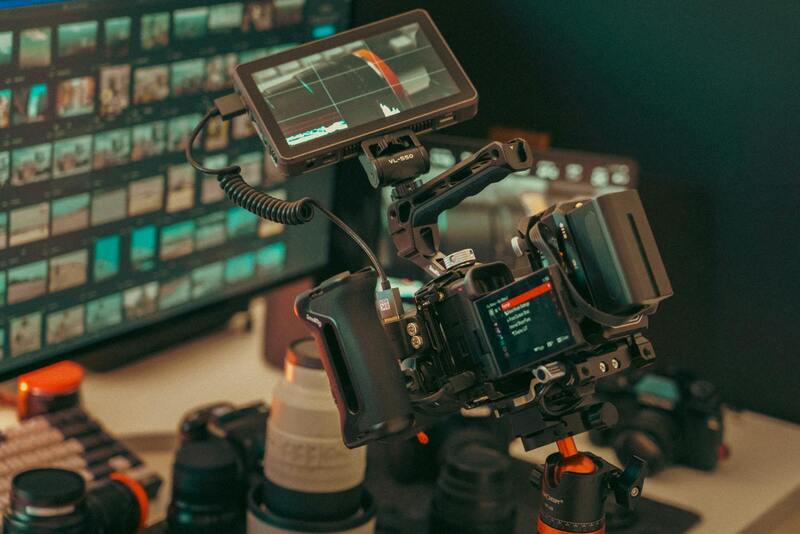
Furthermore, video testimonials can significantly improve search engine visibility. Search engines favor video content, and when integrated into a website alongside relevant keywords, they can increase organic traffic. Quality testimonials also benefit from sharing across social media platforms, where visual content tends to generate higher engagement.
Beyond marketing, video testimonials contribute to a comprehensive customer experience strategy. They serve as valuable feedback mechanisms, allowing businesses to understand client perspectives more clearly. Moreover, they foster stronger relationships by showcasing authentic, human stories that highlight a company's commitment to customer success.
Implementing professional video testimonial production ensures high-quality content that aligns with a brand’s visual identity. From lighting and sound to editing and storytelling, every element must work cohesively to convey authenticity and professionalism. When crafted expertly, these videos become versatile assets capable of influencing potential clients at various touchpoints throughout the buyer’s journey.
Ultimately, well-executed video testimonials not only demonstrate a company's expertise and value but also inspire confidence among prospective clients. The combined power of storytelling, visual authenticity, and strategic distribution can lead to increased conversions, stronger brand loyalty, and sustained business growth.
Choosing the Appropriate Filming Environment and Technical Setup
To create compelling video testimonials that resonate with viewers, selecting an optimal filming environment is crucial. A controlled setting minimizes unwanted background noise, distractions, and lighting inconsistencies, creating a professional atmosphere that underscores the authenticity of the client's story. Typically, dedicated indoor spaces designed with soundproofing and neutral backdrops work best. Natural light can also be leveraged for a warm, approachable feel, but it must be balanced with artificial lighting to avoid shadows and uneven illumination.
Implementing Proper Lighting Techniques
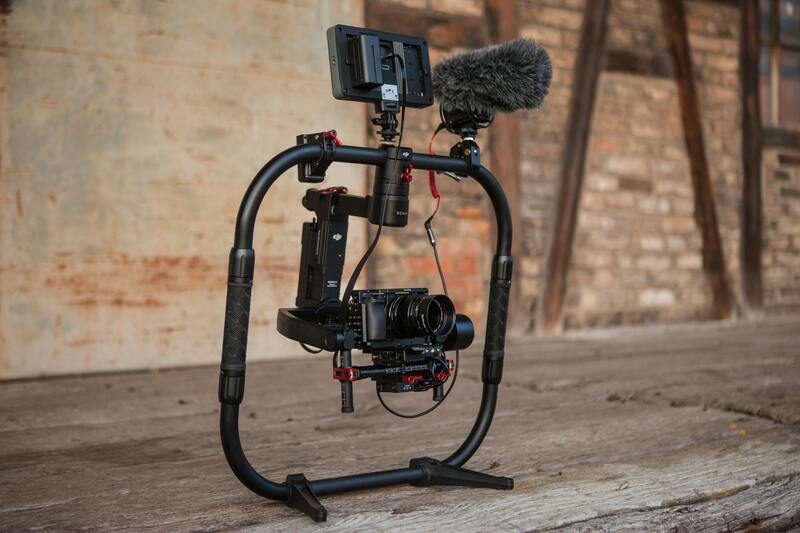
Effective lighting is fundamental in delivering high-quality testimonial videos. They should illuminate the subject evenly, emphasizing facial expressions and emotions without harsh shadows or glare. Three-point lighting setups—comprising key, fill, and backlights—are industry standards for achieving a professional look. When natural light is used, diffusers and reflectors can soften harsh sunlight, ensuring the subject remains well-lit throughout the shoot. Proper lighting not only improves visual clarity but also enhances the overall mood, making the testimonial more engaging and trustworthy.
Audio Recording Strategies for Clear, Authentic Sound
Clear audio is often the most overlooked aspect of testimonial production, yet it is vital for conveying sincerity and professionalism. High-quality lavalier microphones or shotgun mics should be used to capture the client’s voice directly, minimizing background noise. Conducting recordings in acoustically treated spaces reduces echoes and ambient sounds that can distract viewers. Monitoring audio levels in real-time and utilizing windshields can further improve sound quality. Authenticity is reinforced when viewers can clearly understand the client's message without distracting audio issues.
Camera Choices and Framing Essentials
The choice of camera equipment directly impacts the visual appeal of the testimonial video. High-definition cameras with reliable autofocus and smooth focusing capabilities produce sharp, vibrant images. Framing should adhere to the rule of thirds, positioning the client slightly off-center to create a balanced composition. Close-up shots effectively capture facial expressions, emphasizing emotional connection, while wider shots establish context and environment. Consistent framing and focus during the shoot contribute to a polished final product that exudes professionalism.
Post-Production Techniques to Elevate Testimonial Impact
Post-production is where testimonial videos transition from raw footage to compelling stories. Color correction enhances visual consistency and mood, aligning with the brand’s identity. Professional editing ensures seamless transitions, removing any distracting pauses or mistakes. Incorporating subtitles improves accessibility and viewer retention, especially when the testimonial is viewed without sound. Additionally, inserting branding elements and call-to-action overlays can guide viewers toward desired engagement points, maximizing the testimonial’s influence across various distribution channels. Sound editing, including background music and audio leveling, further supports the emotional tone, making the testimonial more persuasive and memorable.
Ensuring Authenticity and Video Quality in Testimonials
One of the most crucial aspects of producing effective video testimonials is guaranteeing the authenticity of the participants' messages and maintaining high-quality visual presentation. Authenticity hinges on selecting clients who genuinely believe in the product or service and can communicate their experiences convincingly. These individuals add credibility to the testimonial, making it resonate more profoundly with prospective customers. When preparing clients, it’s important to encourage honest storytelling, avoid scripted responses, and foster a comfortable environment that allows their genuine emotions to surface.
From a technical perspective, the visual quality of testimonial videos plays a pivotal role in establishing trust and professionalism. Utilizing high-quality cameras capable of capturing clear and crisp images ensures that facial expressions and body language are easily discernible, which is vital for emotional engagement. Proper lighting, camera angles, and sound are equally important. Well-lit scenes eliminate shadows that can obscure facial features, while clear audio recordings eliminate distractions that could detract from the message's clarity. Shot composition should follow established principles such as the rule of thirds, ensuring that the subject is balanced within the frame, and close-up shots can highlight emotional expressions, adding depth to the story being told.
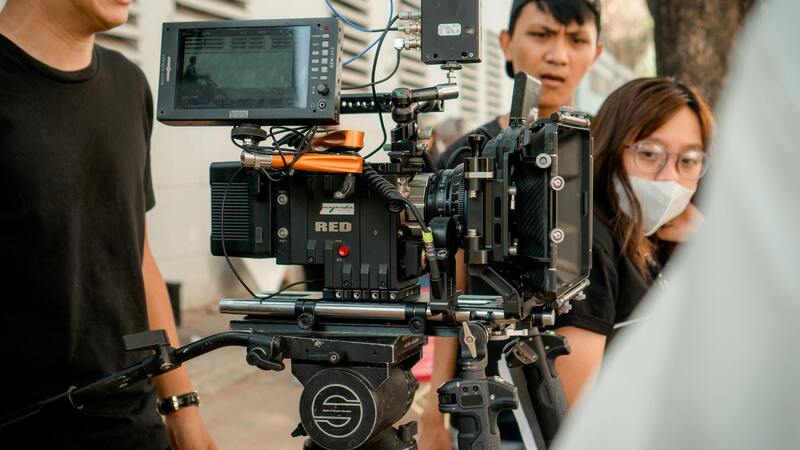
Effective camera techniques include stabilizing footage to avoid shaky visuals, which can undermine credibility, and maintaining consistent framing throughout the interview or presentation. Multiple angles or cutaways can be employed to add visual interest without disrupting the narrative flow. When selecting filming equipment, professionals often opt for fast lenses that perform well in various lighting conditions, and use external microphones or lavalier microphones to capture crisp, clear audio. These technical choices ensure that the final product communicates authenticity and professionalism, reinforcing the client's message and enhancing viewer engagement.
Additional attention should be given to setting and background to avoid visual clutter and ensure the testimonial remains the central focus. Simple, tidy backgrounds free of distractions help viewers concentrate on the speaker's words, while branding elements or relevant imagery can subtly reinforce brand recognition. It’s equally important to record multiple takes if necessary, allowing for the selection of the most natural and compelling performance during editing. The combination of authentic client stories and top-tier production techniques results in testimonials that are both trustworthy and visually engaging, ultimately fostering a stronger connection with the target audience.
Technical Considerations and Best Practices in Video Testimonial Production
Creating impactful video testimonials requires meticulous attention to technical details that significantly influence the final product's quality. These elements include camera work, audio clarity, lighting, and background composition, all of which work together to produce a polished and credible presentation.
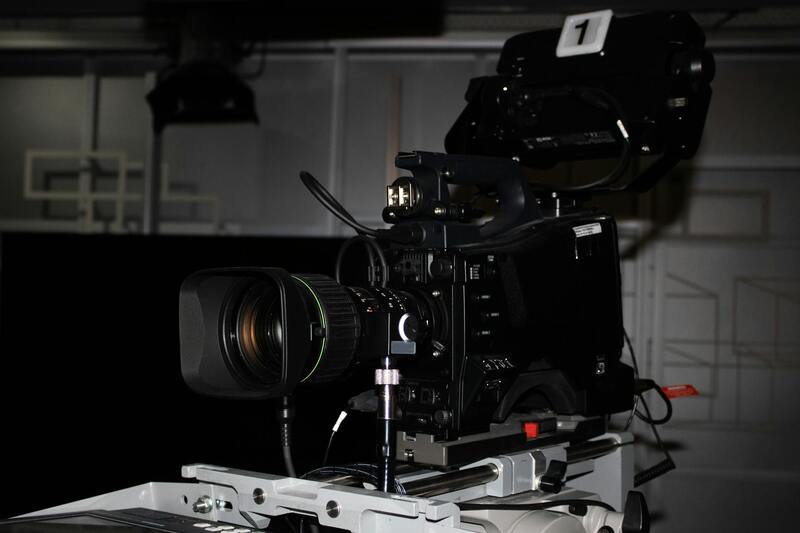
High-quality camera equipment is fundamental to capturing sharp, vibrant visuals. Professionals often choose camera setups with high-resolution sensors and fast lenses to ensure clarity even in varying lighting conditions. Stabilization tools, such as tripods, gimbals, or steadicams, prevent unwanted camera movement, contributing to a smooth viewing experience. Incorporating multiple angles or cutaway shots can add visual interest and depth, making the testimonial more engaging while maintaining focus on the speaker.
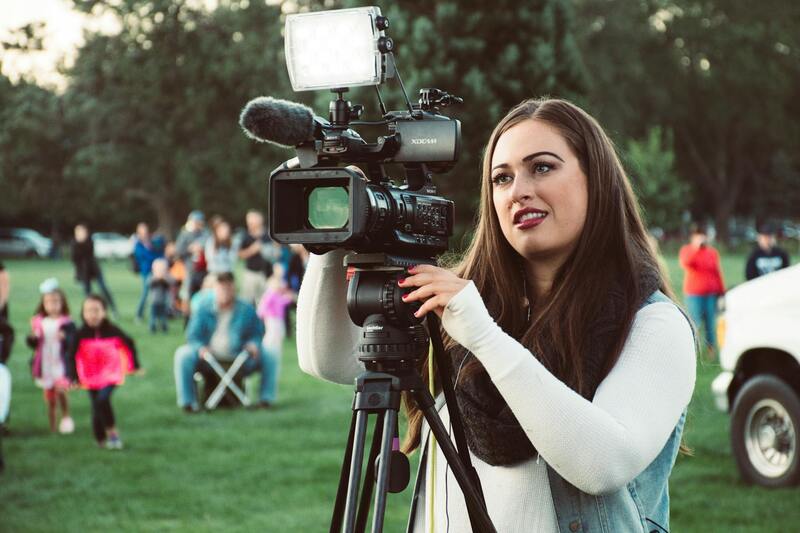
Audio quality is equally vital. Utilizing external microphones, such as lavalier or shotgun microphones, ensures clear and crisp sound capture. This precision helps convey sincerity and authenticity, which are crucial for establishing trust with viewers. Background noise reduction and proper microphone placement further enhance clarity, preventing distraction and allowing the viewer to focus solely on the client's story.
Lighting plays a crucial role in setting the mood and highlighting the speaker convincingly. Controlled lighting setups eliminate harsh shadows and create a flattering, consistent look. Soft, diffused lighting is generally preferred, especially for indoor interviews, as it minimizes distractions and presents the client in a professional manner. Additionally, attention should be given to background selection; simple, uncluttered environments with minimal visual distractions help keep the focus on the individual and their message. Incorporating subtle branding elements or relevant imagery can reinforce brand recognition unobtrusively.
The environment for recording should be carefully chosen to ensure comfort and natural delivery. Quiet spaces free from interruptions support clients in speaking confidently and authentically. Recording multiple takes gives editors options to select the most compelling segments, ensuring the final testimonial represents the client's genuine voice.
Effective post-production enhances the testimonial's impact. Color correction and sound mixing refine the visual and audio quality, aligning the footage with the brand’s aesthetic standards. Incorporating graphics or subtitles can further clarify key points, especially if the testimonial is used across diverse platforms. The goal is to produce a seamless, engaging story that maintains viewer interest and invites emotional connection.
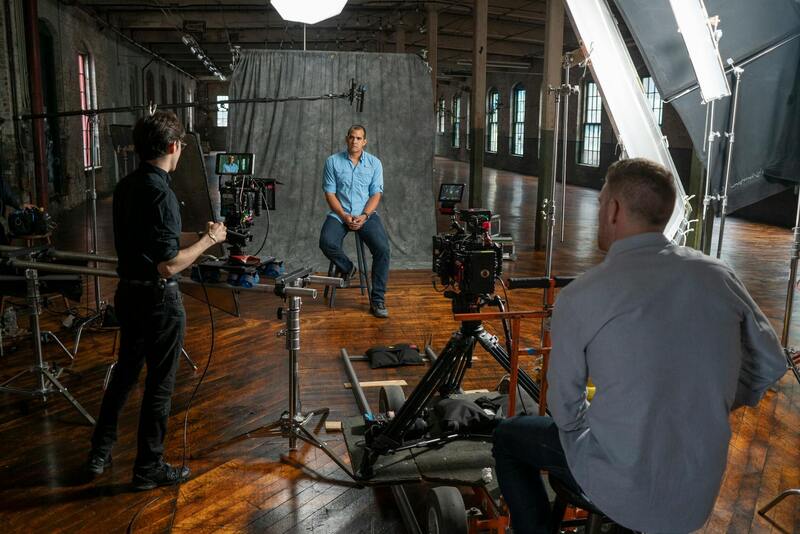
In sum, mastery of technical execution—through high-grade equipment, environment management, and post-production refinement—is essential to crafting video testimonials that resonate authenticity, professionalism, and influence. This careful approach ensures each testimonial serves as a credible tool for building trust and compelling audiences across various marketing channels.
Leveraging Professional Techniques for Effective Video Testimonial Production
Creating impactful video testimonials extends beyond capturing candid responses; it involves a strategic application of production techniques that ensure the final content is authentic, engaging, and aligned with brand standards. The core elements include meticulous planning of filming setups, deliberate control over lighting and sound environments, and the deployment of post-production methods that enhance credibility and appeal.
Optimal Filming Strategies
- Camera Placement: Position the camera at eye level to foster a sense of direct engagement between the viewer and the interviewee. Using a stable tripod prevents unnecessary movement, maintaining consistent framing and focus throughout the recording.
- Frame Composition: Employ the rule of thirds to create a balanced image that directs attention naturally to the subject. Incorporating slight headroom and ensuring the background complements without distracting amplifies the overall visual quality.
- Multiple Takes: Recording several takes provides options during editing. This approach captures genuine reactions, spontaneous expressions, and variations in delivery, enabling editors to select the most compelling segments that resonate authentically.
Lighting Techniques to Illuminate Authenticity
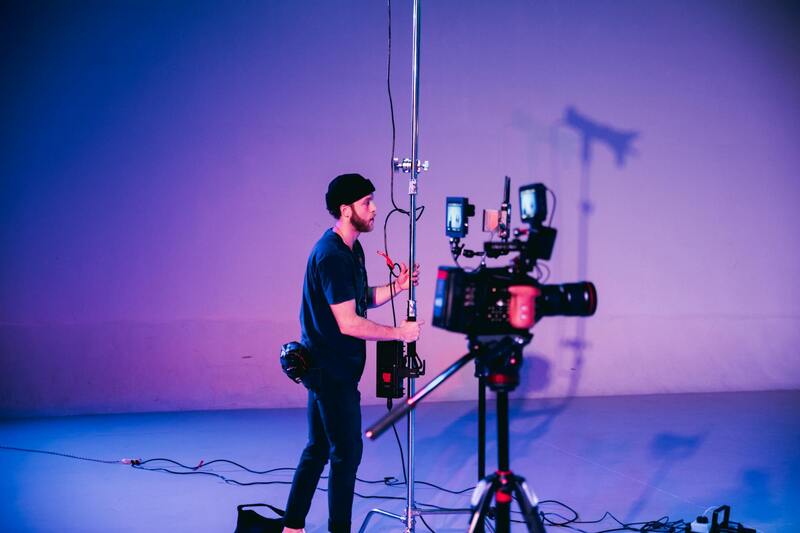
- Three-Point Lighting: This classic setup involves a key light, fill light, and backlight, which work together to eliminate harsh shadows and evenly illuminate the client's face. Adequate lighting accentuates emotional nuances and fosters viewer trust.
- Soft Light Sources: Diffused lighting reduces unflattering shadows and produces a more natural, flattering appearance. Using softboxes or ring lights can achieve this effect effectively.
- Consistent Lighting Conditions: Maintaining uniform lighting conditions ensures visual coherence across multiple testimonial videos, essential for branded content series or campaigns.
Audio Capture for Clear Communication
- High-Quality Microphones: Selecting lavalier, shotgun, or condenser microphones tailored to the environment guarantees crisp, intelligible audio. Proper placement minimizes background noise and echoes.
- Sound Environment: Recording in quiet, acoustically treated spaces reduces ambient noise and reverberation. If the location isn't soundproofed, using portable sound booths or shielding can improve audio clarity.
- Monitoring During Recording: Continuous audio monitoring allows real-time adjustments, ensuring that issues such as volume fluctuations or interference are addressed instantly.
Post-Production Refinements
Post-production is pivotal in transforming raw footage into polished testimonials that captivate audiences. This phase involves color correction, sound mixing, and visual enhancements to reinforce the message's authenticity and professionalism. Incorporating graphics, subtitles, or branding elements subtly sustains viewer engagement and reinforces brand recognition. Seamless editing ensures the testimonial flows naturally, emphasizing key points while maintaining the speaker’s genuine voice and emotion. High-quality post-production elevates the overall impact, making each testimonial a credible and compelling tool that builds confidence and trust among viewers.
Editing and Enhancing Testimonial Content
Once the initial footage has been captured, the process of editing becomes crucial in transforming raw recordings into compelling testimonials that effectively communicate the client’s story. Meticulous editing ensures that the message remains clear, authentic, and engaging. It allows for the highlighting of key points, removal of unnecessary segments, and the fine-tuning of visual and audio elements to align with branding guidelines.
Effective editing begins with reviewing all footage to identify the most impactful moments. Selecting clips that showcase genuine emotion, clarity in storytelling, and consistent messaging enhances authenticity. Incorporating seamless transitions between segments maintains viewer engagement and preserves a professional flow throughout the video.
Techniques to Enhance Testimonial Quality
- Color Correction and Grading: Adjusting color tones helps in creating a uniform look across all testimonial videos, reinforcing brand identity and visual consistency.
- Audio Enhancement: Applying noise reduction and equalization ensures clarity and full-bodied sound. Balancing audio levels between different clips prevents abrupt volume changes that could distract viewers.
- Subtitles and Graphics: Adding subtitles not only makes testimonials accessible to broader audiences but also emphasizes key messages. Graphical elements like logo placement or lower thirds can reinforce branding subtly without overwhelming the viewer.
- Pacing and Flow: Editing for tempo ensures that the testimonial maintains viewer interest—slow, reflective segments can be balanced with more energetic moments for emotional impact.
The goal is to craft a polished final product that communicates credibility, authenticity, and emotional resonance. Skilled editing can turn a straightforward testimonial into a compelling piece that resonates deeply with prospective clients or customers, ultimately serving as a powerful marketing tool.
Effective Distribution Strategies for Video Testimonials
To maximize the impact of your video testimonials, deploying a strategic distribution plan is essential. The goal is to ensure that these authentic stories reach your target audience through the most relevant and engaging channels. This process begins with identifying platforms where your potential clients are most active, including your official website, social media platforms, email marketing campaigns, and specialized industry forums.
Each platform requires a tailored approach to presentation:
- Website Integration: Embedding testimonials prominently on your homepage and dedicated case study pages provides visitors immediate proof of your value. Using compelling thumbnails and clear call-to-action prompts encourages visitors to view the full videos, fostering trust and conversion.
- Social Media Distribution: Sharing shorter snippets or teaser clips on channels like LinkedIn, Facebook, and Instagram can generate interest. Regular posting schedules, combined with targeted advertisements, help increase visibility among specific demographics.
- Email Campaigns: Incorporate testimonial videos into newsletters or personalized outreach emails. Featuring real customer stories enhances credibility and can significantly improve engagement rates.
- Industry and Media Partnerships: Collaborating with industry blogs or media outlets to feature your testimonials expands your reach and positions your brand as a leader in your niche.
Optimizing Testimonial Videos for Each Platform
Effective distribution is complemented by platform-specific optimization:
- Video Length: Short clips perform better on social media, typically under one minute, emphasizing key messages. Longer, detailed testimonials can be reserved for your website or internal use.
- Captions and Subtitles: Including captions is crucial for accessibility and viewer retention, particularly on platforms where videos auto-play muted.
- Branding Elements: Consistent placement of your logo and brand colors within the videos reinforces recognition across all channels.
- Call-to-Action (CTA): Clear, compelling CTAs guiding viewers to contacts, booking pages, or additional content encourage further engagement.
Monitoring and Refining Distribution Efforts
Tracking the performance of testimonial videos involves analyzing engagement metrics like views, shares, click-through rates, and conversions. Tools such as platform analytics or third-party marketing software can provide valuable insights. Based on this data, you can refine your distribution strategy, focusing more on high-performing channels or experimenting with new formats and timings.
Success hinges on consistent evaluation and refinement, ensuring that your testimonial videos continue to resonate and influence your audience effectively.
Ensuring the Credibility and Authenticity of Your Video Testimonials
Maintaining the integrity of your testimonial content is essential to foster trust and authenticity with your audience. Relying on verified sources and transparent practices ensures that your testimonials are perceived as genuine and credible. Incorporate clear attributions, such as full names, titles, and company affiliations, which add context and bolster authenticity. When clients or customers explicitly consent to the use of their testimonies, obtain written approval that details how their videos will be used, stored, and distributed, reinforcing transparency.
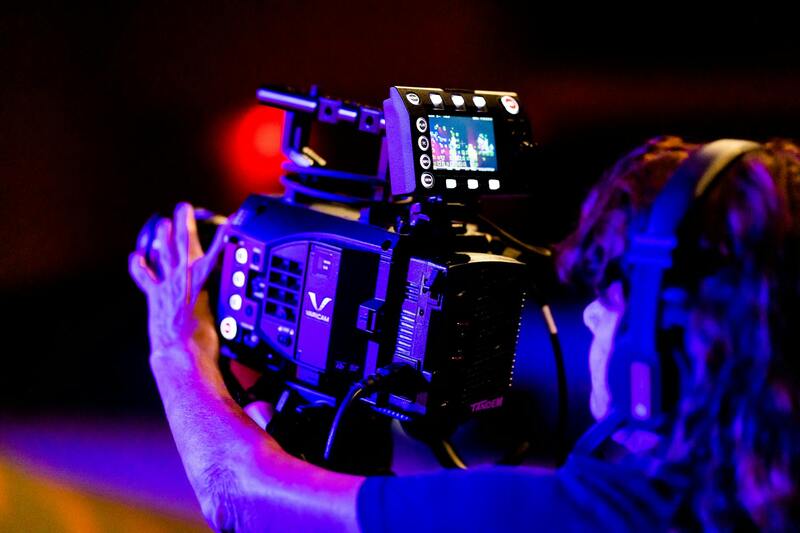
It’s crucial to avoid modifying testimonial content in a manner that alters its original message or intent. Edits should be minimal, focused on technical enhancements like lighting or audio clarity, without distorting the core message. Clearly indicate when edits are made to prevent any perception of manipulation. Using high-quality production techniques helps preserve the original voice and emotion conveyed by participants, making the testimonial more impactful and credible.
Leveraging Customer Consent and Ethical Practices
- Explicit Permission: Always secure written consent from clients confirming their willingness to participate and share their experiences.
- Transparent Usage: Clearly communicate how the testimonial will be used, including distribution channels and content duration.
- Respect for Privacy: Offer options for clients to restrict certain information or to remain anonymous if preferred, while still providing value to viewers.
Implementing Quality Control Measures
- Verification of Facts: Double-check all statements for accuracy and ensure they reflect genuine experiences.
- Consistent Messaging: Ensure testimonial content aligns with your brand voice and messaging standards.
- Technical Review: Conduct thorough quality assessments for audio, video clarity, and visual presentation to avoid distractions or misinterpretations.
By adhering to strict ethical and procedural standards, your video testimonial productions will foster genuine engagement, reinforce your brand’s reputation, and support your broader marketing objectives. Authenticity and credibility are fundamental drivers of viewer trust, making these practices essential components of a successful testimonial strategy.