Factors Influencing Video Interview Pricing
Understanding the fundamentals behind the pricing of video interview services necessitates an examination of various critical factors that can impact overall costs. These elements encompass the scope of the project, the complexity of production, and the specifics of location, among others. Accurately assessing these components allows clients to better anticipate expenses and make informed decisions about their investment into professional video content.
Scope of the Project
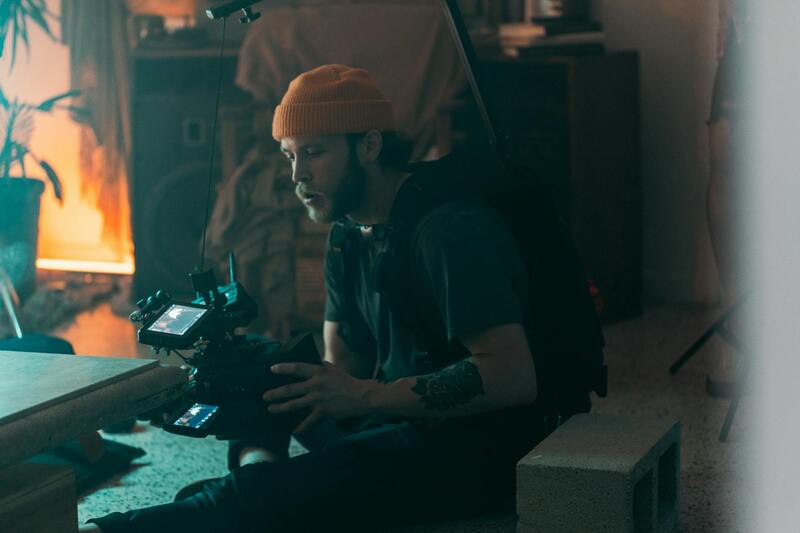
The breadth of the project significantly affects pricing. A simple, single-camera interview with minimal editing will generally cost less than a multi-angle production that requires multiple crew members, extensive post-production, and additional equipment. Clear definitions of the project's goals and deliverables help establish realistic budgets and expectations from the outset.
Production Complexity
Higher complexity in production processes often translates to increased costs. Factors such as the need for specialized lighting, sophisticated audio setups, animated graphics, or interactive elements contribute to this. The more intricate the desired output, the more resources and expertise are required, which can escalate the overall price.
Location Considerations
The choice of filming location, whether a dedicated studio, on-site at a client’s premises, or a remote outdoor setting, influences costs notably. Locations with difficult access, permits, or travel requirements can add to the budget. Furthermore, certain environments may necessitate additional equipment or logistical arrangements to ensure quality production standards.
Other elements like talent fees, licensing fees, and technological requirements also play a role in shaping the final pricing. This comprehensive understanding of influencing factors is essential for clients aiming to align their production needs with their financial planning.
Average Cost Range in Miami
In Miami, the cost for professional video interview services varies based on multiple factors, including project complexity, production quality, and specific client needs. Typically, the price range begins at approximately $1,000 for straightforward, single-camera interviews with minimal editing, and can exceed $10,000 for more elaborate productions involving multiple cameras, advanced graphics, and extensive post-production work. For high-end corporate video interviews or branded content, the investment often extends further, reflecting the premium quality and specialized resources involved.
Understanding the local market rates is essential when budgeting. Miami, known for its vibrant media production scene, offers a spectrum of options from boutique studios to large production houses. While lower-cost providers may offer basic services, higher prices are usually associated with comprehensive packages that include multiple filming locations, professional talent, and advanced visual effects. Clients should request detailed quotes to compare service inclusions effectively.
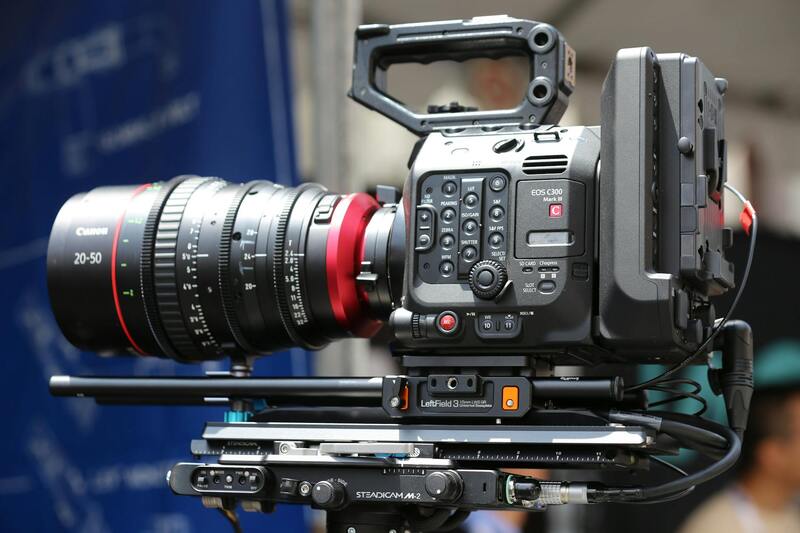
It is also worth noting that regional costs such as studio rental fees, equipment charges, and local talent rates influence the final price. Miami’s bustling media environment often leads to competitive pricing, but added costs may accrue from urgent scheduling, travel arrangements for crew members, or specialized permits for shooting in certain locations. Clients are encouraged to clarify these variables beforehand to ensure accurate budgeting and set clear expectations for deliverables.
Factors That Can Increase or Decrease Price
Several specific elements can impact the overall expenditure beyond baseline estimates:
- Production Scale: Larger crews, multiple shooting days, or more intricate setups amplify costs.
- Equipment Requirements: Use of high-end cameras, drone footage, or sophisticated lighting setups elevate expenses.
- Post-Production Complexity: Detailed editing, motion graphics, color grading, and sound design contribute to cost variation.
- Location-Specific Factors: Filming in remote or restricted areas incurs additional access, permit, or transportation fees.
- Talent and Crew Fees: Hiring professional hosts, voice-over artists, or technical staff influences billing.
- Turnaround Times: Urgent delivery schedules typically attract premium charges due to resource prioritization.
By understanding these factors, clients can tailor their videos to meet budget constraints while maintaining a high standard of quality. Adjustments in scope, such as simplifying the production or consolidating filming locations, can significantly reduce costs without compromising core messaging.
Budgeting Tips for Clients
Effective budgeting involves detailed planning and strategic decisions:
- Define Clear Objectives: Delineate your primary goals and essential outcomes to avoid extraneous expenses.
- Prioritize Key Elements: Focus on high-impact aspects like talent and core message delivery, and consider scaling back on auxiliary features.
- Request Detailed Quotes: Ensure proposals specify all costs—including equipment, locations, and post-production—to prevent surprises.
- Consider Package Deals: Many production companies offer bundled services that can deliver savings through combined offerings.
- Plan for Contingencies: Allocate a portion of your budget for unforeseen expenses or adjustments during production.
Early engagement with production vendors can foster clearer communication, align expectations, and facilitate cost-effective planning that aligns with project objectives.
Evaluating Cost Versus Quality
Cost considerations are integral to selecting the right production partner. While budget constraints are valid, the lowest price does not always guarantee the best outcome. High-quality video interviews require skilled personnel, quality equipment, and meticulous post-production processes—factors that typically reflect in the pricing. Clients should balance cost with the value offered, reviewing portfolios and seeking references to assess production standards.
Investing in a reputable provider often translates into higher production value, polished visuals, and engaging content that effectively communicates the intended message. Conversely, overly economical options may compromise on visual fidelity or overall professionalism, which can diminish the impact of the final product. A thorough evaluation of both deliverables and pricing ensures a sustainable approach to achieving compelling video content within budget.
Additional Costs and Hidden Fees
Beyond the initial estimates, clients should be aware of potential additional costs that can influence total expenditure:
- Travel and Accommodation: Expenses for crew members, talent, or equipment transport may not be included upfront.
- Permits and Location Fees: Filming in certain areas might require permit fees or location-specific charges.
- Specialized Equipment: Add-ons such as 4K cameras, stabilizers, or drone licenses come at extra costs.
- Post-Production Revisions: Multiple rounds of edits or significant changes after initial approval often incur additional fees.
- Delivery Formats: Providing content in multiple formats or resolutions can increase costs, especially for large-scale distributions.
To avoid budget overruns, clients should clarify inclusions and potential additional expenses during initial discussions, and consider allocating a contingency fund to accommodate unforeseen costs effectively.
Factors Influencing Video Interview Pricing
Understanding the key elements that impact the cost of producing a professional video interview is essential for clients aiming to make informed decisions. Several factors come into play, each contributing to the overall pricing structure and influencing the quality and scope of the final product.
Scope and Complexity of the Project
The scale of the video interview significantly affects the pricing. A simple one-on-one interview recorded in a controlled environment will generally cost less than a robust production involving multiple locations, multiple participants, or complex setups. Projects requiring specialized setups, such as live streaming, multi-camera angles, or interactive elements, tend to incur higher costs. The complexity of the interview’s script, length, and required post-production editing also plays a parallel role, as more intricate projects demand additional resource allocation.
Location and Setting
Filming in a controlled studio environment typically incurs lower costs compared to shooting on location. When outdoor or on-site filming is necessary, expenses such as permits, location fees, transportation, and logistics come into play. Urban environments or sites with restricted access often demand additional planning and possibly higher fees, which can influence the overall budget.
Talent and Crew Requirements
The number and expertise level of crew members, along with the talent involved, directly impact the pricing. High-profile guests, industry experts, or celebrity figures may require specific accommodations and additional compensation. Professional crew members, including directors, videographers, sound engineers, and lighting specialists, each contribute to the overall production costs, especially if their services are needed on location or for extended periods.
Equipment and Technical Specifications
The choice of equipment, such as 4K cameras, professional lighting setups, and advanced sound recording devices, can elevate the production value but also increase costs. Specialized equipment like drones or steadicams involve additional licensing and handling fees. Custom graphics, on-screen text, or animated overlays also add to the technical expenses.
Post-Production and Editing Requirements
Post-production is a critical phase that can account for a substantial portion of the total cost. Editing, color correction, sound balancing, and the addition of graphics or captions require skilled editors and time. The number of revisions and the complexity of the editing process influence the final fees. Delivering content in multiple formats or resolutions for various distribution channels can further affect the overall pricing.
Turnaround Time and Delivery Deadlines
Urgent delivery requests often necessitate additional resources, overtime work, or expedited procedures, which can elevate costs. Planning ahead and setting realistic timelines may help manage expenses effectively.
Factors That Can Increase or Decrease Price
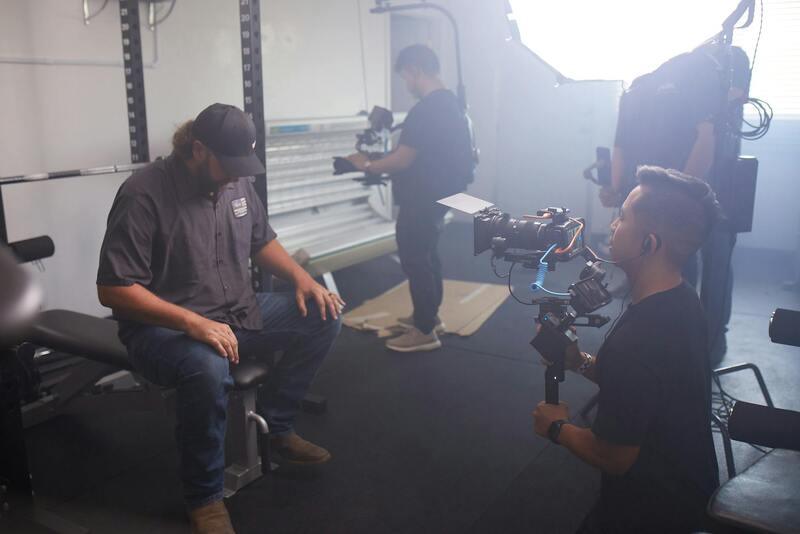
Understanding the variables that influence the cost of a video interview is crucial for budgeting effectively. Several factors can either elevate or reduce the overall pricing, depending on the project's specific requirements. These elements include the duration of the interview, the number of participants involved, the complexity of the location, and the scope of post-production work.
- Interview Length: Longer interviews naturally demand more shooting time, additional crew presence, and extended editing sessions, which translate into higher costs. Conversely, concise interviews can be more budget-friendly while still delivering impactful content.
- Number of Participants: Adding more interviewees or panel members increases logistical planning, camera setups, and editing complexity, thereby affecting the final price. Efficient planning can optimize costs when multiple participants are involved.
- Location Requirements: Filming at remote or challenging sites can incur travel costs, equipment transportation, and permits, all contributing to higher expenses. Filming in a controlled environment, such as a professional studio, may offer more predictable costs.
- Post-Production Complexity: Advanced editing techniques—including animations, motion graphics, or special effects—add to the timeline and cost. Prioritizing essential edits versus extensive overlays helps control the budget.
- Technical Demands: Incorporating high-end equipment like drone footage, multi-camera setups, or specialized audio recording gear increases technical costs. These investments are justified when aiming for high production value.
Additional Factors Impacting Cost Dynamics
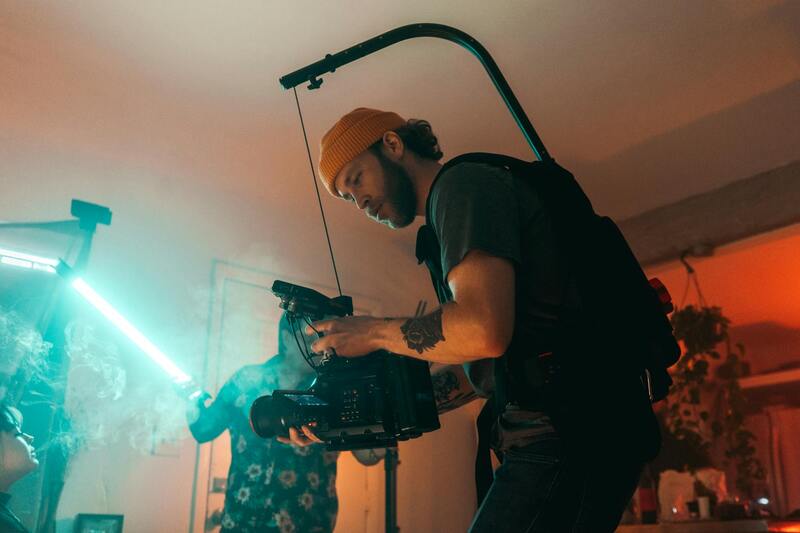
Besides core project variables, other elements may influence the final pricing. These include the urgency of delivery, specific technical requests, and the level of customization desired. Working within tight deadlines often involves additional staffing or overtime, which can elevate costs. Customized graphics or branding overlays, while enhancing visual appeal, require extra post-production effort. Additionally, the need for multiple delivery formats—such as web-ready videos, high-resolution versions for presentations, or social media snippets—can generate extra charges if not included in initial estimates.
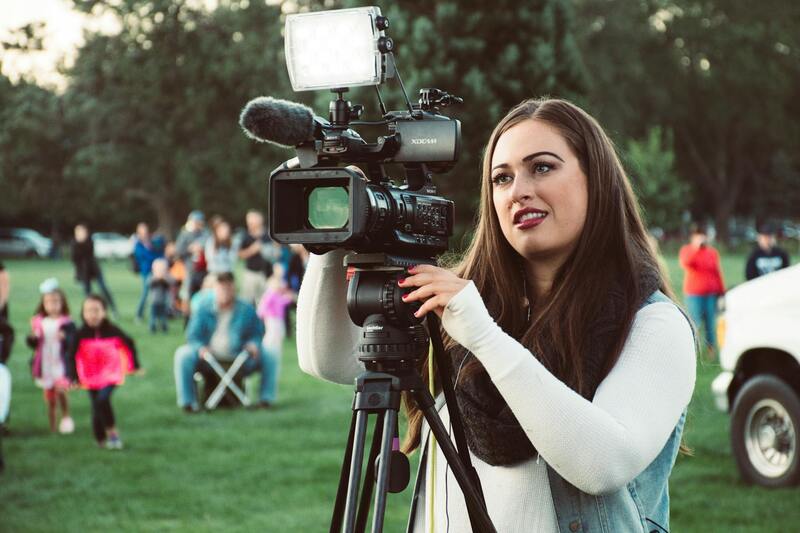
Factors Influencing Video Interview Pricing
Determining the cost of a professional video interview involves a comprehensive evaluation of several key elements. The project's scope plays a fundamental role, including the length and complexity of the interview, the number of locations involved, and the degree of post-production required. Additionally, the intended use and distribution channels influence pricing—content destined for high-traffic platforms may necessitate higher production standards, impacting overall costs. Geographic location also plays a significant role; while Miami offers a vibrant backdrop and a diverse talent pool, location-specific expenses such as permits, transportation, and location fees can significantly impact the budget. Technical demands, such as the need for specialized equipment or multi-camera setups, further contribute to price variability. The complexity of editing work, including color grading, visual effects, or motion graphics, adds layers of expense that should be factored into the total budget.
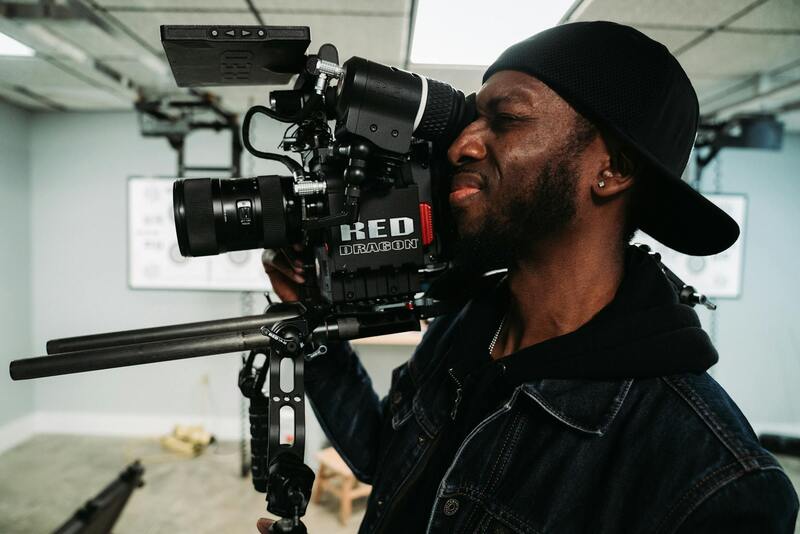
Typical Pricing Models for Video Interviews
Video interview services generally adopt one of several pricing structures. Hourly rates are common, especially for smaller projects or initial consultations, and can range based on the expertise of the production team and equipment used. Flat-rate packages are frequently offered for full-service projects, providing clients with a predictable cost that covers pre-production, filming, and post-production. Lastly, some providers use a tiered pricing system, where basic interviews are more affordable, but additional features such as on-site filming, advanced editing, or extensive graphics are billed as extras. It's important for clients to review what each package includes to ensure the services align with their expectations and budget.
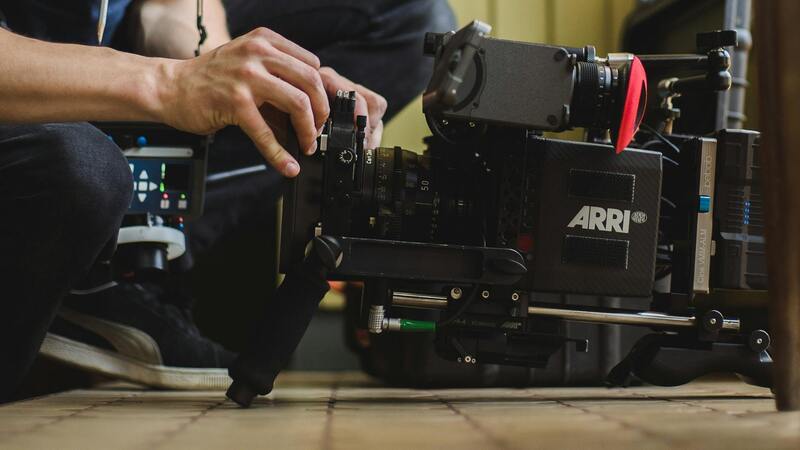
Average Cost Range in Miami
In Miami, the cost of professional video interview production typically falls within a broad range due to varying project scales and technical needs. Basic interviews with minimal editing can start at approximately $1,500 to $3,000. These may involve straightforward filming and standard post-production. For more polished or branded content requiring multiple locations, advanced editing, or specific equipment, costs can escalate to $5,000 to $12,000 or higher. Larger-scale projects, such as corporate recruiting videos or high-profile interviews with multi-camera coverage and complex post-production, often exceed $15,000. Collaborating with a seasoned Miami-based video production team can ensure that the project aligns with your budget while meeting demanding quality standards.
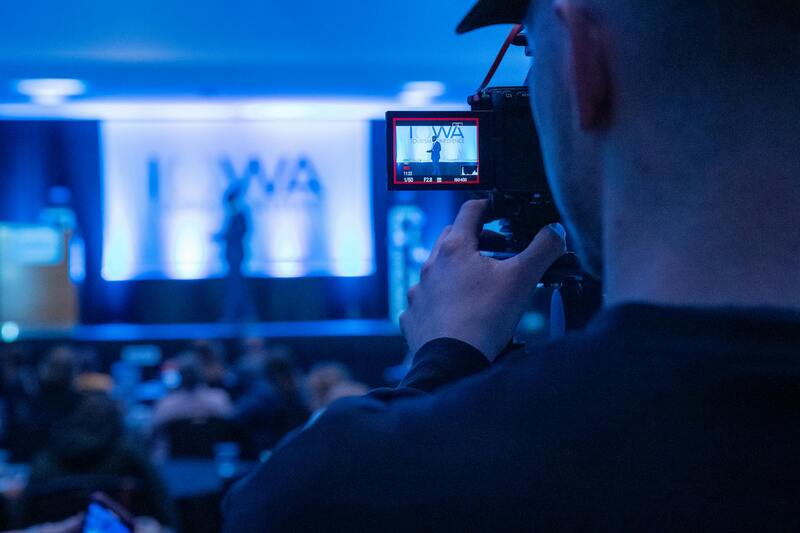
Factors That Can Increase or Decrease Price
Several specific elements can influence the final pricing of a video interview project, either elevating or reducing costs. Location scouting and securing permits for shooting in certain Miami venues or public spaces are often necessary and can add to expenses. The duration of the shoot, including setup, filming, and breakdown, directly affects labor costs, especially when multiple crew members are involved. The level of technical complexity, such as the use of drones, multi-camera configurations, or specialized audio equipment, also impacts the bill—advanced gear demands skilled operators and higher rental fees. In terms of post-production, the extent of editing required plays a key role; projects emphasizing high-end visual effects or animations are naturally more costly. Conversely, opting for a streamlined approach focusing on essential editing can help control expenses. Client-specific requests such as branding overlays, logos, or customized graphics contribute additional costs that should be anticipated when planning the budget.
Additional factors include the timeline for project completion; tight deadlines may require overtime staffing or expedited services, which elevate costs. The number of deliverables or formats requested, like social media clips, high-resolution versions, or web-optimized files, can also influence the total expenditure. A thorough review of these variables ensures accurate budgeting and helps clients make informed decisions regarding resource allocation for their video interview projects.
Factors Influencing Video Interview Pricing
When determining the cost of a professional video interview, several key factors come into play that can significantly influence the final pricing. Understanding these elements allows clients to better anticipate expenses and align their budgeting with their project objectives. These factors include the scope of pre-production planning, such as location scouting, securing necessary permits, and scripting, all of which contribute to preliminary costs. The complexity of the shoot itself, including the location—whether a corporate office, outdoor setting, or a specialized studio—also impacts price due to potential venue fees and logistical arrangements.
Equipment requirements form another major component. High-end video interviews utilizing multi-camera setups, steady cam rigs, drone footage, or advanced audio systems naturally command higher rates because of the specialized talent and rental fees involved. Furthermore, the duration of the shoot influences labor costs; longer sessions with multiple takes or setups will escalate expenses. The number of crew members—such as director, camera operators, sound technicians, and lighting specialists—further affects the budget, especially when specialized skills are needed.
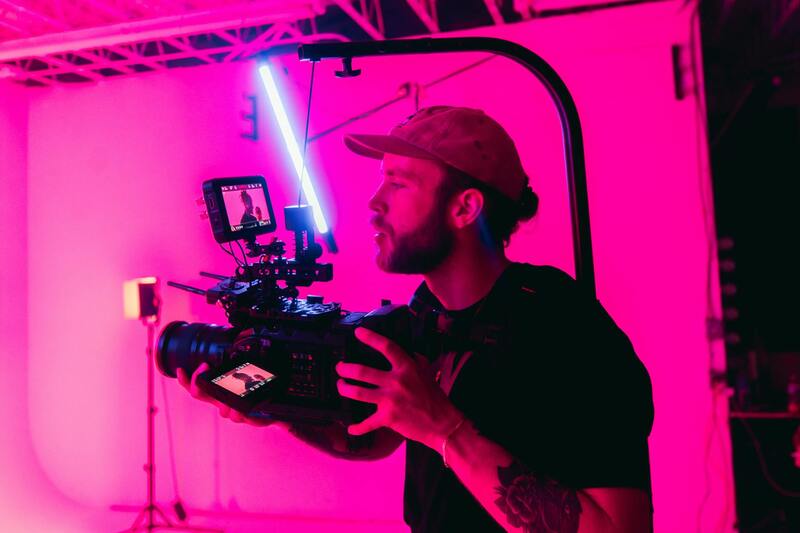
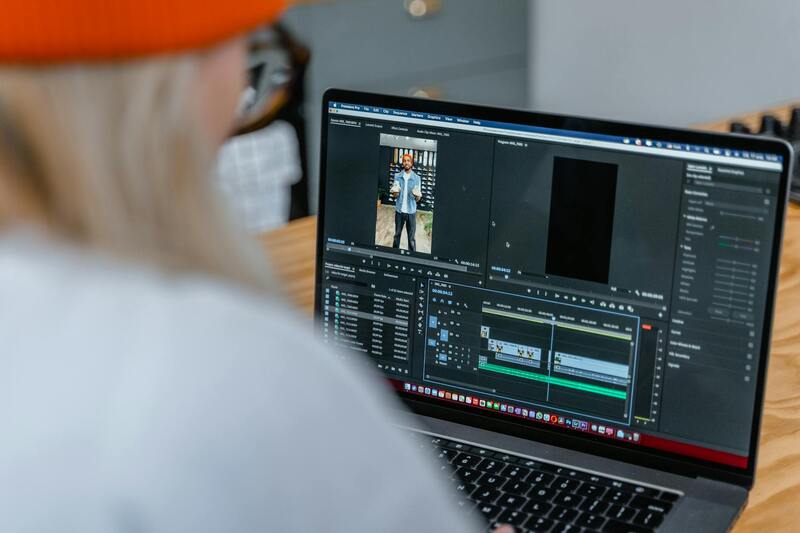
Post-production is equally vital in determining overall costs. Editing, color correction, sound design, and graphics can vary greatly based on the desired quality level. Projects that include motion graphics, branding overlays, or animations generally require more time and skilled personnel, raising prices accordingly. Turnaround time is another crucial factor; expedited editing or delivery deadlines often necessitate overtime work or additional staffing, which increases costs. Finally, the number of formats and delivery specifications, like social media snippets, high-resolution copies, or web-optimized footage, plays a role in final pricing, as each format may require additional editing or rendering.
Typical Pricing Models for Video Interviews
Video interview providers often structure their services under specific pricing models designed to cater to different client needs. A common approach is the flat fee model, where a predetermined amount covers the entirety of the project—from planning and filming to editing and delivery. This model offers predictability and simplifies budgeting for clients undertaking straightforward projects.
Hourly rates are also prevalent, especially for projects requiring flexible or short-term services. Clients are billed based on the actual hours spent on shooting and post-production, making this suitable for projects with evolving scopes or specific editing requests.
Package deals combine various services into comprehensive offerings, often including pre-production consultations, multi-camera shoots, and multiple rounds of editing. This approach can provide better value and clear cost expectations upfront, ideal for corporate clients or brands seeking consistent quality across multiple projects.
Average Cost Range in Miami
In Miami, the market for professional video interviews exhibits a broad spectrum of pricing, influenced by the city's vibrant production scene and diverse service offerings. For standard corporate interviews with basic lighting and minimal post-production, prices typically start at around $1,500 and can go up to $3,500, depending on geographic and logistical factors. These rates usually encompass a one-day shoot and straightforward editing.
More elaborate projects, like interviews incorporating multiple camera angles, professional lighting setups, and detailed editing—possibly with on-screen graphics or branding—can range from $4,000 to $10,000 or higher. High-end productions, which include drone footage, special visual effects, or very tight turnaround times, often exceed $15,000, reflecting the advanced equipment and specialized personnel involved.
It's essential to consider that these figures are general estimates. Variations depend on the specific requirements of the project and the experience level of the production company. Consulting with local Miami providers will offer more precise quotes tailored to individual needs.
Factors That Can Increase or Decrease Price
Several elements can either elevate or reduce the cost of a video interview project. For example, if the shoot involves complex set-ups—such as multi-camera arrangements, teleprompters, or specialty lighting—expenses will increase due to additional equipment rental and technician time. Conversely, opting for a straightforward, single-camera setup with minimal lighting can significantly lower costs.
Location-specific factors also affect pricing; shooting in highly sought-after or restricted venues may incur location fees and require permits, adding to the overall budget. In contrast, utilizing a client’s on-site facilities or public spaces with permission can reduce expenses.
The project's turnaround time can influence costs; tight deadlines often necessitate overtime labor or expedited editing, thereby increasing the final bill. Conversely, planning well in advance allows for more cost-effective scheduling and resource allocation.
Client-specific requests, including custom graphics, branded overlays, or multiple language versions, can also impact the final pricing. These additional features require specialized post-production work, which must be factored into the budget. Moreover, the level of production polish desired—ranging from basic interviews to cinematic-quality footage—dictates the scale of investment needed.
Budgeting Tips for Clients
To optimize expenditures, clients should clearly define their project goals and prioritize essential features. Early planning allows for accurate estimates and prevents last-minute costs associated with rushed services. It is advisable to gather multiple quotes from reputable Miami-based production companies, ensuring a fair comparison of offerings and pricing structures.
When working within a budget, consider simplifying the technical aspects—reducing camera angles, minimizing post-production effects, or opting for less elaborate lighting setups—to control costs without sacrificing quality. Leveraging existing client assets, such as branded materials or suitable locations, can also contribute to savings.
Establishing a realistic timeline and communicating deadlines upfront helps avoid premium charges related to expedited services. Additionally, discussing deliverables thoroughly ensures clarity on what is included within the quoted price, reducing the likelihood of unexpected fees later on.
Factors Influencing Video Interview Pricing
Understanding the elements that affect the cost of a video interview helps clients make informed decisions and enables production companies to offer accurate quotes. Several key factors contribute to the overall pricing, each impacting the scope, quality, and complexity of the project.
Scope and Duration of the Interview
The length of the interview is a primary determinant of cost. Longer sessions require more filming time, additional setup, and extended editing periods. Conversely, brief interviews or those with focused content can be produced more economically. The number of interviewees and the need for multiple camera angles or different locations can also influence the price, as these requirements extend both on-site production and post-production efforts.
Technical and Creative Elements
Higher production values often entail advanced lighting, professional audio, and high-definition cameras to ensure a polished presentation. The inclusion of custom graphics, animated overlays, or specific branding elements further elevates the professional look but also increases costs. Special effects or cinematic techniques, if requested, necessitate more sophisticated equipment and additional editing work.
Production Timeline
Urgent deadlines can impact pricing, with expedited services attracting premium charges. Planning ahead allows for better resource management, reducing the need for overtime or rushed editing, which can substantially decrease expenses. A detailed schedule that aligns with project milestones ensures smoother workflows and transparent costing.
Location and Logistics
On-location shoots typically involve travel expenses, permits, or location fees. If the shoot takes place in multiple settings or requires transportation of crew and equipment, these additional costs need to be considered. Utilizing existing or easily accessible venues may help control these expenses.
Post-Production Complexity
Editing, color grading, sound mixing, and the addition of visual effects contribute significantly to the final price. The desired level of post-production polish—from simple cuts to elaborate visual storytelling—affects labor hours and software licensing fees.
Equipment and Crew Size
The number of crew members and specialized equipment, such as drone footage or multiple studio cameras, impacts overall costs. Larger crews and advanced gear ensure higher production quality but also mean increased labor costs.
Typical Pricing Models for Video Interviews
Pricing models in Miami for video interview services tend to fall into established structures that accommodate different client needs and project scopes. Understanding these models helps clients select the approach that best fits their budget and desired outcome.
Flat-Rate Packages
Some providers offer comprehensive flat-rate packages that cover pre-production planning, filming, editing, and final delivery. These are ideal for clients seeking predictability, especially when project elements are well-defined from the outset. Flat-rate models gauge the total effort involved and include standard features, with additional costs for extra revisions or specialized requests.
Hourly or Daily Rates
Charging by the hour or day provides flexibility for projects with evolving requirements. This approach suits clients who prefer incremental costs based on actual work done, allowing for adjustments as the project progresses. It is especially useful for short-term shoots or when content needs are not firmly established initially.
Per-Project Quotation
Per-project estimates are curated after detailed consultations, taking into account the specific needs of the client. This method provides clarity upfront, with a tailored quote that considers the scope, complexity, and deadlines of the project. It offers transparency and often includes a breakdown of costs to help clients understand value distribution.
Retainer Models
For ongoing video content needs, some Miami video production companies offer retainer agreements. These provide continuous support, often involving a set fee per month in exchange for a predetermined number of videos or hours. This model fosters long-term collaboration and steady budgeting for consistent content production.
Average Cost Range in Miami
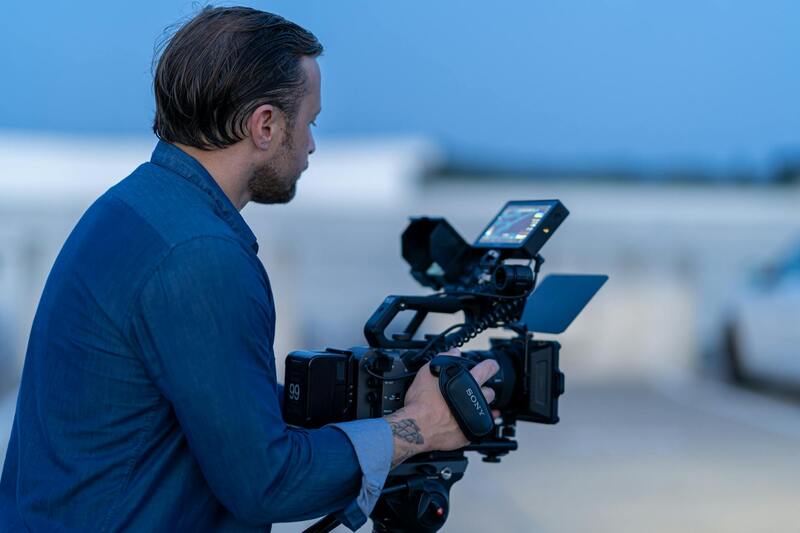
The cost for producing a professional video interview in Miami generally begins around $1,500 and can extend up to $10,000 or more, depending on the project specifics. Basic interviews with minimal editing and simple filming setups usually fall within the $1,500 to $3,000 range. Mid-tier projects, which involve multiple camera angles, branded overlays, and moderate post-production, often range from $3,000 to $6,000. Premium productions, featuring cinematic quality footage, extensive editing, animations, and dedicated crew members, can easily surpass $8,000 to $10,000—especially if location permits or specialized equipment is involved.
Factors That Can Increase or Decrease Price
While standard costs provide a baseline, specific project attributes may lead to adjustments:
- Additional Crew Members: Employing specialists such as directors, makeup artists, or set designers can elevate costs.
- Advanced Equipment: Drones, 4K cameras, or green screen setups typically add to expenses.
- Location Challenges: Difficult access sites or remote locations may incur extra logistics or travel charges.
- Customization and Special Effects: Incorporating bespoke graphics, animations, or visual effects enhances production value but also increases costs.
- Revisions and Extra Edits: Changes beyond the initial scope, especially those requiring extensive editing, can drive expenses upward.
Budgeting Tips for Clients
To maximize value, clients should prioritize clarity in their project goals from the beginning. Establishing a realistic budget and communicating specific needs upfront allows providers to tailor options that offer the best ROI. It is prudent to request detailed quotes from multiple Miami-based vendors, comparing not only prices but also the inclusions and quality indicators.
Furthermore, simplifying technical specifications—such as limiting camera moves, reducing post-production effects, or choosing basic lighting setups—can help contain costs without compromising core quality. Utilizing existing assets, including branded backgrounds or accessible filming locations, contributes to cost-efficient production. Planning ahead and setting transparent expectations regarding deadlines and deliverables minimize costly last-minute adjustments and expedite project completion.
Factors Influencing Video Interview Pricing
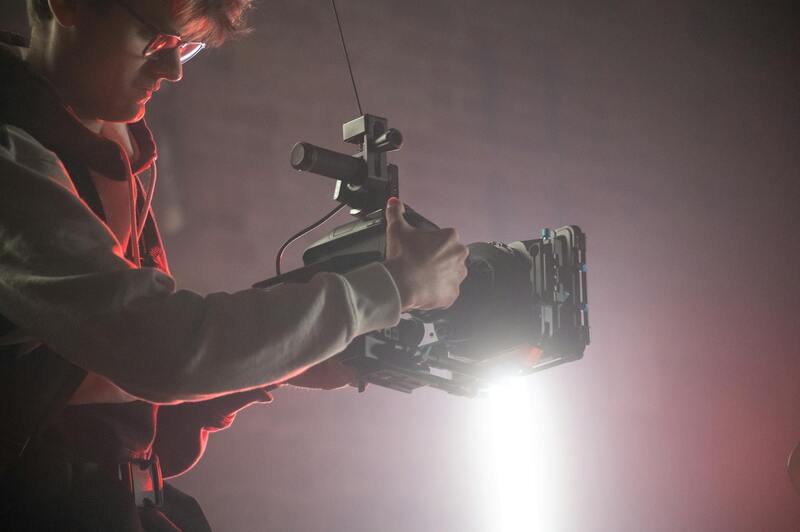
Several key variables directly impact the cost of producing professional video interviews in Miami. Geographic location plays a role, with urban centers like Miami typically incurring higher charges due to elevated operational costs, including studio rentals, crew wages, and equipment accessibility. Additionally, the scope of the project, including length, complexity, and desired quality level, can significantly influence pricing. High-definition formats, such as 4K, demand more advanced equipment and storage, raising expenses. The inclusion of specialized components like green screens, custom graphics, or visual effects also elevates the budget due to increased production and post-production time. Location-specific challenges, such as filming in remote or hard-to-access areas, can further add to costs through additional logistics and transportation expenses. Customization requirements, whether in terms of branding integration or interactive elements, contribute to the overall pricing structure, especially when bespoke editing or animations are involved. This multifaceted array of factors necessitates careful consideration when planning a video interview project to ensure alignment with budget expectations while achieving the desired production value.
Typical Pricing Models for Video Interviews
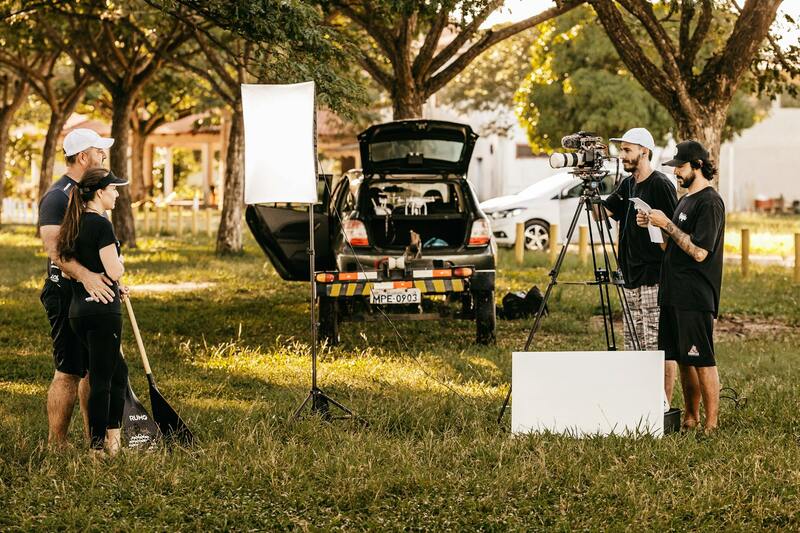
Pricing for video interviews generally follows standardized models that help clients understand what they are paying for and facilitate transparent comparisons among vendors. Common structures include:
- Flat Rate Pricing: This method offers a fixed price for a complete package, often suitable for straightforward interviews with minimal setup. It is ideal when project scope and deliverables are clearly defined upfront, providing predictability in budgeting.
- Hourly or Day Rate: Used primarily for projects requiring flexible or ongoing filming sessions, this model charges based on the actual time spent on production and post-production activities. It allows adjustments in scope as needed while maintaining control over costs.
- Per Project or Package Pricing: Combines elements of flat rates and customization, where the client receives a tailored quote encompassing all aspects of the production, including pre-production planning, shooting, editing, and revisions.
Choosing the appropriate model depends on project complexity, desired quality, and flexibility requirements. Working with a production partner that clearly outlines their pricing structure ensures transparency and helps avoid unexpected expenses.
Average Cost Range in Miami
In Miami, the cost for high-quality professional video interviews typically ranges from $1,500 to $7,000 or more, depending on project specifications. Basic packages, which include simple setups, standard cameras, and minimal editing, tend to fall around $1,500 to $3,000. More elaborate productions, featuring multiple camera angles, custom graphics, professional lighting, and extensive editing work, can reach $5,000 to $7,000 or beyond. Factors such as studio rental, location fees, and the experience level of the production team influence these figures. It is important for clients to evaluate what each quote includes to ensure they are comparing like with like, focusing on deliverables and quality standards rather than price alone.
Factors That Can Increase or Decrease Price
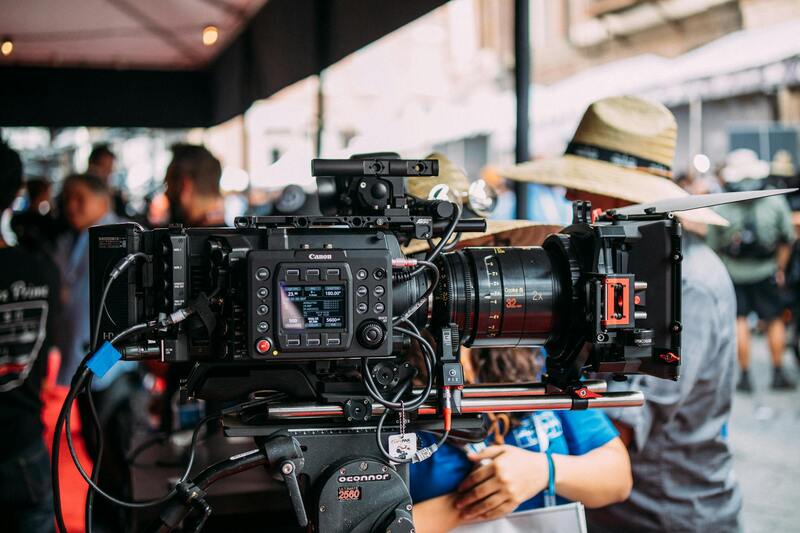
Several elements can cause fluctuations in the final cost of a video interview project. These include:
- Production Complexity: More intricate setups, such as multiple camera angles, dynamic lighting, or live editing, come with higher costs due to additional equipment, staffing, and post-production effort.
- Location Challenges: Filming in inaccessible or remote sites may entail travel expenses, permits, and logistics, which increase the overall budget.
- Post-Production Requirements: Lengthy editing periods, the addition of animations, special effects, or voiceovers substantially raise costs, especially if revisions are requested beyond initial scope.
- Equipment Quality: Utilization of top-tier cameras, audio equipment, and lighting will add to the project’s expenses, but significantly enhance the final output quality.
- Talent and Crew: Hiring professional actors, hosts, or technical specialists who bring specialized skills can escalate costs but may be necessary for specific branding or messaging needs.
Budgeting Tips for Clients
Effectively planning your budget requires understanding your project’s essentials and balancing quality with affordability. Clearly define your objectives, target audience, and key messaging to communicate your needs precisely to production vendors. Collect detailed quotes from multiple Miami-based providers, focusing on what each package includes—such as filming hours, editing, graphics, and revisions—and compare value. Simplifying technical specifications, like limiting camera movements or post-production effects, can help reduce costs without compromising the core message. Leveraging existing assets—such as brand backgrounds, logos, or accessible filming locations—further streamlines production expenses. Setting realistic deadlines and clear expectations regarding project scope can prevent costly last-minute changes, thereby optimizing your budget and ensuring timely delivery.
Evaluating Cost Versus Quality
While budget considerations are important, ensuring the finished video meets professional standards is critical. Quality production involves experienced crews, quality equipment, and comprehensive editing to produce a compelling, polished interview. Clients should scrutinize portfolios, seek references, and understand the scope of services included in each quote. Investing in higher-quality production can yield better engagement and align with brand standards, ultimately delivering a stronger return on investment. Working with a vendor that balances cost with proven expertise ensures the final product resonates with your intended audience and withstands scrutiny in professional contexts.
Additional Costs and Hidden Fees
Beyond initial pricing estimates, clients should remain aware of potential additional costs. These can include permits or location fees if filming at private or restricted sites, overtime charges if filming exceeds scheduled hours, and post-production extras like additional revisions or source file access. Some providers also impose charges for additional deliverables, such as multiple format conversions or expedited editing. It is prudent to request a detailed breakdown of all potential expenses before finalizing agreements. Transparent communication about these possible charges helps prevent budget overruns and ensures both parties have aligned expectations for the project’s scope and costs.