Understanding the Purpose of Interview Filming
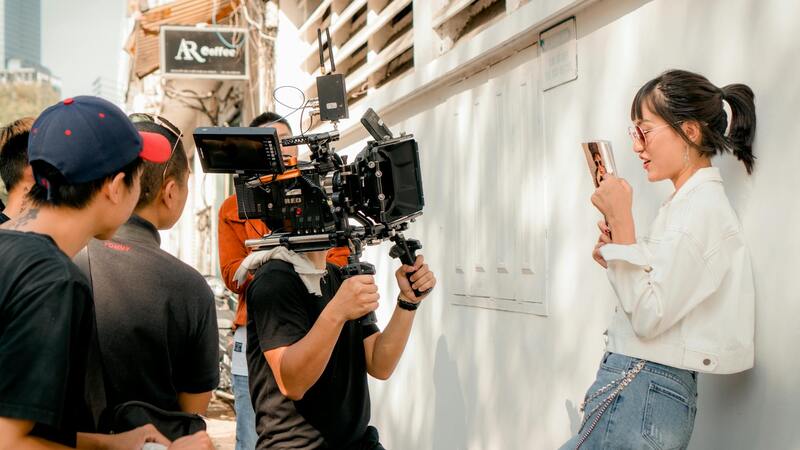
Interview filming serves as a powerful method to convey stories, insights, and expertise across a variety of media platforms. Whether used for documentaries, corporate communications, news coverage, or promotional content, effectively capturing interview footage requires a clear understanding of its primary objectives. The goal is to produce authentic, engaging, and informative content that resonates with viewers. This process involves more than just pointing a camera; it demands strategic planning, technical proficiency, and a keen sense of storytelling.
At its core, interview filming aims to extract meaningful narratives from subjects, presenting their perspectives in a way that enhances the overall message. Authenticity is fundamental, as viewers can quickly gauge sincerity and credibility. To achieve this, the focus must be on creating a comfortable environment for the interviewee and employing techniques that encourage natural responses. High-quality footage not only captures the words spoken but also the subtle emotions, gestures, and nuances that add depth to the story.
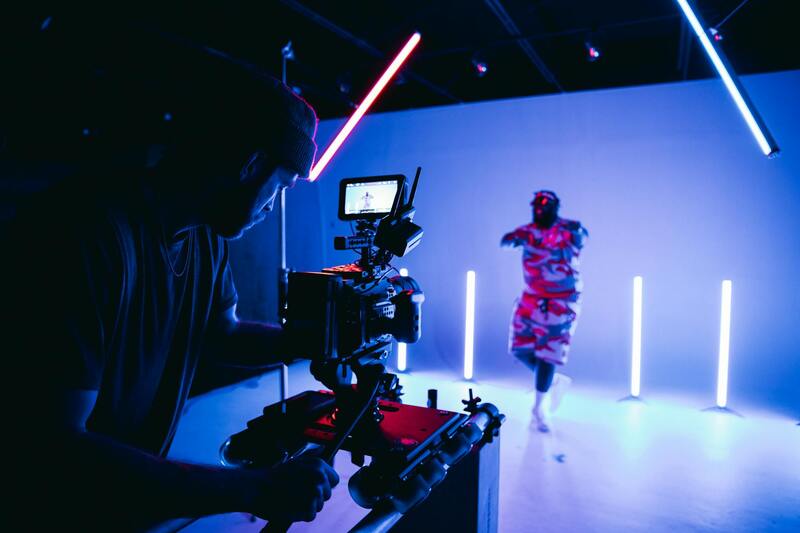
Another key objective is versatility. Interview footage often serves multiple purposes, from supporting a larger narrative to standalone content for social media or promotional campaigns. This versatility demands careful shot composition, clear audio, and attention to lighting, ensuring that the interview can be seamlessly integrated into various formats.
Ultimately, successful interview filming enhances the credibility of the subject and the overall production. It involves capturing not just the spoken words but the tone, emotion, and context that elevate the content from mere dialogue to compelling storytelling. The approach taken during filming significantly influences the audience's perception and engagement, making it essential to understand and align with the intended message from the outset.
Choosing the Right Equipment for Interview Filming
Securing the appropriate equipment is a critical step in producing high-quality interview footage. The selection of tools directly influences the clarity, professionalism, and overall impact of the final content. Essential equipment includes high-resolution cameras capable of capturing detailed visuals, adjustable tripods to maintain stability, and professional microphones such as lapel or shotgun mics to ensure crisp audio. Each piece of equipment should be chosen based on the interview’s environment, duration, and the desired production value.
Lighting plays a significant role in setting the tone and highlighting the subject effectively. While natural light is often preferred for its softness and authenticity, artificial lighting setups like softboxes or LED panels are indispensable in controlled environments. These lights should be adjustable and positioned to eliminate shadows, emphasizing facial expressions and subtle gestures that contribute to storytelling.
Audio quality can make or break an interview. Investing in a high-quality directional microphone ensures that speech is captured cleanly and free of background noise. Wireless microphones can be advantageous for dynamic interview settings, allowing greater mobility and natural interaction. Additionally, sound recording devices and windshields are useful accessories that further enhance audio fidelity.
For post-production review and editing, it's helpful to record in a format compatible with editing software, typically involving SD cards or external drives. Having backup equipment, such as extra batteries, memory cards, and cables, ensures continuity during the shoot and minimizes disruptions caused by technical issues.
Setting Up the Filming Environment
The environment where the interview is filmed directly impacts the quality and mood of the footage. A controlled setting with minimal ambient noise and distractions fosters concentration and authenticity. Proper room selection involves considering acoustics, background clutter, and lighting conditions to create an optimal visual and auditory experience.
Creating a professional backdrop that complements the interview’s theme or branding enhances visual consistency and viewer engagement. Whether using a plain backdrop, branded banners, or relevant props, the setting should be tidy and free of visual noise that could detract from the subject.
Acoustic treatments such as foam panels or heavy curtains can help absorb echo and reduce background noise, resulting in clearer audio. Proper lighting setup in the environment ensures the subject is well illuminated, avoiding harsh shadows or overexposure. These factors collectively contribute to a professional appearance that aligns with the intended message and audience expectations.
Interviewing Techniques and On-Camera Direction
Effective interviewing hinges on the ability to foster a relaxed atmosphere that encourages candid responses. On-camera direction involves guiding subjects through their answers without leading or influencing their statements, maintaining authenticity. This balance requires subtle cues and active listening skills, ensuring the subject feels comfortable and confident.
Questions should be open-ended, prompting elaborate responses that reveal insights and emotions. The interviewer’s demeanor—calm, attentive, and respectful—sets the tone for a productive conversation. Maintaining eye contact and natural gestures helps establish rapport and keeps the subject engaged.
Throughout filming, it’s essential to observe framing, composition, and focus. Using techniques such as the rule of thirds and varying shot angles, including close-ups and medium shots, adds visual interest and flexibility in editing. Encouraging the interviewee to speak directly to the camera can foster a sense of connection with the audience, provided it feels natural and appropriate for the content.
Post-Production Editing for Interview Content
Once filming concludes, the editing process refines raw footage into a compelling narrative. Color correction and audio mixing enhance visual consistency and clarity, ensuring that the final product appears polished. Cutting unnecessary or repetitive segments keeps the content engaging and concise.
Adding overlays, lower thirds, or captions can provide context and reinforce key messages. B-Roll footage or relevant visuals integrated seamlessly into the interview can amplify storytelling, clarify points, and maintain viewer interest. Ensuring the pacing aligns with the emotional tone enhances the overall impact.
In the digital age, exporting footage in various formats tailored for different platforms maximizes reach and effectiveness. Proper compression settings prevent quality loss while facilitating smooth playback across devices and media outlets.
Choosing the Right Equipment for Interview Filming
Securing the appropriate equipment is a fundamental aspect of successful interview filming, especially in the vibrant and diverse environment of Miami. High-quality visuals and clear audio are non-negotiable for creating engaging content that resonates with viewers. Selecting the right gear involves understanding the specific demands of your shoot and ensuring compatibility with the conditions under which you will be filming.
Core Camera Equipment
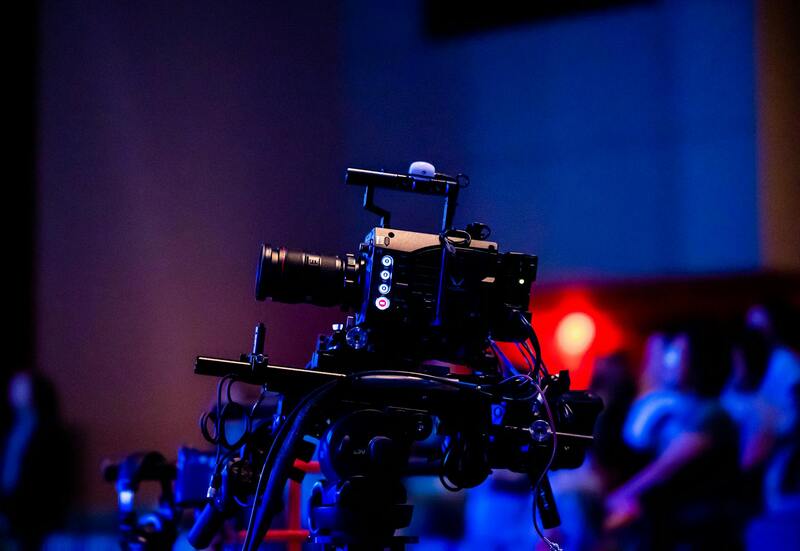
- Cinema Cameras or Professional DSLRs: These provide excellent image quality, flexibility in settings, and support for various lenses that can adapt to different framing and perspective needs.
- Tripods and Stabilizers: Steady shots are crucial for maintaining a professional appearance, making tripod stability essential. For dynamic shots, gimbals or shoulder rigs can help achieve smooth camera movements.
- Additional Lenses: A versatile zoom lens or prime lenses (such as 50mm or 85mm) allow for varied framing, including close-ups and wide shots, enhancing visual storytelling.
Lighting Equipment
Proper lighting enhances facial features and sets the mood of the interview. For Miami’s outdoor shoots, reflectors and diffusers can control harsh sunlight, whereas indoor settings benefit from softbox lights and LED panels for consistent illumination.
Audio Gear
Clear audio delivery is vital since poor sound quality distracts viewers and diminishes credibility. Lavalier microphones, shotgun mics, and portable audio recorders are standard tools used to capture crisp, noise-free sound in various environments.
- Lavalier Microphones: Small, clip-on mics that capture speech naturally without encumbersome equipment, suitable for close-up interviews.
- Shotgun Microphones: Directional mics that isolate audio from the interviewee while minimizing background noise, ideal for outdoor filming or noisy settings.
- Audio Recorders: Independent recorders ensure high fidelity audio recording, offering an extra layer of quality control during editing.
Additional Considerations
Given Miami’s diverse filming landscape, equipment that is lightweight and portable improves mobility, especially for on-location interviews. Weather-resistant gear or protective cases are recommended for outdoor shoots to safeguard against the elements. Investing in reliable batteries, extra memory cards, and comprehensive backup solutions is also a prudent step to prevent interruptions during filming.
Setting Up the Filming Environment
Achieving a professional appearance for interview footage begins with the environment. Selecting an appropriate location is essential to convey the desired tone and maintain viewer engagement. An ideal setting should be free from unnecessary distractions, clutter, or background activity that can divert attention from the subject. For indoor shoots, a dedicated studio space with controlled lighting and soundproofing creates a clean, consistent backdrop that enhances visual quality and audio clarity. For outdoor interviews, choosing locations with minimal ambient noise, such as parks or secluded areas, ensures that crucial audio elements are captured accurately without interference from traffic, crowds, or natural sounds.
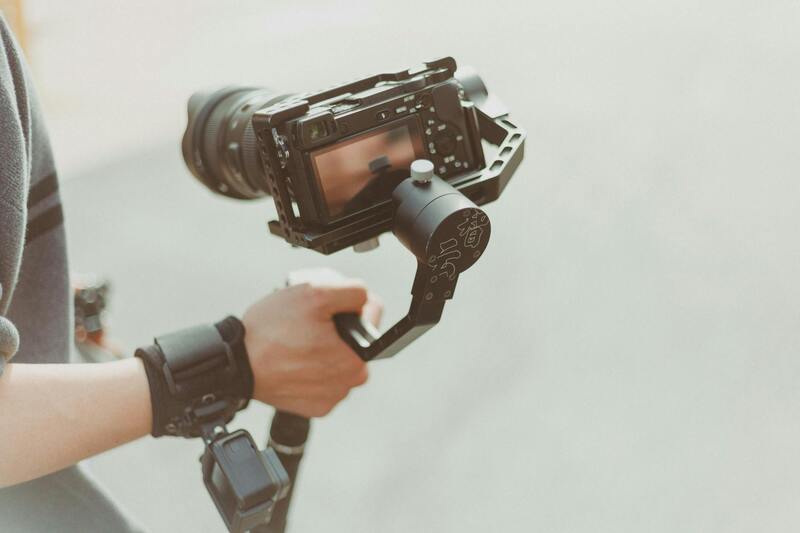
Lighting management plays a significant role in setting the mood and highlighting the subject effectively. When conducting interviews in controlled environments, utilize softboxes, LED panels, or reflectors to evenly illuminate the interviewee's face, preventing harsh shadows and ensuring consistent quality throughout the session. For outdoor shoots, diffusers and reflectors help mitigate sunlight, preventing overexposure or uneven lighting. Adjusting lighting angles and intensity based on the environment ensures a natural and polished look.
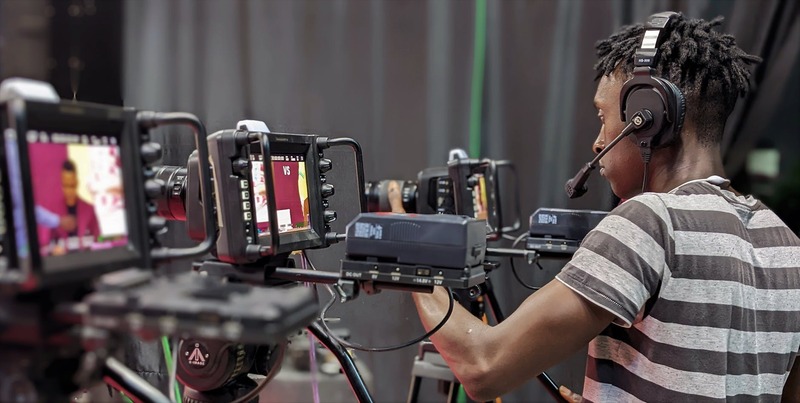
Control over sound is equally critical. Implementing sound treatments such as windscreens on microphones and positioning microphones strategically reduces environmental noise. Employing directional microphones, like shotgun mics, minimizes background interference, capturing clearer dialogue. When recording in noisy or unpredictable environments, portable audio recorders with built-in microphones or external mics can be synced with video footage during editing to maintain audio integrity. If multiple microphones are used, ensure proper placement to capture natural speech while avoiding audio bleed from other sources.
Background noise should be managed through a combination of environmental control and technical equipment. Choosing locations away from high-traffic areas, using sound-absorbing materials or portable screens, and scheduling shoots during quieter times help create an optimal auditory environment. The ultimate goal is to achieve a distraction-free visual and audio experience, emphasizing the interviewee's message effectively.
Setting Up the Filming Environment
Establishing an ideal filming environment is crucial for capturing high-quality interview footage that engages viewers and conveys professionalism. The environment directly impacts both visual clarity and audio integrity, making meticulous setup essential for successful interview recordings.
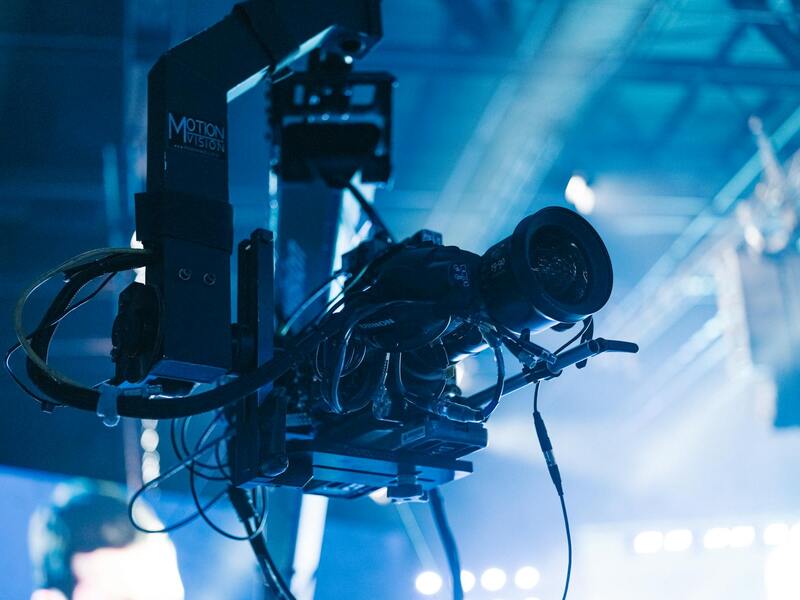
Lighting Equipment Selection and Arrangement
Proper lighting is fundamental to achieving well-balanced visuals. Use key lights to illuminate the interviewee’s face evenly, avoiding harsh shadows that can distract viewers. Softbox lights or LED panels with adjustable brightness and color temperature facilitate this process. Fill lights help reduce shadow contrast, providing a natural look. For outdoor sessions, portable diffusers and reflectors soften harsh sunlight, improving overall image quality. Positioning lights at appropriate angles ensures the subject is lit uniformly, which enhances facial expressions and makes the footage more engaging.
Controlling Background and Setting
The backdrop should complement the interview’s purpose without detracting from the subject. A clutter-free background with subtle textures or branded elements can help maintain viewer focus. For added depth, incorporate elements like plants, furniture, or decorative props that fit the theme. When filming in indoor settings, controlling ambient light through blackout curtains or flags prevents unwanted illumination variations. Outdoors, choose locations with minimal visual distractions and natural shading to achieve a consistent look.
Audio Environment Optimization
High-quality audio is essential for capturing clear dialogue that conveys the interview's message effectively. Use directional microphones, such as shotgun mics, to focus on the interviewee’s voice while minimizing environmental noise. Windscreens are vital outdoors to prevent wind interference from distorting sound. Employ portable audio recorders or specialized microphones positioned close to the speaker to maximize clarity. Managing the environment involves selecting quiet locations, scheduling shoots during less busy times, and using portable sound-absorbing materials or screens to dampen echo and background noise. Proper microphone placement—typically just above or below the subject’s mouth—is key to capturing authentic voice recordings.
Managing Shadows and Reflections
Shadows and reflections can undermine professional quality if not handled properly. Use flags, barn doors, or blackout fabrics to block unnecessary light spill. Reflectors bounced strategically can fill in shadows subtly, ensuring balanced lighting across the subject’s face. Attention to these details enhances the visual aesthetic and keeps the focus on the interviewee, reinforcing the overall message.
Technical Equipment and Environmental Checks
Prior to filming, conduct environment scans to anticipate potential interference or lighting issues. Verify the functionality of all filming equipment, including cameras, microphones, and lighting setups. Run test recordings to check for sound clarity, proper exposure, and focus accuracy. Adjust settings as needed to suit environmental conditions, ensuring footage remains consistent and polished throughout the session. These preparatory steps minimize technical disruptions and streamline the filming process.
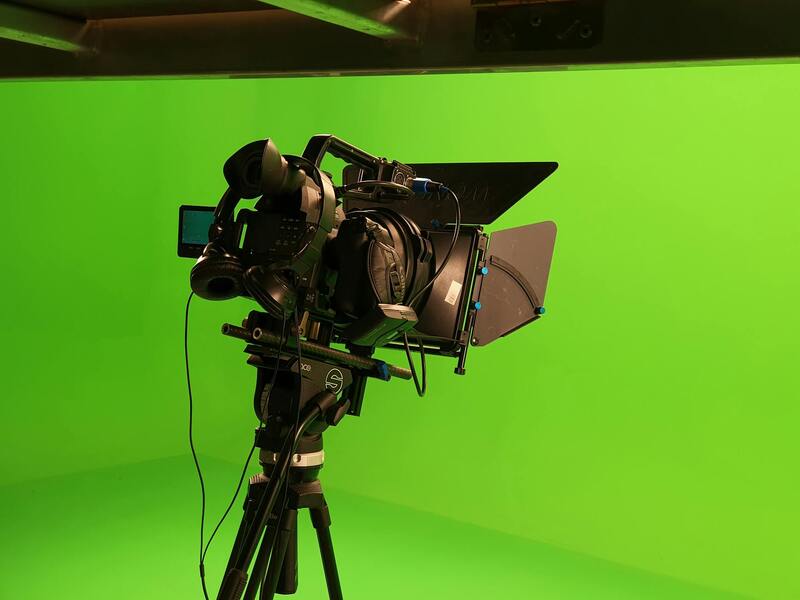
Implementing Authorized Methods for Filming Interviews
Securing appropriate permissions is a fundamental step in legitimate interview filming. This involves obtaining clear consent from all participants involved, ensuring they are fully aware of how the interview footage will be used. Written agreements or signed release forms are standard practice to document agreement, providing a record of consent that clarifies rights and responsibilities for all parties. These documents specify the scope of use, distribution channels, and any limitations on the footage, establishing a transparent process from the outset.
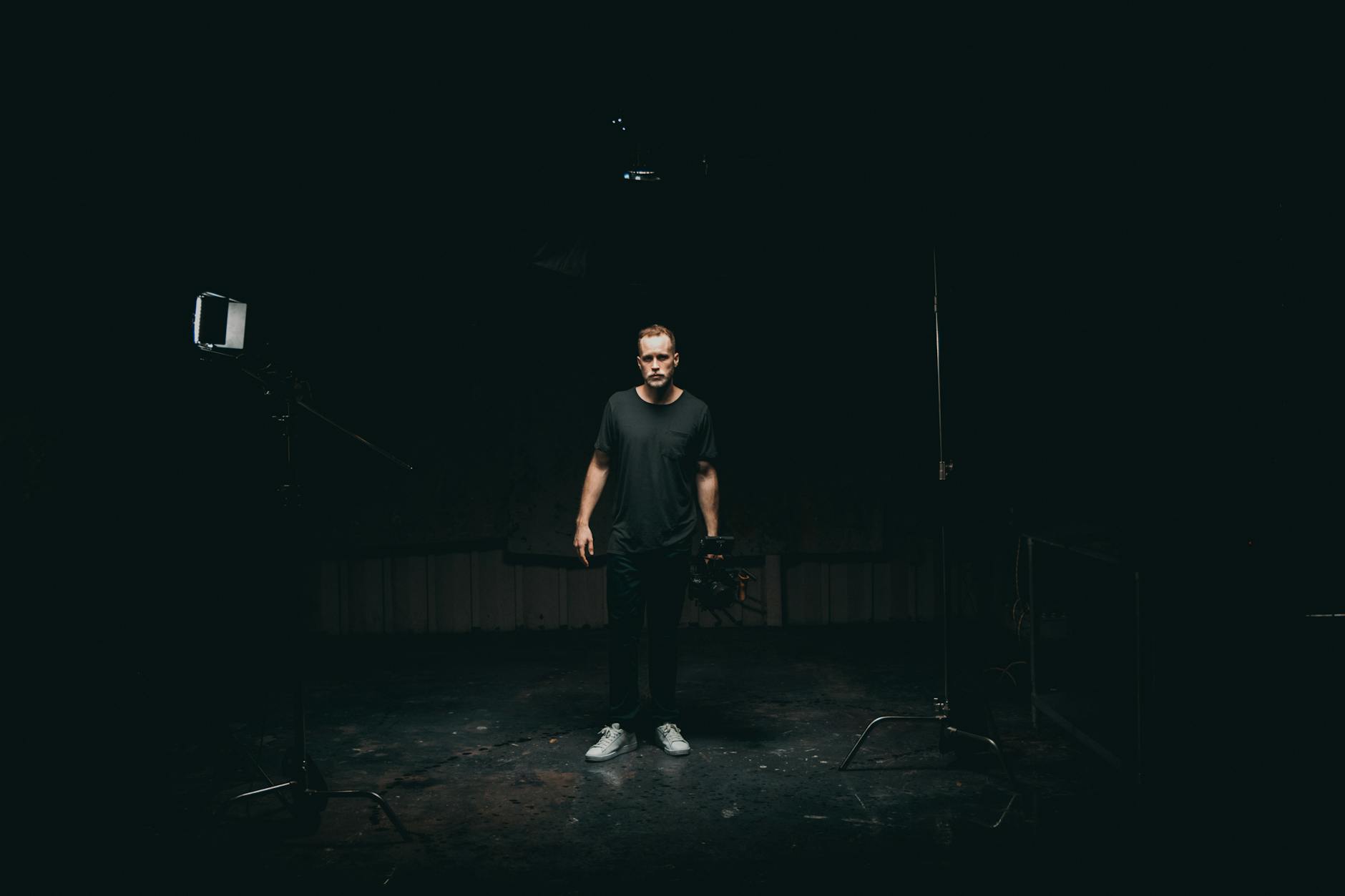
Engaging with the interviewee beforehand is essential for aligning expectations and clarifying the intent behind the filming. This dialogue also helps identify any sensitive topics or restrictions they might have, fostering trust and cooperation. When dealing with organizations, securing official permission from relevant departments—such as PR or legal teams—is equally essential to ensure that all regulatory standards are met. Having documented approval minimizes the risk of disputes and ensures that the interview process adheres to established guidelines.
Utilizing Certified Locations for Filming
Choosing authorized venues or private spaces for conducting interviews guarantees a controlled environment that complies with safety and operational standards. This might include booking studio facilities, conference rooms with proper permissions, or locations listed on approved filming directories. Using recognized locations not only simplifies compliance but also provides a professional setting conducive to the interview’s tone and content.
Additionally, obtaining access permits or location releases from property owners or management ensures legal compliance and smooth operations during the shoot. These measures protect both the filmmaker and the interviewee, establishing a foundation for a trouble-free filming experience. When coupled with thorough planning and documentation, such methods uphold the integrity of the production process and promote best practices in content creation.
Adhering to Ethical Standard Protocols
Maintaining integrity during interview filming involves respecting the rights and dignity of interviewees. This is achieved by being transparent about the purpose of the interview, how the footage will be used, and respecting any confidentiality requirements expressed by participants. Ethical standards also include refraining from manipulating content in a way that distorts the interviewee's true intentions or viewpoints.
- Providing clear information about the scope of the interview
- Respecting participant privacy and comfort levels
- Ensuring truthful representation of the content
Implementing these practices inspires trust and aligns with professional standards, fostering a respectful environment that benefits all parties involved. Such adherence not only strengthens the credibility of the final product but also reflects a commitment to responsible content creation, which is critical for sustaining long-term relationships with clients and audiences.
Legal and Ethical Considerations in Interview Filming
When engaging in interview filming, it is essential to understand the key procedures for managing interviews in accordance with established protocols that respect individual rights and organizational policies. First, securing comprehensive consent is a fundamental step; this involves providing the interviewee with detailed information about the scope and purpose of the video project, ensuring they are fully aware of how their likeness, voice, and statements will be used. This consent is typically documented through signed release forms, which serve to clarify permissions and prevent misunderstandings.
In addition, rights management plays a crucial role in safeguarding the interests of all parties involved. Properly documenting the licensing of footage and the rights for distribution ensures that content is used in alignment with agreements made at the outset. It’s important that all footage adheres to the outlined usage rights, avoiding unauthorized duplication or modification that could infringe upon the rights of participants or the production company.
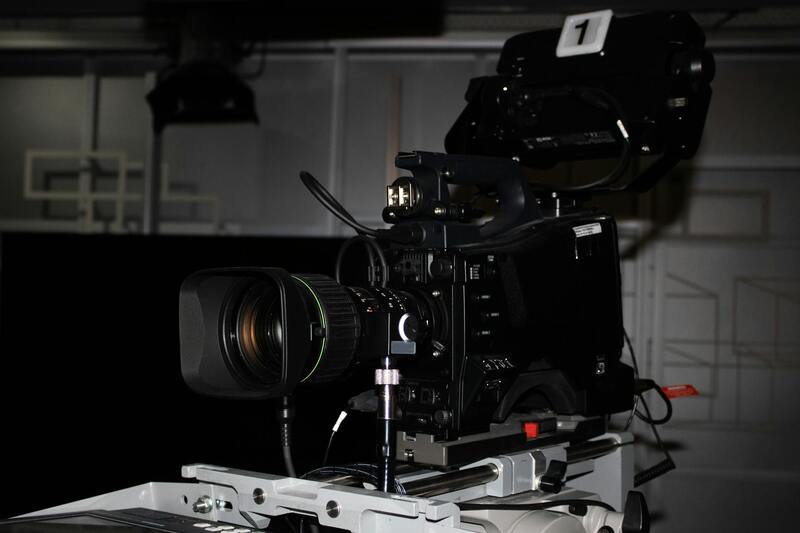
Ethical practices during interview filming extend beyond legal compliance; they foster a respectful, transparent environment that promotes trust and cooperation. Maintaining confidentiality agreements when necessary, especially in sensitive subjects, helps protect participants' privacy and personal data. Clear communication about the interview’s intent and how the footage will be utilized reassures participants and reduces potential concerns about misrepresentation.
Furthermore, ethical standards require that filmmakers avoid manipulating content in a way that alters the interviewee’s viewpoints or presents misleading information. Authentic representation is paramount for maintaining credibility, especially when the content aims to inform or influence public perception. This responsibility underscores the importance of integrity in editing, captioning, and overall content presentation, ensuring that the final product genuinely reflects the interviewees’ perspectives.
Monitoring and Documentation
It is also advisable to keep thorough documentation throughout the filming process. This includes recording consent, noting any specific restrictions or conditions set by participants, and maintaining detailed logs of footage and associated permissions. Such practices streamline the editing process and serve as valuable records should questions arise related to content rights or usage.
Training and Awareness
Equip your production team with training focused on legal and ethical standards. Understanding the nuances of consent and rights management helps prevent inadvertent violations and enhances the professionalism of the project. Regular reviews of policies and procedures ensure that all team members stay aligned with best practices, ultimately contributing to the creation of high-quality, respectful interview content.
Ensuring Proper Methods for Filming and Distributing Interview Content
The process of filming interviews involves a series of deliberate steps that support the integrity and quality of the final product. Once filming is complete, the focus shifts toward distributing the footage responsibly and effectively, ensuring it reaches the intended audience while maintaining the respectful and accurate representation of interview subjects.
Official Channels for Distributing Interview Footage
Reliable methods for sharing interview content prioritize platforms that uphold standards for content integrity and audience engagement. These include:
- Company Websites and Official Channels: Embedding videos on a dedicated section of the organization’s website allows controlled access and brand consistency.
- Educational Platforms: Using institutional platforms to share interviews related to training, research, or informational purposes ensures that content reaches relevant audiences authentically.
- Reputable Video Hosting Services: Uploading videos to secure, well-known platforms such as Vimeo or YouTube can expand reach while providing tools for viewer analytics and control settings.
- Broadcast Media and Industry Conferences: For high-profile or specialized content, collaboration with established media outlets or industry events can provide a broader exposure while respecting content rights.
Best Practices for Safe and Effective Content Distribution
To maximize impact without compromising the integrity or the compliance of interview footage, consider these best practices:
- Obtain Clear Permissions for Intended Use: Confirm that all permissions cover the platforms and the scope of dissemination, whether for digital, broadcast, or print use.
- Maintain Secure Storage and Transmission: Use encrypted storage and secure transfer protocols to prevent unauthorized access or breaches during distribution.
- Utilize Quality Formats and Specifications: Ensure that the footage is encoded in formats compatible with distribution platforms to preserve visual and audio quality.
- Apply Appropriate Metadata: Include descriptive tags, captions, and transcripts to improve discoverability and accessibility of the content.
- Track and Manage Content Usage: Keep detailed records of where and how the footage is distributed, including any licensing agreements or restrictions.
Monitoring Audience Engagement and Feedback
Following distribution, actively monitor how viewers access and interact with the content. Engagement metrics such as view counts, duration, and audience comments can inform future projects and distribution strategies. Responding to viewer feedback and facilitating discussions helps reinforce transparency and accountability, building trust with the audience.