Understanding Testimonial Videography
Testimonial videography has become an essential component of modern marketing strategies, serving as a powerful way for businesses to showcase genuine customer experiences. Unlike traditional advertising that relies heavily on brand messaging and scripted content, testimonial videography emphasizes authentic storytelling through the voices of satisfied clients. These videos capture real reactions, personal stories, and honest feedback, creating a relatable and trustworthy image that resonates with potential customers.
In the context of branding and marketing, testimonial videos build credibility by illustrating how products or services have positively impacted actual users. They serve as visual proof of quality and reliability, fostering a sense of confidence among prospective buyers. As consumers increasingly seek authenticity, the role of testimonial videography has grown, demonstrating a company’s commitment to transparency and customer satisfaction.
Creating compelling testimonial videos requires a strategic approach that balances technical expertise with storytelling finesse. These videos often feature clients sharing their journey, challenges, and the benefits they gained, which helps prospective customers envision similar positive outcomes. When executed professionally, testimonial videography can significantly influence purchasing decisions, improve brand perception, and enhance customer engagement.
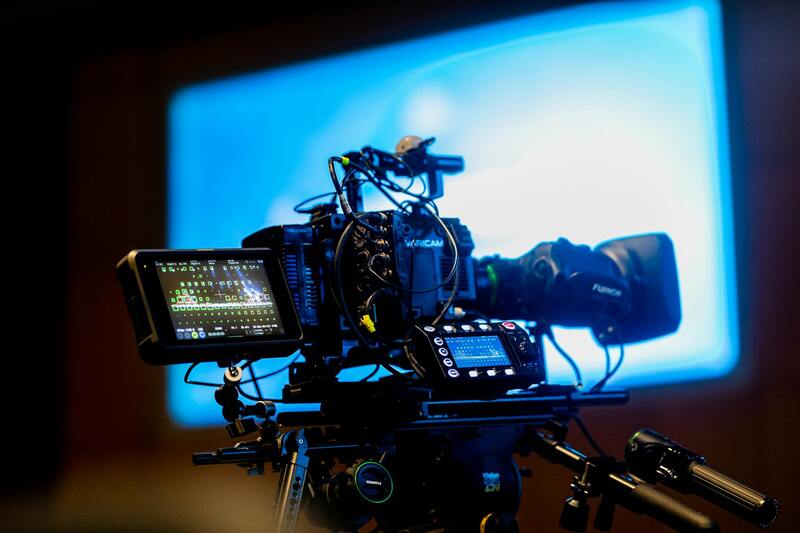
Implementing testimonial videos as part of a comprehensive marketing plan involves careful planning, from identifying the right clients and crafting interview questions to filming with quality equipment that captures clear visuals and sound. As businesses seek authentic content to elevate their online presence, the value of professionally produced testimonial videography continues to grow, making it a vital tool for establishing trust and fostering deeper connections with audiences.
Planning and Pre-Production Processes
Effective testimonial videography begins long before the camera starts rolling. Careful planning and pre-production stages are crucial to ensure the final product aligns with branding goals and effectively communicates authentic customer experiences. This process involves selecting the right clients whose stories are compelling and relevant to the target audience. Identifying key message points helps guide interview questions and overall narrative structure, making sure the testimonial highlights specific benefits and solutions offered by products or services.
Pre-production also encompasses logistical considerations such as scheduling, location scouting, and securing necessary permissions or releases. Establishing a clear creative brief can streamline the process, ensuring everyone involved understands the desired tone, style, and overall objectives. This detailed groundwork minimizes disruptions during filming and enhances the efficiency of the shoot, ultimately leading to a more polished, focused video.
Filming Techniques for Testimonials
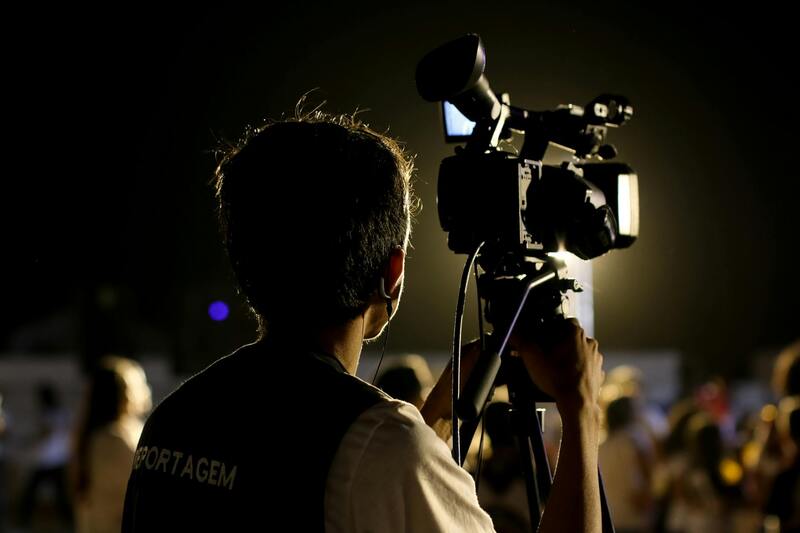
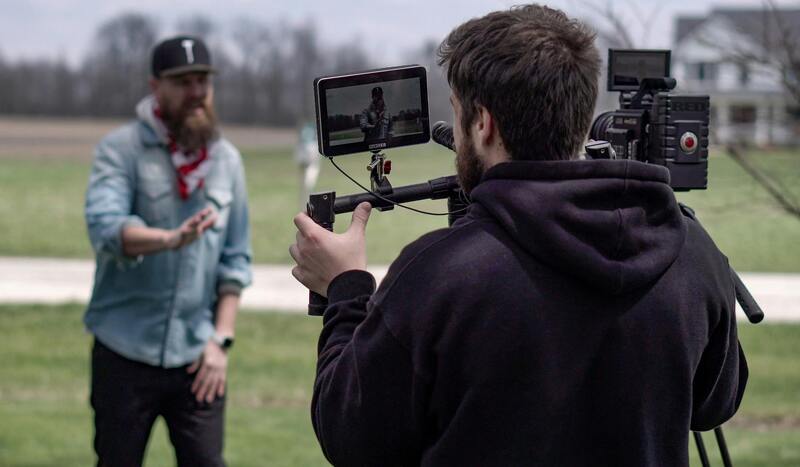
During filming, capturing authentic emotion and compelling visuals is paramount. Utilizing professional-grade equipment ensures high-quality audio and imagery, which reinforces the credibility of the testimonial. Multiple camera angles can add visual interest and allow for dynamic editing, enhancing viewer engagement. Ensuring good lighting conditions, whether by natural light or studio setups, illuminates the client’s expressions clearly and professionally.
Interview techniques also significantly impact the effectiveness of a testimonial. Open-ended questions that prompt clients to share their experiences in detail typically produce more genuine responses. Maintaining a relaxed atmosphere helps interviewees feel comfortable, making their honesty and enthusiasm more apparent on camera. B-roll footage, such as the client interacting with the product or service, provides additional visual context that enriches the story and keeps the audience engaged.
Post-Production and Editing Strategies
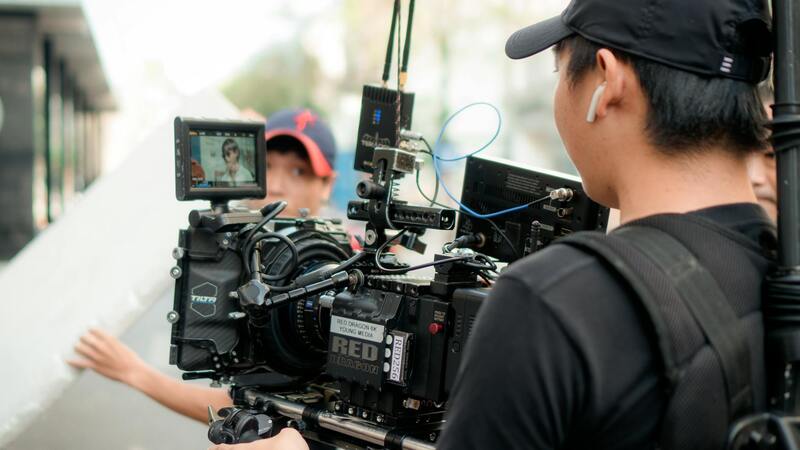
Post-production is where raw footage is transformed into a cohesive, impactful story. Skilled editing emphasizes authentic moments, highlights key messages, and ensures a smooth narrative flow. Color correction and sound mixing further enhance visual and auditory quality, reinforcing professionalism. Incorporating branding elements subtly into the video, such as logos or tagline overlays, helps reinforce brand identity without distracting from the message.
Cutting footage to include the most compelling segments ensures viewers stay engaged while conveying the client's story effectively. Subtitles can also improve accessibility and comprehension, broadening the video's reach. Incorporating music thoughtfully can elicit emotional responses that amplify the testimonial’s impact, but it should never overshadow the client’s voice. A well-executed edit balances technical precision with storytelling finesse, delivering a final product that resonates with potential customers.
Filming Techniques for Testimonials
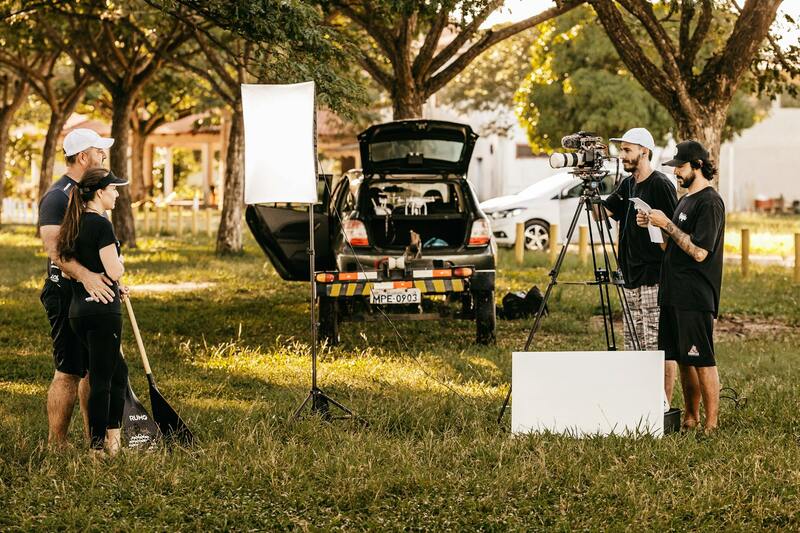
Executing testimonial videography requires a strategic approach to ensure each client story is authentic, engaging, and professionally captured. Proper filming techniques are crucial for creating a compelling narrative that resonates with viewers. The use of stabilized camera equipment, such as gimbals or steadicams, allows for smooth, cinematic shots that avoid distracting shakes and jitters. Employing natural lighting or professionally set up lighting ensures that the subject's face is well-lit, emphasizing genuine emotions and expressions.
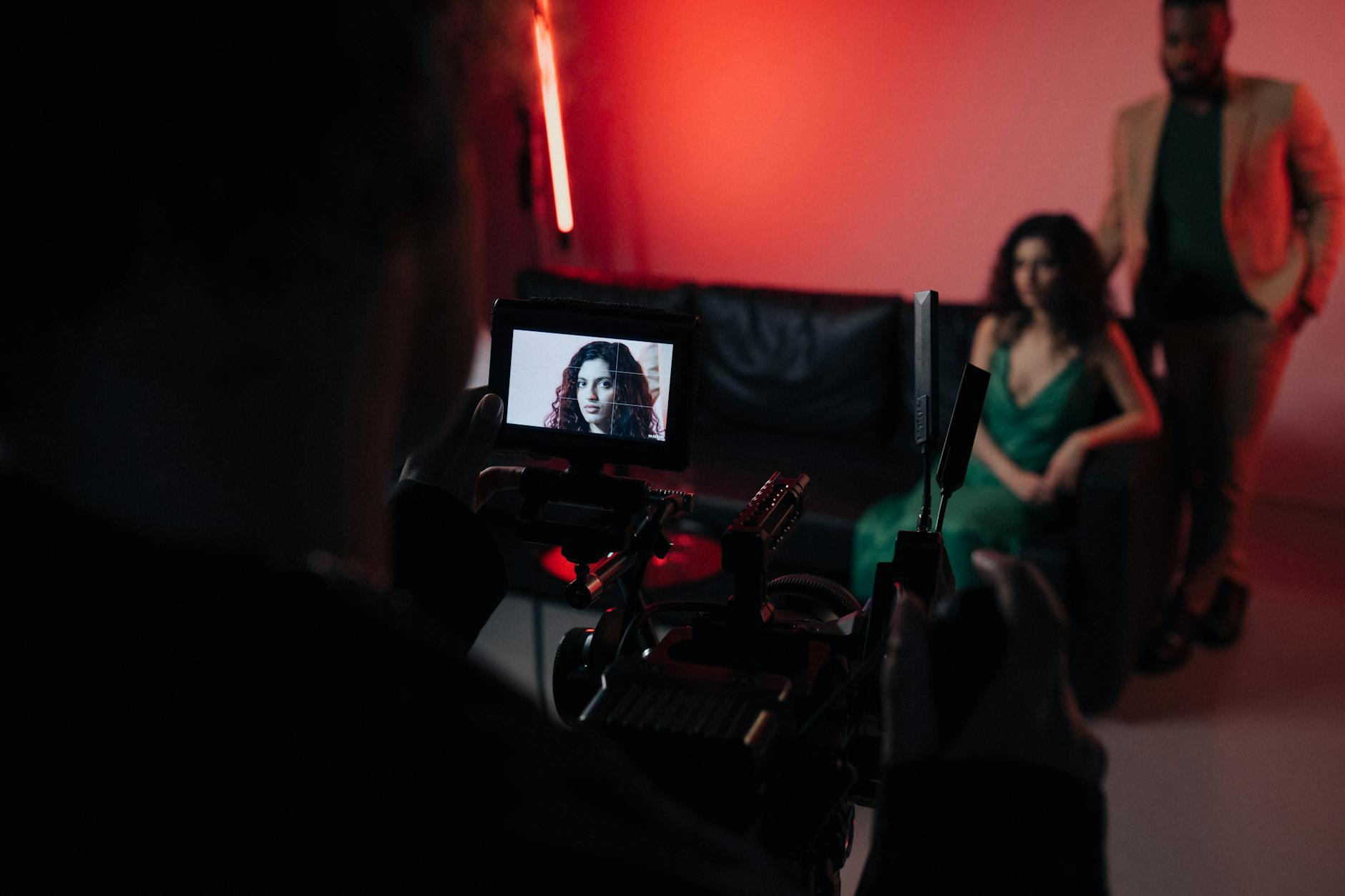
Camera framing plays a pivotal role in testimonial videos. Close-ups can capture subtle facial expressions that convey sincerity and passion, while wider shots can contextualize the environment, making the story more relatable. Effective shot composition involves attentive use of the rule of thirds, emphasizing the client and key visual elements alike. When appropriate, dynamic camera movements, such as slow panning or slight tilts, can add subtle visual interest, but should never distract from the speaker’s message.
Interview setup is critical for eliciting authentic responses. To promote comfortable storytelling, filmmakers often position the client at eye level, maintaining an approachable distance that fosters openness. Multiple takes of key segments allow for flexibility during editing, ensuring the best expressions and gestures are preserved. Clear audio capture is equally critical; lavalier microphones or boom mics should be used to minimize background noise and record crisp dialogue.
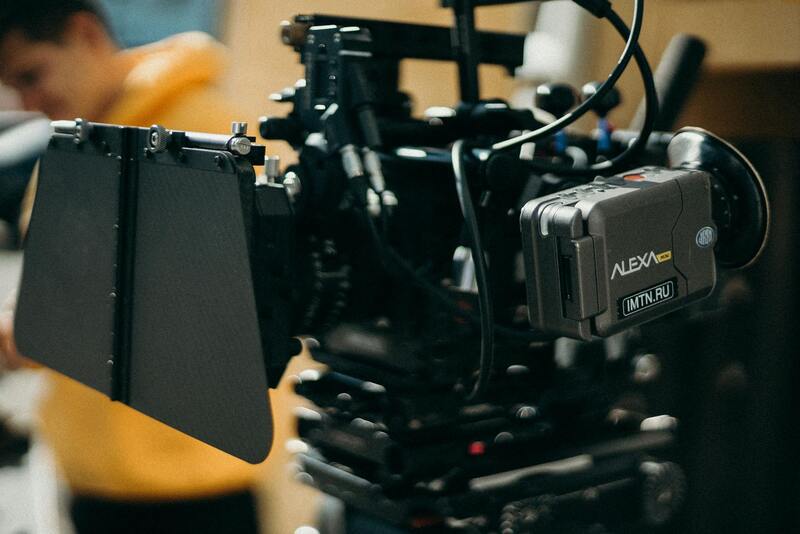
In addition to technical considerations, fostering a conversational atmosphere during filming encourages clients to share genuine insights. Asking open-ended questions and allowing moments of silence can elicit more heartfelt responses. Ultimately, the combination of precise technical execution and empathetic interviewing techniques results in testimonial videos that are both authentic and visually captivating.
Understanding Testimonial Videography
Testimonial videography serves as a vital conduit for authentic storytelling, allowing clients to express their experiences and satisfaction with a product or service. This genre of video aims to connect prospective customers with real individuals whose genuine accounts can influence purchasing decisions. The success of testimonial videos hinges on capturing sincere emotions and truthful narratives that resonate with viewers, thereby building trust and credibility.
In creating impactful testimonial videos, understanding the nuances of real storytelling is essential. Production teams must focus on crafting environments that promote openness, selecting interview settings that are comfortable and free from distractions. Authenticity is accentuated when clients are encouraged to speak naturally without overly scripted responses, which can undermine the sincerity of the message. Video shoots should facilitate relaxed dialogue, enabling clients to share their stories with ease.
Effective testimonial videography also emphasizes visual storytelling techniques, such as close-ups that showcase facial expressions and body language, which can reinforce emotional impact. Simultaneously, maintaining balanced framing and good composition ensures that the viewer's attention remains on the client's narrative. This blend of technical proficiency and empathetic interviewing fosters a compelling narrative that highlights the genuine experiences of clients.
Filming Techniques for Testimonials
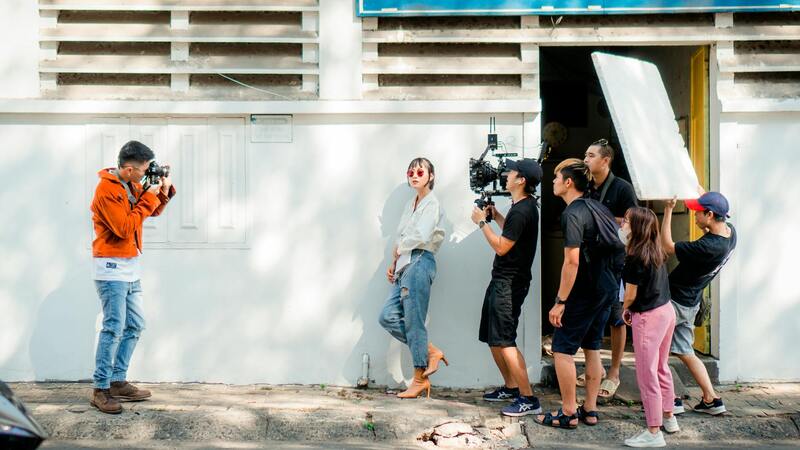
Executing high-quality testimonial videos involves a strategic application of filming techniques that emphasize authenticity and engagement. Technical proficiency in lighting, sound, and camera work enhances the credibility and emotional impact of each testimonial. Proper lighting setups ensure that the subject's face is well-lit, highlighting facial expressions that convey genuine emotion. Soft, diffused lighting minimizes shadows and provides a flattering appearance, which is essential for capturing sincere testimonials.
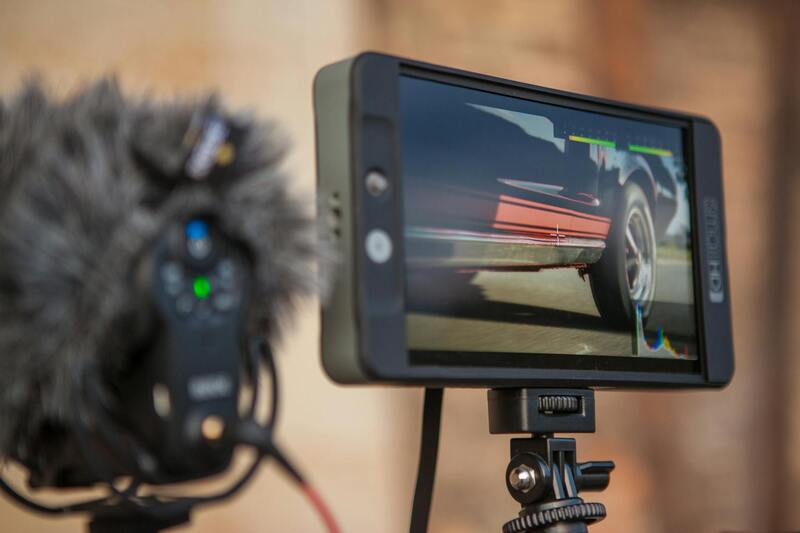
Sound clarity is equally vital. Utilizing high-quality microphones, such as lavalier or shotgun mics, captures clear audio that remains free of background noise and distractions. Good audio quality ensures that the client's spoken words are intelligible and emotionally resonant, reinforcing viewer trust.
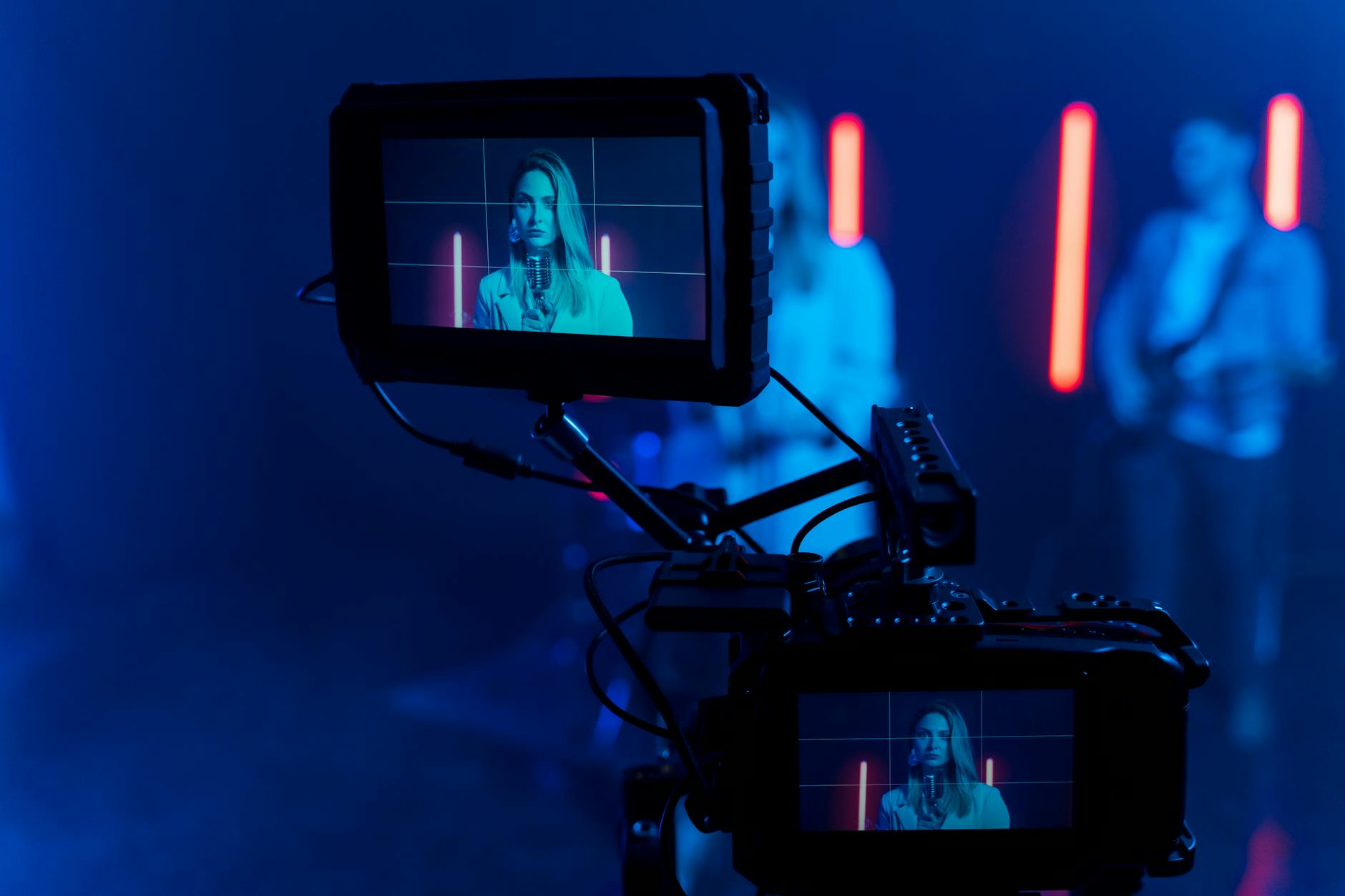
Camera angles and framing profoundly influence the storytelling quality. Typically, a mix of medium shots and close-ups works best. Medium shots establish the context, showing the client's body language, while close-ups highlight facial expressions, allowing viewers to connect emotionally. Employing a shallow depth of field can focus attention on the client by blurring background distractions, making their story the focal point.
Throughout filming, capturing natural, candid moments enhances authenticity. Encouraging clients to speak freely and in a relaxed environment helps them share their genuine experiences. Using multiple takes and different angles provides versatile footage during editing, enabling a more dynamic and engaging final product.
Directorial cues, such as maintaining eye contact and offering gentle prompts, help elicit heartfelt responses. Properly balancing technical execution with empathetic interviewing results in testimonial videos that feel relatable and sincere, ultimately boosting their persuasive power.
Supplementary visual storytelling elements—like b-roll footage of the client at work or interacting with the product or service—add depth and context. When combined with compelling interviews, these visuals enhance the overall narrative, making the testimonial more immersive and memorable.
Understanding Testimonial Videography
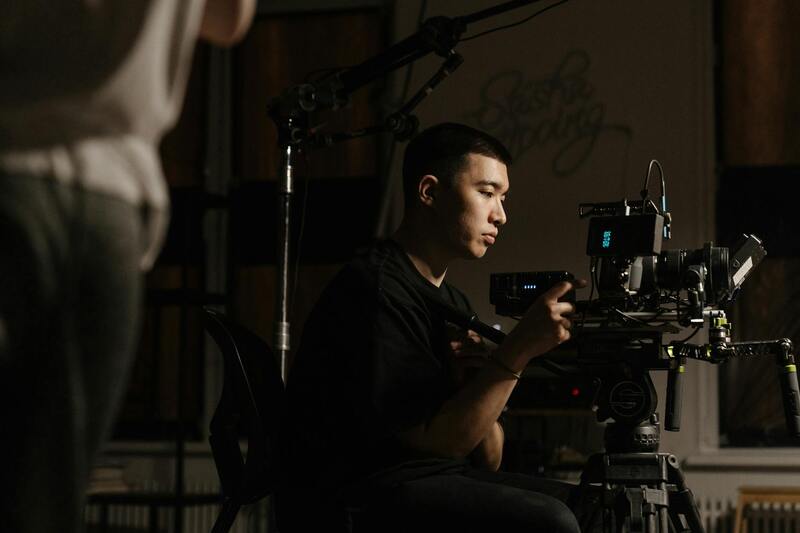
Testimonial videography is a specialized craft that combines storytelling, technical filming skills, and strategic distribution to showcase authentic client experiences. When executed correctly, testimonial videos serve as powerful tools for building trust, illustrating the value of a product or service, and influencing potential clients' decision-making processes. At its core, testimonial videography involves capturing genuine client stories in a manner that resonates emotionally with viewers while maintaining a polished and professional appearance.
Effective testimonial videos typically feature real clients sharing their experiences candidly, often focused on specific outcomes or benefits received. The visual and auditory quality of these recordings significantly impacts their persuasive efficacy, making careful planning and execution essential. When audiences see relatable, authentic stories presented through high-quality visuals, they are more likely to develop trust in the brand or business behind the testimonial.
Moreover, testimonial videography involves a thoughtful approach to content structure, ensuring each story aligns with the overarching marketing message. This means scripting minimal prompts to preserve natural speech, selecting appropriate interview settings that reflect sincerity, and integrating supplementary visual elements to enrich the narrative. The purpose is to create a compelling, believable story that emphasizes authenticity and trustworthiness.
In the digital marketing landscape, testimonial videos are versatile assets. They can be embedded on websites, shared across social media platforms, integrated into email campaigns, or used during live events. High-quality testimonials elevate brand perception, demonstrating real-world results achieved by satisfied clients, and thereby helping to differentiate your offerings from competitors.
Successfully producing testimonial videos requires a combination of strategic planning, technical expertise, and authentic engagement with clients. A well-crafted testimonial seamlessly balances storytelling elements with technical quality, fostering emotional connection and channeling it into tangible business growth.
Key Elements of Effective Testimonial Videos
Successful testimonial videos incorporate several core components that ensure they resonate with viewers:
- Authenticity: Genuine client stories are the foundation. Viewers can recognize sincerity, which enhances credibility.
- Relatability: Testimonials should mirror the target audience's experiences and concerns, fostering emotional connection. li> Storytelling Structure: Clear narrative arcs that include the problem, solution, and results make testimonials compelling and memorable.
- Technical Clarity: High-quality audio-visual elements are essential for professional presentation and viewer engagement.
- Emotional Appeal: Sharing heartfelt experiences and emphasizing positive outcomes evoke emotional responses that motivate action.
- Visual Context: Incorporation of relevant B-roll footage and visual cues enhances storytelling and keeps viewers engaged.
Planning and Pre-Production Processes
Thorough planning is crucial within testimonial videography to maximize impact and streamline filming. This begins with selecting suitable clients who have compelling stories aligned with your branding goals. Pre-interview preparation involves crafting open-ended questions that encourage detailed, authentic responses while avoiding scripted dialogue that could sound unnatural.
Location scouting is vital for creating an environment that reflects the client’s experience—whether that’s their workplace, a community space, or a setting relevant to the product or service. Ensuring proper lighting and sound setup is also part of the planning phase to achieve professional results.
Scheduling shoots at optimal times minimizes disruptions and allows clients to feel relaxed. It may involve multiple sessions to capture diverse angles, reactions, and candid moments that add depth to the final product. Having a detailed shot list and interview outline guides the filming process, ensuring all key messages are covered.
Pre-production also involves logistical considerations such as obtaining necessary permissions, preparing equipment, and establishing a clear timeline. This organized approach fosters a comfortable atmosphere for clients, encouraging natural responses that translate into compelling testimonials.
Measuring the Success of Testimonial Videography
Assessing the impact of testimonial videos goes beyond merely viewing counts. To truly gauge their effectiveness, businesses must employ a comprehensive approach that includes multiple metrics and qualitative feedback mechanisms. This ensures that testimonial videography not only garners attention but also drives meaningful engagement and contributes to the company's broader marketing objectives.
One of the primary quantitative methods involves analyzing viewer engagement metrics. These include watch time, click-through rates, and completion rates. A high watch time indicates that viewers find the content relevant and compelling enough to watch through to the end, suggesting strong emotional or informational resonance. Similarly, click-through rates on embedded calls to action (CTAs) reveal how well the testimonial motivates viewers to proceed to subsequent steps, such as visiting a website or making contact.
Conversions are another critical indicator of success. By tracking the number of viewers who take specific actions after watching the testimonial—such as signing up for a service, requesting more information, or making a purchase—businesses can directly correlate video performance with financial or lead-generation outcomes. Implementing tracking mechanisms within digital platforms facilitates this process, providing insight into the direct influence of testimonial content on customer behavior.
Customer feedback is equally essential. Post-view surveys or follow-up interviews can reveal how the testimonial influenced perceptions and decision-making. Positive comments about the authenticity and relatability of the stories shared reinforce the value of testimonial videography as a trust-building tool. Collecting qualitative feedback helps refine future video projects, ensuring they resonate more deeply with target audiences.
Monitoring social media interactions also offers valuable insights. Shares, comments, and sentiment analysis indicate the reach and emotional impact of testimonial videos. High levels of positive engagement suggest that the content effectively communicates the intended message, fostering brand awareness and credibility.
Overall, a balanced approach integrating digital metrics, direct customer feedback, and social media analysis provides a detailed picture of testimonial videography success. This comprehensive evaluation guides strategic adjustments for future projects, optimizing the return on investment and enhancing the overall brand narrative.
Implementing Ethical and Respectful Practices in Testimonial Videography
Ensuring the integrity of testimonial videography involves adhering to a set of ethical standards that prioritize transparency and respect for participants. When producing testimonial videos, it is crucial to obtain explicit consent from individuals sharing their stories, clearly explaining how their content will be used across various platforms. This not only upholds professional standards but also fosters trust between the client and the testimonial subject.
Respecting the privacy and comfort of participants remains a fundamental consideration throughout the production process. Filmmakers should provide clarity about filming locations, the scope of the content, and the potential impact of sharing personal experiences. Incorporating feedback from subjects during editing helps ensure that their stories are represented accurately and authentically, avoiding misinterpretation or misrepresentation.
Maintaining Authenticity and Originality in Testimonial Content
A crucial aspect of producing impactful testimonial videos is preserving the authenticity of each narrative. This involves capturing genuine expressions, emotions, and stories without undue influence or scripting that could undermine the credibility of the testimonial. Authenticity fosters a stronger emotional connection with viewers, enhancing trust in the message conveyed.
Originality in presentation also plays a vital role. Tailoring each testimonial to reflect the unique voice and personality of the individual adds depth and relatability. This can be achieved through personalized interview questions, candid filming approaches, and authentic editing styles that preserve the spontaneity of the original story.
Adhering to Industry Best Practices for Quality and Compliance
Adopting industry best practices ensures that testimonial videos not only resonate with audiences but also uphold professional standards. This includes meticulous planning for lighting, sound, and framing to produce visually appealing content. Consistent branding, clear messaging, and high-quality visuals collectively reinforce the credibility of the testimonial.
Furthermore, following established guidelines for intellectual property rights, copyright considerations, and content appropriateness safeguards the production from potential issues. Regularly updating skills and knowledge related to current filming technologies and editing techniques enhances the overall quality of the project, ensuring the final product meets industry standards.